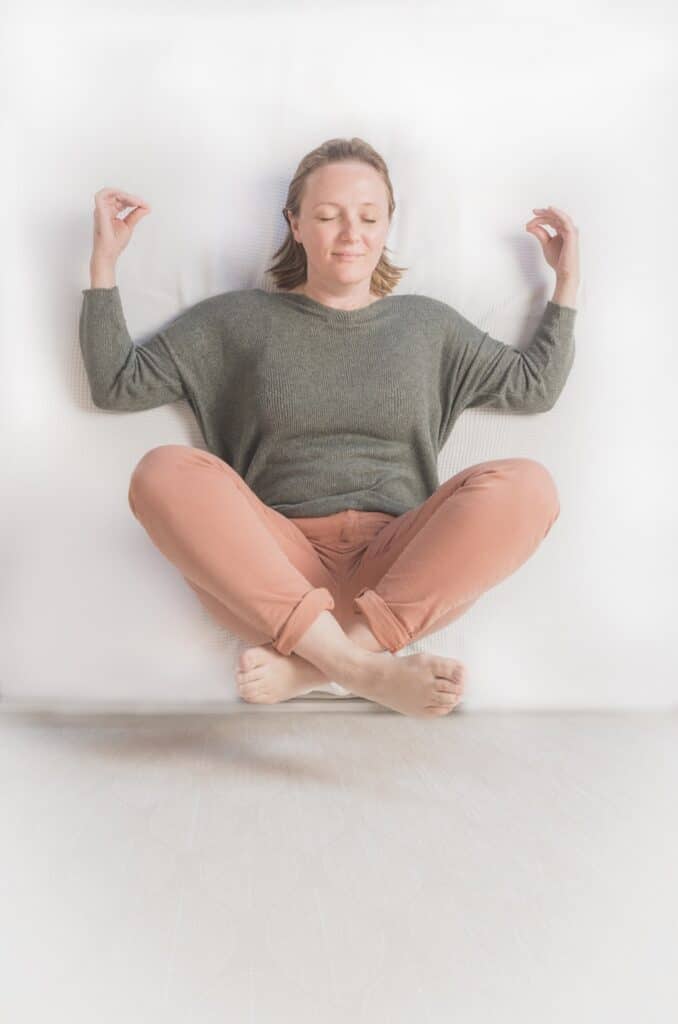
In today’s fast-paced world, anxiety and stress have become common companions for many individuals. While medications like Valium can provide immediate relief, they often come with a host of side effects and the potential for dependency. You may find yourself questioning whether relying on pharmaceuticals is the best long-term solution for managing your anxiety.
This growing awareness has led to an increasing interest in exploring alternatives that can offer relief without the drawbacks associated with traditional medications. As you delve into the realm of anxiety management, it’s essential to recognize that what works for one person may not work for another. The need for Valium alternatives stems from a desire for more holistic approaches that address the root causes of anxiety rather than merely masking symptoms.
By understanding your unique triggers and responses to stress, you can begin to explore various options that align with your lifestyle and personal preferences. This journey toward finding suitable alternatives can empower you to take control of your mental health and well-being.
Key Takeaways
- Valium alternatives are important for those seeking natural and holistic approaches to managing anxiety and stress.
- Natural remedies such as exercise, aromatherapy, and relaxation techniques can help alleviate anxiety and stress.
- Herbal supplements like lavender, chamomile, and passionflower can provide relaxation and calmness without the side effects of prescription medications.
- Mindfulness and meditation practices can promote a sense of calm and reduce the symptoms of anxiety and stress.
- Making lifestyle changes such as improving sleep, reducing caffeine intake, and practicing self-care can significantly reduce anxiety and stress levels.
Natural Remedies for Anxiety and Stress
Natural remedies have gained popularity as effective alternatives to pharmaceutical treatments. You might be surprised to learn that simple lifestyle changes and natural ingredients can significantly impact your anxiety levels. For instance, practices such as deep breathing exercises, yoga, and regular physical activity can help reduce stress hormones in your body.
Engaging in these activities not only promotes relaxation but also fosters a sense of accomplishment and well-being. Another natural remedy worth considering is aromatherapy. Essential oils like lavender, chamomile, and bergamot have been shown to have calming effects on the mind and body.
You can incorporate these scents into your daily routine by using a diffuser, adding them to your bath, or applying them topically (with proper dilution). The soothing properties of these natural fragrances can create a serene environment that helps alleviate feelings of anxiety and stress.
Herbal Supplements for Relaxation

Herbal supplements have long been used in various cultures to promote relaxation and reduce anxiety. You may find that incorporating certain herbs into your routine can provide a gentle yet effective way to manage stress. For example, valerian root is known for its sedative properties and is often used to improve sleep quality.
If you struggle with racing thoughts at night, this herb might be worth exploring as part of your evening ritual. Another popular herbal supplement is ashwagandha, an adaptogen that helps the body adapt to stress. Research suggests that ashwagandha can lower cortisol levels, which are often elevated during periods of anxiety.
By adding this herb to your daily regimen, you may find yourself better equipped to handle stressors as they arise. However, it’s essential to consult with a healthcare professional before starting any new supplement to ensure it aligns with your individual health needs.
Mindfulness and Meditation for Calmness
Mindfulness and meditation practices have gained traction as powerful tools for managing anxiety and promoting overall mental well-being. You might be surprised at how dedicating just a few minutes each day to mindfulness can transform your perspective on stress. By focusing on the present moment and observing your thoughts without judgment, you can cultivate a sense of calm that permeates your daily life.
Meditation techniques vary widely, allowing you to choose one that resonates with you. Whether it’s guided meditation, loving-kindness meditation, or simply focusing on your breath, the key is consistency. As you practice regularly, you may notice a reduction in anxiety levels and an increased ability to cope with stressors.
Over time, these practices can help rewire your brain’s response to anxiety, fostering resilience and emotional stability.
Lifestyle Changes to Promote Relaxation
Making intentional lifestyle changes can significantly impact your ability to manage anxiety and stress effectively. You may want to start by evaluating your daily habits and identifying areas where adjustments could lead to greater relaxation. For instance, prioritizing sleep is crucial; lack of rest can exacerbate feelings of anxiety.
Establishing a consistent sleep schedule and creating a calming bedtime routine can help improve your sleep quality. Additionally, consider incorporating regular physical activity into your routine. Exercise releases endorphins, which are natural mood lifters.
Whether it’s a brisk walk, a dance class, or a yoga session, finding an activity you enjoy can make it easier to stay active. Furthermore, reducing caffeine and sugar intake may also contribute to lower anxiety levels, as these substances can lead to increased heart rate and jitteriness.
Alternative Therapies for Anxiety and Stress

Massage: A Powerful Tool for Anxiety Management
Massage therapy is another excellent way to alleviate stress and promote relaxation. The physical touch involved in massage can help release muscle tension and stimulate the release of endorphins, leading to an overall sense of well-being.
Incorporating Massage into Your Routine
Whether you opt for a professional massage or learn self-massage techniques, incorporating this practice into your routine can be a powerful tool in your anxiety management arsenal.
Nutritional Approaches to Reduce Anxiety
Your diet plays a crucial role in your mental health, and making mindful nutritional choices can help reduce anxiety levels. You may want to focus on incorporating foods rich in omega-3 fatty acids, such as salmon, walnuts, and flaxseeds. These healthy fats have been linked to improved brain function and mood regulation.
By prioritizing these foods in your meals, you can support your mental well-being from the inside out. Additionally, consider the impact of hydration on your anxiety levels. Dehydration can lead to fatigue and irritability, which may exacerbate feelings of stress.
Aim to drink plenty of water throughout the day and consider herbal teas known for their calming properties, such as chamomile or peppermint. By nourishing your body with wholesome foods and staying hydrated, you create a solid foundation for managing anxiety effectively.
Seeking Professional Help for Anxiety and Stress
While exploring various alternatives for managing anxiety is empowering, it’s essential to recognize when professional help is necessary. If you find that your anxiety is overwhelming or persistent despite trying different strategies, seeking guidance from a mental health professional can be a crucial step toward healing. Therapists and counselors are trained to provide support tailored to your unique needs, helping you develop coping strategies that resonate with you.
Therapy options such as cognitive-behavioral therapy (CBT) have proven effective in treating anxiety disorders by addressing negative thought patterns and behaviors. Additionally, some individuals benefit from group therapy settings where they can connect with others facing similar challenges. Remember that seeking help is not a sign of weakness; rather, it demonstrates strength and a commitment to prioritizing your mental health.
In conclusion, while Valium may offer immediate relief from anxiety symptoms, exploring alternatives can lead you toward more sustainable solutions for managing stress in your life. By embracing natural remedies, herbal supplements, mindfulness practices, lifestyle changes, alternative therapies, nutritional approaches, and professional support when needed, you empower yourself on the journey toward greater mental well-being. Each step you take brings you closer to finding the right balance that works for you in navigating the complexities of anxiety and stress.
If you are interested in exploring natural alternatives to Valium for relaxation and calmness, you may also want to consider incorporating nutritional supplements into your routine. Nutrition plays a crucial role in overall health and well-being, and certain supplements can help support relaxation and stress relief. To learn more about the benefits of nutritional supplements, check out this informative article on