Maintaining strong and healthy bones is crucial for overall well-being, as they serve as the framework for your body. Bones not only provide structure but also protect vital organs, anchor muscles, and store essential minerals like calcium and phosphorus. As you age, bone density naturally decreases, making it increasingly important to prioritize bone health.
Weak bones can lead to conditions such as osteoporosis, which significantly increases the risk of fractures and other complications. Understanding the importance of bone health is the first step toward ensuring a robust skeletal system that supports you throughout your life. Moreover, bone health is not just about preventing fractures; it also plays a vital role in your mobility and quality of life.
Healthy bones allow you to engage in daily activities without discomfort or limitations. When your bones are strong, you can enjoy a more active lifestyle, which contributes to better physical fitness and mental well-being. Therefore, investing time and effort into maintaining your bone health is essential for a fulfilling life.
By adopting healthy habits early on, you can set the foundation for strong bones that will serve you well into your later years.
Key Takeaways
- Maintaining bone health is crucial for overall well-being and quality of life
- Fosamax, a common medication for bone health, may have potential risks and side effects
- Natural ways to strengthen bones include regular exercise and a balanced diet rich in calcium and vitamin D
- Dietary changes such as increasing intake of dairy products and leafy greens can support bone health
- Regular weight-bearing and muscle-strengthening exercises are essential for maintaining bone strength
- Calcium, vitamin D, and other supplements can be beneficial for bone health, but should be used under the guidance of a healthcare professional
- Lifestyle changes such as quitting smoking and reducing alcohol consumption can contribute to stronger bones
- Consulting with a healthcare professional is important for personalized guidance and monitoring of bone health.
Risks and Side Effects of Fosamax
Fosamax, a popular medication used to treat osteoporosis, has been a game-changer for many individuals seeking to improve their bone density. However, like any medication, it comes with its own set of risks and side effects that you should be aware of before starting treatment. Common side effects include gastrointestinal issues such as nausea, abdominal pain, and heartburn.
These symptoms can be bothersome and may deter some individuals from continuing their prescribed regimen. It’s essential to weigh these potential side effects against the benefits of improved bone health when considering Fosamax as a treatment option. In addition to gastrointestinal discomfort, there are more serious risks associated with long-term use of Fosamax.
Some studies have linked the medication to atypical femur fractures and osteonecrosis of the jaw, a rare but severe condition that can lead to jawbone deterioration. While these risks are relatively low, they are significant enough to warrant a discussion with your healthcare provider. Understanding the potential side effects will empower you to make informed decisions about your treatment plan and explore alternative options if necessary.
Natural Ways to Strengthen Bones

If you prefer a more holistic approach to bone health, there are numerous natural ways to strengthen your bones without relying solely on medications like Fosamax. One effective method is incorporating weight-bearing exercises into your routine. Activities such as walking, jogging, dancing, or even gardening can stimulate bone formation and increase bone density.
Dietary Changes for Bone Health
Your diet plays a pivotal role in maintaining strong bones, and making specific dietary changes can have a profound impact on your bone health. Calcium is perhaps the most well-known nutrient for bone strength, so it’s essential to include calcium-rich foods in your meals. Dairy products like milk, yogurt, and cheese are excellent sources of calcium, but if you’re lactose intolerant or prefer plant-based options, consider leafy greens like kale and broccoli or fortified foods such as almond milk and tofu.
In addition to calcium, vitamin D is crucial for optimal bone health as it aids in calcium absorption. Fatty fish like salmon and mackerel are rich in vitamin D, as are fortified cereals and egg yolks. You might also want to explore foods high in magnesium and vitamin K, such as nuts, seeds, and whole grains, which contribute to bone strength.
By making conscious dietary choices that prioritize these essential nutrients, you can significantly enhance your bone health and reduce the risk of osteoporosis.
Exercise and Bone Strength
Engaging in regular exercise is one of the most effective ways to promote bone strength and overall health. Weight-bearing exercises are particularly beneficial because they force your bones to work against gravity, stimulating bone formation and increasing density. Activities like running, hiking, or even playing sports can be enjoyable ways to incorporate weight-bearing exercises into your routine.
You may find that setting specific fitness goals or joining a local sports team can keep you motivated while reaping the benefits for your bones. In addition to weight-bearing exercises, resistance training is another excellent way to strengthen your bones. Lifting weights or using resistance bands can help build muscle mass, which in turn supports your skeletal system.
Strong muscles provide better support for your bones and reduce the risk of falls and fractures. Aim for at least 30 minutes of moderate exercise most days of the week to maximize the benefits for your bone health. By making exercise a priority in your life, you not only enhance your bone strength but also improve your overall physical fitness.
Supplements for Bone Health
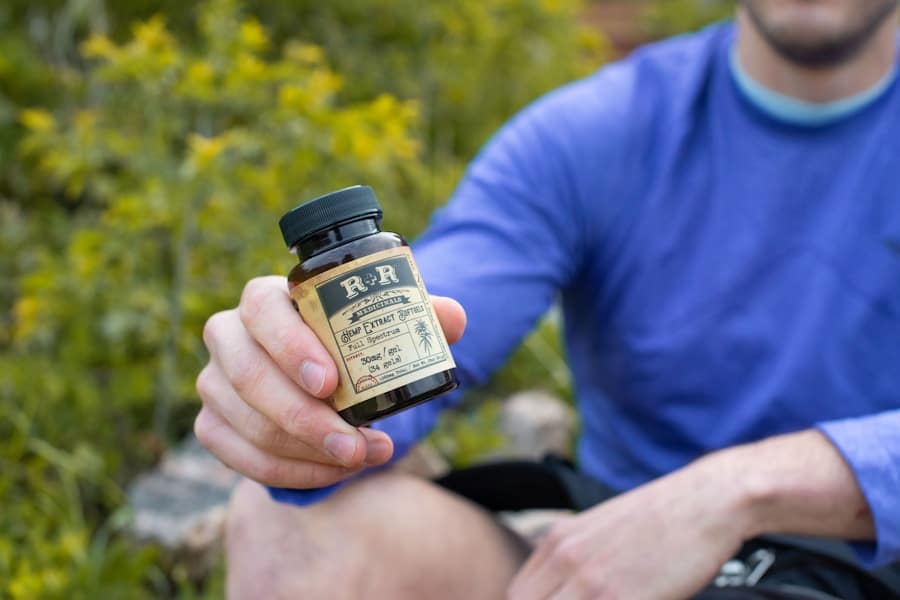
Ensuring Adequate Calcium Intake
Calcium supplements are widely available and can help ensure you’re getting enough of this essential mineral if dietary sources fall short. However, it’s crucial to consult with a healthcare professional to determine the appropriate dosage for your individual needs.
Vitamin D: The Unsung Hero of Bone Health
Vitamin D supplements are also commonly recommended for those who may not get enough sunlight exposure or dietary sources of this vital nutrient. Adequate vitamin D levels are essential for calcium absorption and overall bone health.
Other Nutrients for Bone Strength
Additionally, some supplements contain a combination of calcium and vitamin D for convenience. Other nutrients like magnesium and vitamin K may also be beneficial for bone strength; however, it’s best to discuss these options with a healthcare provider who can guide you based on your specific circumstances.
Lifestyle Changes for Stronger Bones
In addition to diet and exercise, certain lifestyle changes can significantly impact your bone health over time. One critical factor is avoiding smoking and limiting alcohol consumption. Smoking has been linked to decreased bone density and an increased risk of fractures, while excessive alcohol intake can interfere with calcium absorption and hormone levels that regulate bone health.
By making conscious choices about these habits, you can create an environment that supports stronger bones. Another important lifestyle change involves maintaining a healthy weight. Being underweight can increase the risk of osteoporosis due to lower bone density, while being overweight may put additional stress on your bones and joints.
Striving for a balanced weight through healthy eating and regular exercise not only benefits your bones but also enhances your overall health and well-being. By adopting these lifestyle changes alongside other strategies for bone health, you can create a comprehensive approach that promotes stronger bones throughout your life.
Consulting with a Healthcare Professional
As you embark on your journey toward better bone health, consulting with a healthcare professional is an essential step that should not be overlooked. A doctor or registered dietitian can provide personalized recommendations based on your unique health history and lifestyle factors. They can help assess your current bone health through tests such as bone density scans and guide you in creating an effective plan tailored specifically for you.
Additionally, discussing any concerns about medications like Fosamax or potential supplements with a healthcare provider ensures that you make informed decisions about your treatment options. They can help you weigh the benefits against the risks while considering alternative therapies if necessary. By working closely with a healthcare professional, you empower yourself with knowledge and support that will ultimately lead to better outcomes for your bone health in the long run.
In conclusion, prioritizing bone health is vital for maintaining an active and fulfilling life as you age. By understanding the importance of strong bones and exploring various strategies—ranging from dietary changes to exercise routines—you can take proactive steps toward enhancing your skeletal system’s strength. Whether through natural methods or medical interventions like Fosamax, being informed about the risks and benefits will enable you to make choices that align with your health goals.
Remember that consulting with healthcare professionals is key in navigating this journey effectively; they will provide guidance tailored specifically to you as you work toward achieving optimal bone health.
If you are interested in learning more about natural supplements to strengthen your bones, you may want to check out the article “Natural Supplements: What You Need to Know”. This article provides valuable information on the benefits of using natural supplements to support bone health and overall well-being. By incorporating these supplements into your daily routine, you can help improve your bone density and reduce the risk of fractures.
FAQs
What are some natural alternatives to Fosamax for strengthening bones?
Some natural alternatives to Fosamax for strengthening bones include increasing calcium and vitamin D intake, engaging in weight-bearing exercises, consuming foods rich in bone-strengthening nutrients, and maintaining a healthy lifestyle.
What are some foods that can help strengthen bones naturally?
Foods that can help strengthen bones naturally include dairy products, leafy green vegetables, nuts and seeds, fish, and fortified foods such as orange juice and cereals.
What are weight-bearing exercises and how do they help strengthen bones?
Weight-bearing exercises are activities that force you to work against gravity, such as walking, jogging, dancing, and weightlifting. These exercises help strengthen bones by stimulating the production of new bone tissue and improving bone density.
How can increasing calcium and vitamin D intake help strengthen bones?
Calcium and vitamin D are essential nutrients for bone health. Calcium helps build and maintain strong bones, while vitamin D helps the body absorb calcium. Increasing intake of these nutrients can help strengthen bones naturally.
What lifestyle changes can help strengthen bones naturally?
Lifestyle changes that can help strengthen bones naturally include quitting smoking, limiting alcohol consumption, maintaining a healthy body weight, and avoiding falls and injuries. These changes can help reduce the risk of bone loss and fractures.