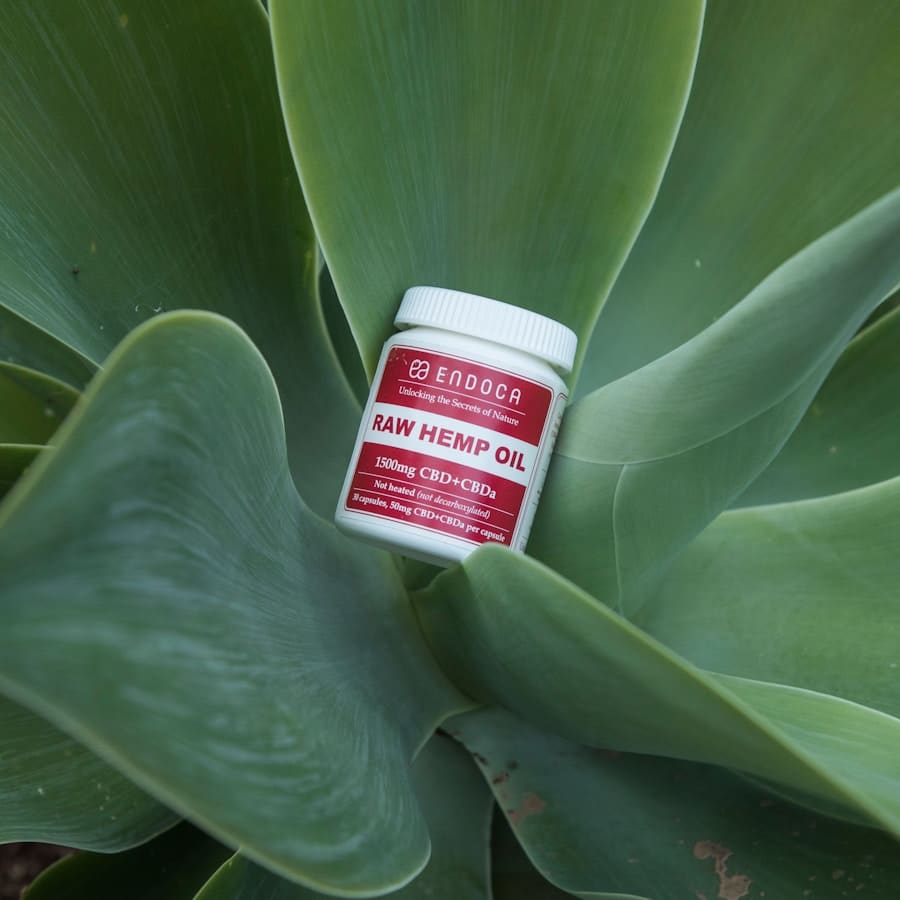
Protonix, generically known as pantoprazole, is a medication that belongs to a class of drugs called proton pump inhibitors (PPIs). It is primarily used to treat conditions such as gastroesophageal reflux disease (GERD), stomach ulcers, and other disorders related to excessive stomach acid production. By inhibiting the proton pumps in the stomach lining, Protonix effectively reduces the amount of acid produced, providing relief from symptoms like heartburn and acid reflux.
While it can be highly effective for many individuals, it is essential to understand the potential side effects associated with its use. Common side effects of Protonix may include headaches, diarrhea, nausea, and abdominal pain. While these symptoms are often mild and temporary, some individuals may experience more severe reactions.
Long-term use of PPIs like Protonix has been linked to an increased risk of certain health issues, including kidney disease, bone fractures, and gastrointestinal infections. As you consider using Protonix, it is crucial to weigh the benefits against these potential risks and consult with your healthcare provider to determine the best course of action for your specific situation.
Key Takeaways
- Protonix is a medication used to treat conditions such as acid reflux and ulcers, but it can have side effects including headache, diarrhea, and nausea.
- Natural alternatives to Protonix include dietary changes, such as avoiding trigger foods, and lifestyle changes, such as elevating the head of the bed while sleeping.
- Diet and lifestyle changes for healing the gut include eating a balanced diet with plenty of fiber, staying hydrated, and managing stress.
- Herbal remedies for digestive health may include ginger, peppermint, and chamomile, which can help soothe the digestive system and reduce symptoms of indigestion.
- Probiotics, found in foods like yogurt and kefir, can help promote gut health by balancing the bacteria in the digestive system. Seeking professional guidance for gut healing is important to ensure the best treatment plan for individual needs.
Natural Alternatives to Protonix
If you are seeking alternatives to Protonix for managing your digestive health, you may find that several natural options can provide relief without the potential side effects associated with pharmaceuticals. One popular alternative is the use of herbal supplements such as slippery elm and marshmallow root. These herbs have been traditionally used to soothe the digestive tract and reduce inflammation.
Slippery elm, in particular, contains mucilage, a gel-like substance that coats the stomach lining and may help alleviate irritation caused by excess acid. Another natural alternative worth considering is the use of digestive enzymes. These supplements can aid in breaking down food more effectively, reducing the burden on your stomach and potentially minimizing acid production.
By incorporating digestive enzymes into your routine, you may find that your body can process food more efficiently, leading to fewer symptoms of discomfort. As you explore these alternatives, it is essential to consult with a healthcare professional to ensure they are appropriate for your individual needs.
Diet and Lifestyle Changes for Healing the Gut
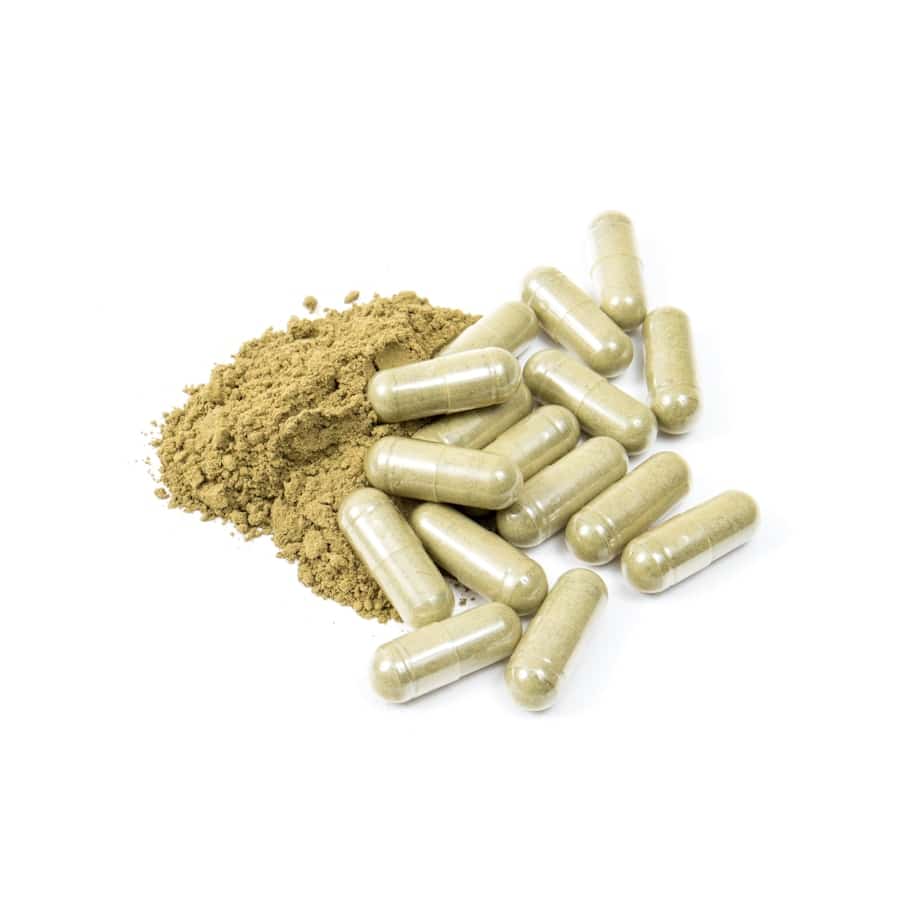
Making dietary and lifestyle changes can significantly impact your gut health and may help reduce the need for medications like Protonix. One of the first steps you can take is to adopt an anti-inflammatory diet rich in whole foods. Focus on incorporating plenty of fruits, vegetables, whole grains, lean proteins, and healthy fats into your meals.
Foods high in fiber can promote healthy digestion and support the growth of beneficial gut bacteria. Additionally, consider reducing your intake of processed foods, refined sugars, and unhealthy fats, as these can contribute to inflammation and digestive issues. In addition to dietary changes, lifestyle modifications can also play a crucial role in healing your gut.
Regular physical activity is essential for maintaining a healthy digestive system. Exercise helps stimulate digestion and can alleviate symptoms of bloating and discomfort. Furthermore, establishing a consistent sleep schedule and managing stress levels are vital components of gut health.
Poor sleep and chronic stress can disrupt the balance of gut bacteria and lead to increased acid production. By prioritizing these lifestyle changes, you can create a supportive environment for your gut to heal naturally.
Herbal Remedies for Digestive Health
Herbal remedies have been used for centuries to support digestive health and alleviate symptoms associated with gastrointestinal disorders. One well-known herb is ginger, which has anti-inflammatory properties that can help soothe an upset stomach and reduce nausea. You might consider incorporating ginger tea into your daily routine or adding fresh ginger to your meals for added flavor and health benefits.
Another effective herbal remedy is peppermint. Peppermint oil has been shown to relax the muscles of the gastrointestinal tract, which can help relieve symptoms of bloating and gas. You can enjoy peppermint tea or use enteric-coated peppermint oil capsules for targeted relief.
As you explore these herbal options, remember that individual responses may vary, so it’s essential to monitor how your body reacts and consult with a healthcare professional if you have any concerns.
Probiotics for Gut Health
Probiotics are live microorganisms that provide numerous health benefits when consumed in adequate amounts. They play a vital role in maintaining a balanced gut microbiome, which is essential for overall digestive health. If you are looking to improve your gut health naturally, incorporating probiotic-rich foods into your diet can be an excellent strategy.
Foods such as yogurt, kefir, sauerkraut, kimchi, and kombucha are all rich in beneficial bacteria that can help restore balance in your gut. In addition to dietary sources of probiotics, you may also consider taking probiotic supplements. These supplements come in various strains and formulations, so it’s important to choose one that aligns with your specific health needs.
Research suggests that certain strains may be more effective for particular digestive issues, so consulting with a healthcare provider can help you select the right product for your situation. By prioritizing probiotics in your diet or supplement regimen, you can support your gut health and potentially reduce reliance on medications like Protonix.
Stress Management for Gut Healing

Stress has a profound impact on your overall health, including your digestive system. When you experience stress, your body releases hormones that can disrupt normal digestive processes and lead to increased acid production. This connection between stress and gut health highlights the importance of implementing effective stress management techniques in your daily life.
Mindfulness practices such as meditation, yoga, or deep breathing exercises can help calm your mind and reduce stress levels. Additionally, engaging in activities that bring you joy or relaxation can also contribute to better gut health. Whether it’s spending time in nature, pursuing a hobby, or connecting with loved ones, finding ways to unwind is crucial for maintaining a healthy balance in your life.
By prioritizing stress management strategies, you not only enhance your mental well-being but also create a more favorable environment for your gut to heal.
Exercise and Gut Health
Regular physical activity is not only beneficial for overall health but also plays a significant role in promoting digestive health. Exercise helps stimulate the muscles in your gastrointestinal tract, which can aid in moving food through the digestive system more efficiently. If you are looking to improve your gut health naturally, incorporating regular exercise into your routine is essential.
You don’t need to engage in intense workouts to reap the benefits; even moderate activities like walking, swimming, or cycling can have a positive impact on digestion. Aim for at least 150 minutes of moderate aerobic activity each week, along with strength training exercises on two or more days per week. As you establish an exercise routine that works for you, remember that consistency is key.
Over time, you may notice improvements in your digestion and overall well-being.
Seeking Professional Guidance for Gut Healing
While many natural alternatives and lifestyle changes can support gut health, it’s essential to recognize when professional guidance is necessary. If you are experiencing persistent digestive issues or considering making significant changes to your treatment plan, consulting with a healthcare provider or a registered dietitian can provide valuable insights tailored to your unique situation. They can help assess your symptoms, recommend appropriate tests if needed, and guide you toward effective treatment options.
Additionally, working with a professional can ensure that any natural remedies or dietary changes you implement are safe and suitable for your individual needs. They can also help monitor your progress over time and make adjustments as necessary to optimize your gut health journey. By seeking professional guidance, you empower yourself with knowledge and support as you navigate the path toward healing your gut naturally.
In conclusion, while Protonix may offer relief from digestive issues for some individuals, exploring natural alternatives and making lifestyle changes can provide additional avenues for healing the gut. By understanding the potential side effects of medications like Protonix and embracing holistic approaches such as dietary modifications, herbal remedies, probiotics, stress management techniques, regular exercise, and professional guidance, you can take proactive steps toward achieving optimal digestive health. Your journey toward healing begins with informed choices that prioritize both your physical well-being and overall quality of life.
If you are interested in learning more about natural alternatives to Protonix and how they can help heal your gut, you may want to check out this article on scientific evidence supporting their effectiveness. This article delves into the research behind natural remedies for gut health and provides valuable insights into their potential benefits. By incorporating these natural solutions into your routine, you may be able to improve your digestive health and overall well-being.
FAQs
What are the common alternatives to Protonix for healing the gut?
Some common alternatives to Protonix for healing the gut include dietary changes, natural supplements, and lifestyle modifications. These alternatives focus on addressing the root cause of gut issues rather than just managing symptoms.
What dietary changes can help heal the gut as an alternative to Protonix?
Dietary changes such as reducing intake of processed foods, sugar, and refined carbohydrates, and increasing consumption of fiber-rich foods, probiotic-rich foods, and anti-inflammatory foods can help heal the gut naturally.
What natural supplements can be used as alternatives to Protonix for gut health?
Natural supplements such as probiotics, digestive enzymes, L-glutamine, aloe vera, and deglycyrrhizinated licorice (DGL) can support gut healing and provide alternatives to Protonix.
What lifestyle modifications can be made as alternatives to Protonix for gut health?
Lifestyle modifications such as managing stress, getting regular exercise, staying hydrated, and getting enough sleep can all contribute to gut health and serve as alternatives to Protonix.
Are there any potential risks or side effects associated with using Protonix alternatives for gut health?
While natural alternatives to Protonix are generally considered safe, it’s important to consult with a healthcare professional before making any significant changes to your treatment plan. Some natural supplements may interact with medications or have potential side effects, so it’s important to use them under the guidance of a healthcare provider.