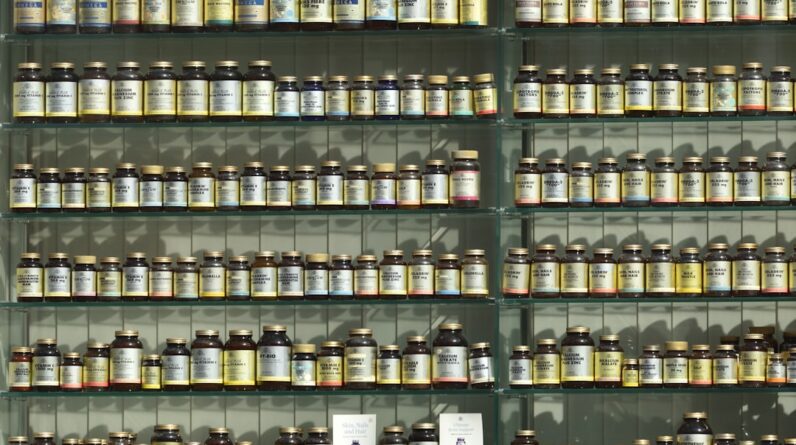
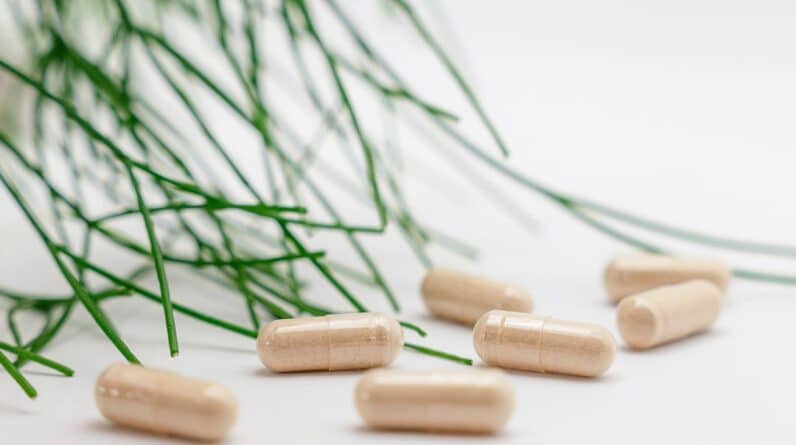
When it comes to managing your health, medications play a crucial role in treating various conditions. However, it’s essential to be aware that certain medications can have unintended effects on your body, particularly when it comes to skin health. For instance, some prescription drugs, such as those used for acne or hormonal treatments, may lead to increased sensitivity to sunlight.
This heightened sensitivity can result in sunburns or skin discoloration, making it vital for you to take precautions when exposed to the sun. Moreover, medications like non-steroidal anti-inflammatory drugs (NSAIDs) and certain antibiotics can also affect your skin’s appearance. You might notice changes in pigmentation or even rashes as side effects of these treatments.
It’s important to consult with your healthcare provider about any potential skin-related side effects of the medications you are taking. By being informed, you can take proactive steps to protect your skin and maintain its health while managing your medical conditions.
Key Takeaways
- Medications can interact with antioxidants, so it’s important to consult a healthcare professional before combining them.
- Alcohol can decrease the effectiveness of antioxidants, so it’s best to limit alcohol consumption when trying to benefit from antioxidants.
- Certain foods, such as berries, nuts, and leafy greens, are rich in antioxidants and can be beneficial for overall health.
- Other antioxidants, like vitamin C and E, can also be found in skincare products and can help protect the skin from damage.
- Chemotherapy drugs can interact with antioxidants, so it’s important for cancer patients to discuss their use with their healthcare team.
- Skin lightening products may contain antioxidants, but it’s important to use them cautiously and under the guidance of a dermatologist.
- Herbal supplements, such as green tea extract and turmeric, can provide antioxidants, but their safety and effectiveness can vary.
- Sunscreen with antioxidants can provide added protection against UV damage, but should not be relied upon as the sole form of sun protection.
Alcohol
Alcohol consumption is another factor that can significantly impact your skin’s health and overall appearance. When you drink alcohol, it can lead to dehydration, which in turn affects your skin’s elasticity and moisture levels. You may find that after a night of drinking, your skin appears dull and lifeless, lacking the natural glow that comes from proper hydration.
This dehydration can exacerbate existing skin conditions, such as eczema or psoriasis, making it crucial for you to monitor your alcohol intake. Additionally, alcohol can cause inflammation in the body, which may manifest as redness or puffiness in your skin. If you notice that your skin reacts negatively after consuming alcohol, it might be time to reassess your drinking habits.
Opting for moderation or choosing alcohol-free alternatives can help you maintain a healthier complexion. Remember, your skin is a reflection of your overall health, and being mindful of what you consume can lead to significant improvements in its appearance.
Certain Foods

Your diet plays a pivotal role in determining the health and appearance of your skin. Certain foods can either enhance your complexion or contribute to skin issues. For example, high-sugar and high-fat foods can lead to increased oil production in your skin, potentially resulting in breakouts and acne flare-ups.
If you find yourself struggling with these issues, consider evaluating your diet and making adjustments to include more whole foods, fruits, and vegetables that are rich in vitamins and antioxidants. On the other hand, foods rich in omega-3 fatty acids, such as salmon and walnuts, can help reduce inflammation and promote healthy skin. Incorporating these beneficial foods into your meals can lead to a more radiant complexion.
Additionally, staying hydrated by drinking plenty of water is essential for maintaining skin elasticity and preventing dryness. By being conscious of the foods you consume, you can take significant steps toward achieving healthier skin.
Other Antioxidants
Antioxidants are vital for protecting your skin from damage caused by free radicals and environmental stressors. You may already be familiar with popular antioxidants like vitamin C and E, but there are many others that can also benefit your skin. For instance, coenzyme Q10 is a powerful antioxidant that helps reduce the appearance of fine lines and wrinkles by neutralizing free radicals.
Incorporating products that contain these antioxidants into your skincare routine can provide an extra layer of protection against premature aging. Moreover, green tea is another excellent source of antioxidants that can be beneficial for your skin. Drinking green tea or using skincare products infused with its extracts can help soothe inflammation and reduce redness.
By understanding the importance of antioxidants and actively seeking them out in both your diet and skincare products, you can enhance your skin’s resilience and overall health.
Chemotherapy Drugs
If you or someone you know is undergoing chemotherapy, it’s essential to be aware of how these drugs can affect the skin. Chemotherapy drugs are designed to target rapidly dividing cancer cells, but they can also impact healthy cells, including those in the skin. You may experience side effects such as dryness, rashes, or increased sensitivity during treatment.
It’s crucial to communicate with your healthcare team about any skin changes you notice so they can provide guidance on managing these effects. In addition to seeking medical advice, adopting a gentle skincare routine can help alleviate some discomfort associated with chemotherapy. Opting for fragrance-free moisturizers and avoiding harsh exfoliants can minimize irritation and keep your skin hydrated.
Remember that taking care of your skin during this challenging time is just as important as focusing on your overall health. By prioritizing skincare alongside treatment, you can help maintain a sense of normalcy and comfort.
Skin Lightening Products
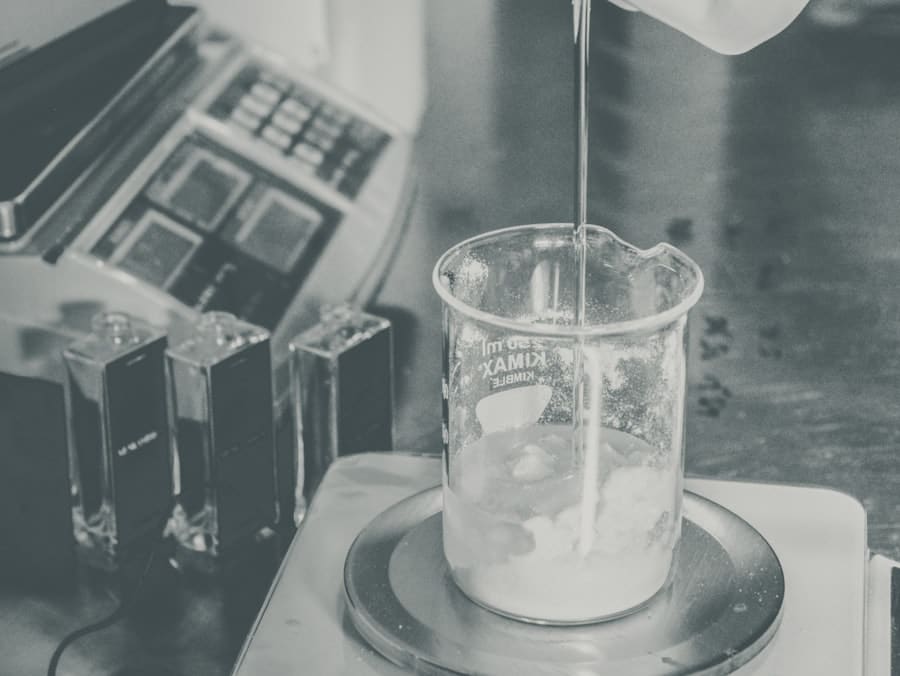
The desire for an even skin tone has led many individuals to explore various skin-lightening products. While some products may promise quick results, it’s essential to approach them with caution. Many skin-lightening agents contain ingredients like hydroquinone or mercury, which can have harmful side effects if used improperly or for extended periods.
You should always read labels carefully and consult with a dermatologist before starting any new treatment. Additionally, it’s important to understand that achieving a lighter complexion should not come at the expense of your skin’s health. Instead of relying solely on lightening products, consider embracing a holistic approach that includes sun protection and a balanced skincare routine.
By prioritizing the health of your skin over superficial changes, you can achieve a more radiant complexion without compromising its integrity.
Herbal Supplements
Herbal supplements have gained popularity as natural alternatives for various health concerns, including skin issues. Many people turn to herbs like turmeric or aloe vera for their anti-inflammatory properties and potential benefits for the skin. Turmeric contains curcumin, which has been shown to reduce redness and improve overall skin tone when applied topically or consumed as a supplement.
If you’re considering incorporating herbal supplements into your routine, it’s essential to do so mindfully. However, it’s crucial to remember that not all herbal supplements are created equal. The quality and potency of these products can vary significantly between brands.
Before adding any new supplement to your regimen, consult with a healthcare professional who can guide you on safe dosages and potential interactions with other medications you may be taking. By being informed about herbal supplements, you can make choices that support both your health and your skin.
Sunscreen
One of the most critical aspects of maintaining healthy skin is the consistent use of sunscreen. Regardless of the season or weather conditions, protecting your skin from harmful UV rays is essential for preventing premature aging and reducing the risk of skin cancer. You should choose a broad-spectrum sunscreen with an SPF of at least 30 and apply it generously every day, even on cloudy days.
In addition to daily application, reapplying sunscreen every two hours—especially if you’re swimming or sweating—is vital for maintaining protection throughout the day. Remember that sunscreen is not just for beach days; it should be an integral part of your daily skincare routine. By prioritizing sun protection, you are taking proactive steps toward preserving your skin’s health and ensuring it remains vibrant for years to come.
In conclusion, understanding how various factors such as medications, alcohol consumption, diet, antioxidants, chemotherapy drugs, skin lightening products, herbal supplements, and sunscreen affect your skin is crucial for maintaining its health and appearance. By being informed and proactive about these elements, you can make choices that promote a radiant complexion while safeguarding against potential damage. Your skin deserves the best care possible; by prioritizing its health today, you set the foundation for a beautiful tomorrow.
When considering what shouldn’t be mixed with glutathione, it’s important to also think about the benefits of incorporating supplements into your diet. According to this article, supplements can play a crucial role in supporting overall health and wellness. Additionally, for those looking to enhance muscle building and sports performance, certain supplements can be particularly beneficial. To learn more about supplements for muscle building and sports performance, check out this related article. It’s always important to do thorough research and consult with a healthcare professional before mixing any supplements with glutathione.
FAQs
What is Glutathione?
Glutathione is a powerful antioxidant that is naturally produced in the body. It plays a crucial role in protecting cells from oxidative stress and maintaining overall health.
What are the potential risks of mixing Glutathione with certain substances?
Mixing glutathione with certain substances, such as alcohol or certain medications, can potentially lead to adverse effects or reduce the effectiveness of the glutathione.
Why shouldn’t Glutathione be mixed with alcohol?
Mixing glutathione with alcohol can potentially reduce the effectiveness of the glutathione and may also increase the risk of liver damage.
What medications should not be mixed with Glutathione?
Certain medications, such as chemotherapy drugs or nitroglycerin, should not be mixed with glutathione as it may interfere with their effectiveness.
Can mixing Glutathione with certain substances be harmful to health?
Yes, mixing glutathione with certain substances can potentially be harmful to health and may lead to adverse effects or reduce the effectiveness of the glutathione. It is important to consult with a healthcare professional before mixing glutathione with any other substances.