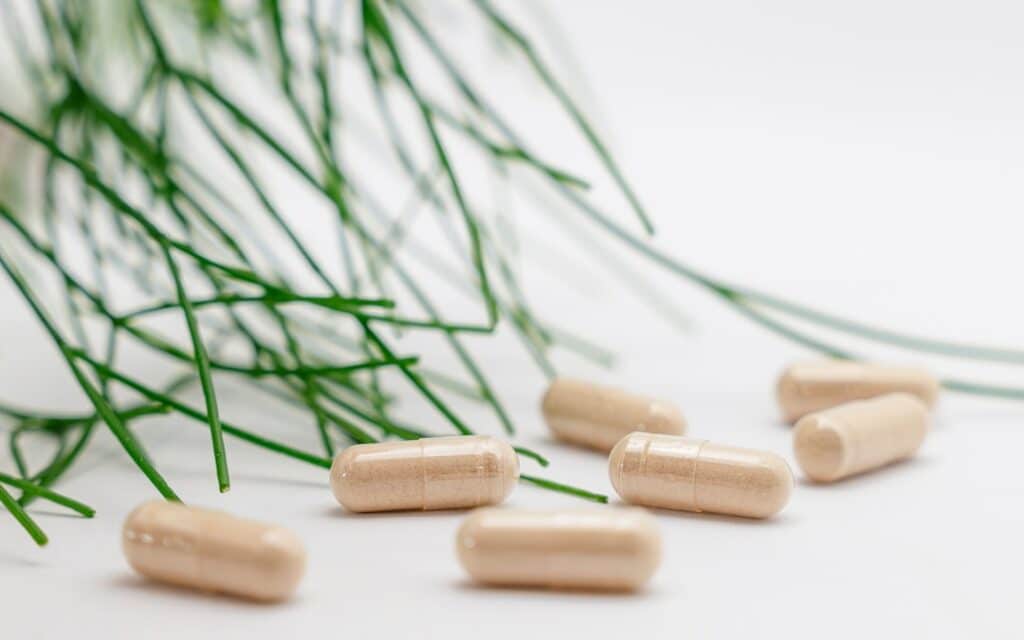
Glutathione is a powerful antioxidant that plays a crucial role in maintaining your overall health. Composed of three amino acids—cysteine, glutamine, and glycine—this tripeptide is found in every cell of your body. It acts as a protector against oxidative stress, which can lead to cellular damage and various health issues.
By neutralizing free radicals, glutathione helps to maintain the integrity of your cells and supports numerous biochemical processes essential for your well-being. The way glutathione works is fascinating. It not only scavenges free radicals but also regenerates other antioxidants, such as vitamins C and E, enhancing their effectiveness.
This means that when you have adequate levels of glutathione, your body can better defend itself against the harmful effects of environmental toxins, poor diet, and stress. Understanding this dynamic can empower you to take proactive steps in supporting your health through lifestyle choices that promote optimal glutathione levels.
Key Takeaways
- Glutathione is a powerful antioxidant produced in the body that plays a crucial role in protecting cells from damage and supporting the immune system.
- Glutathione is essential for preventing diseases and promoting overall health by neutralizing free radicals, reducing inflammation, and supporting detoxification processes.
- Supplementation with glutathione can support overall wellness by boosting the body’s antioxidant defenses, improving immune function, and promoting detoxification.
- Glutathione has been linked to its impact on aging and longevity by protecting against age-related diseases and supporting cellular health.
- Glutathione plays a key role in detoxification by binding to toxins and aiding in their elimination from the body, making it essential for maintaining optimal health.
- Glutathione has the potential to prevent chronic illnesses by reducing oxidative stress, supporting immune function, and promoting overall cellular health.
- Natural ways to boost glutathione levels in the body include consuming sulfur-rich foods, exercising regularly, and getting adequate sleep.
- Incorporating glutathione into a wellness routine may be the future of preventive health care, as it can support overall health and reduce the risk of chronic diseases.
The Role of Glutathione in Preventing Disease and Promoting Health
Boosting the Immune System
Glutathione also supports the immune system by enhancing the function of immune cells, allowing the body to respond more effectively to infections and illnesses.
Metabolic Processes
In addition to its protective role, glutathione is essential for various metabolic processes vital for maintaining health. It aids in the synthesis of proteins and DNA, as well as the regulation of cell growth and death.
Investing in a Robust Defense System
Adequate levels of glutathione are essential not only for preventing disease but also for promoting overall vitality. By ensuring that the body has sufficient glutathione, one is investing in a defense system that can help navigate its challenges.
The Benefits of Glutathione Supplementation for Overall Wellness

Supplementing with glutathione can offer numerous benefits for your overall wellness. Many people find that taking glutathione supplements helps improve their energy levels and enhances their physical performance. This is particularly beneficial for those who lead active lifestyles or engage in regular exercise, as increased glutathione levels can aid in muscle recovery and reduce fatigue.
Moreover, glutathione supplementation has been linked to improved skin health. Many individuals report a brighter complexion and reduced signs of aging after incorporating glutathione into their routines. This is due to its ability to combat oxidative stress and promote cellular repair, leading to healthier skin.
Additionally, some studies suggest that glutathione may help reduce the appearance of dark spots and hyperpigmentation, making it a popular choice for those seeking a more radiant appearance.
Glutathione and its Impact on Aging and Longevity
As you age, your body’s natural production of glutathione tends to decline, which can contribute to various age-related health issues. This decline is associated with increased oxidative stress and inflammation, both of which are linked to the aging process. By understanding the connection between glutathione and aging, you can take proactive steps to support your longevity.
Research suggests that maintaining optimal levels of glutathione may help slow down the aging process by protecting your cells from damage and promoting healthy cellular function. Some studies have even indicated that higher glutathione levels are associated with a lower risk of age-related diseases such as Alzheimer’s and Parkinson’s disease. By prioritizing glutathione in your wellness routine, you may enhance not only your lifespan but also your healthspan—the period during which you remain healthy and active.
The Link Between Glutathione and Detoxification
Detoxification is a vital process that helps your body eliminate harmful substances, and glutathione plays a central role in this function. It acts as a key player in the liver’s detoxification pathways, binding to toxins and facilitating their excretion from the body. This means that when your glutathione levels are adequate, your body is better equipped to handle environmental pollutants, heavy metals, and other harmful substances.
Incorporating strategies to boost your glutathione levels can enhance your body’s natural detoxification processes. This is particularly important in today’s world, where exposure to toxins is prevalent due to pollution, processed foods, and lifestyle factors. By supporting your body’s detoxification capabilities through glutathione, you can promote better health and reduce the risk of toxin-related illnesses.
Glutathione and its Potential in Preventing Chronic Illnesses

Chronic illnesses are a significant concern for many individuals today, but research suggests that maintaining healthy levels of glutathione may help prevent these conditions. Chronic inflammation and oxidative stress are common contributors to diseases such as diabetes, cardiovascular disease, and certain types of cancer. By acting as a potent antioxidant, glutathione helps combat these harmful processes.
Studies have shown that individuals with lower levels of glutathione are at a higher risk for developing chronic illnesses. Conversely, those with higher levels tend to experience better health outcomes. This highlights the importance of monitoring and supporting your glutathione levels as part of a comprehensive approach to disease prevention.
By prioritizing this powerful antioxidant in your wellness routine, you may significantly reduce your risk of chronic diseases.
How to Naturally Boost Glutathione Levels in the Body
There are several natural ways you can boost your body’s glutathione levels without resorting to supplementation alone. One effective method is through dietary choices. Foods rich in sulfur-containing amino acids—such as garlic, onions, cruciferous vegetables (like broccoli and kale), and legumes—can help enhance your body’s production of glutathione.
Incorporating these foods into your meals can provide the necessary building blocks for this vital antioxidant. Additionally, engaging in regular physical activity can also support healthy glutathione levels. Exercise has been shown to stimulate the production of antioxidants in the body, including glutathione.
Whether it’s through aerobic activities like running or strength training exercises, finding a routine that works for you can be beneficial not only for your physical health but also for maintaining optimal antioxidant levels.
The Future of Preventive Health Care: Incorporating Glutathione into Your Wellness Routine
As the focus on preventive health care continues to grow, incorporating glutathione into your wellness routine may become increasingly important. With its myriad benefits for disease prevention, detoxification, and overall health promotion, glutathione represents a promising avenue for enhancing well-being. As research continues to uncover its potential applications, you may find that prioritizing this powerful antioxidant becomes an integral part of your health strategy.
Incorporating glutathione into your daily life doesn’t have to be complicated. Whether through dietary choices, lifestyle modifications, or supplementation, there are numerous ways to ensure you’re supporting this vital antioxidant. By taking proactive steps now, you can pave the way for a healthier future—one where you feel vibrant, energetic, and resilient against the challenges life may present.
Embracing the power of glutathione could very well be a key component in achieving optimal health and longevity.
Glutathione is a powerful antioxidant that plays a crucial role in maintaining overall health and preventing diseases. In addition to Glutathione, Zinc is another essential nutrient that is vital for supporting the immune system and promoting overall health. According to this article, Zinc deficiency can lead to a weakened immune system and increase the risk of infections. Therefore, incorporating Zinc-rich foods or supplements into your diet can help support your body’s immune function and overall well-being.
FAQs
What is glutathione?
Glutathione is a powerful antioxidant that is naturally produced in the body. It plays a crucial role in protecting cells from oxidative stress and maintaining overall health.
How does glutathione work in the body?
Glutathione works by neutralizing free radicals and preventing damage to cells and tissues. It also supports the immune system and helps detoxify the body.
What are the benefits of glutathione for preventive health care?
Glutathione has been linked to a wide range of health benefits, including improved immune function, reduced inflammation, and enhanced detoxification. It is also believed to have anti-aging properties and may help prevent chronic diseases.
How can glutathione be obtained?
Glutathione can be obtained through certain foods such as fruits, vegetables, and meats. It can also be taken as a dietary supplement or administered through intravenous or intramuscular injections.
Are there any risks or side effects associated with glutathione supplementation?
While glutathione is generally considered safe, some people may experience mild side effects such as stomach upset or allergic reactions. It is important to consult with a healthcare professional before starting any new supplement regimen.
Is glutathione the future of preventive health care?
Many experts believe that glutathione has the potential to play a significant role in preventive health care due to its powerful antioxidant and immune-boosting properties. However, more research is needed to fully understand its impact on overall health and disease prevention.