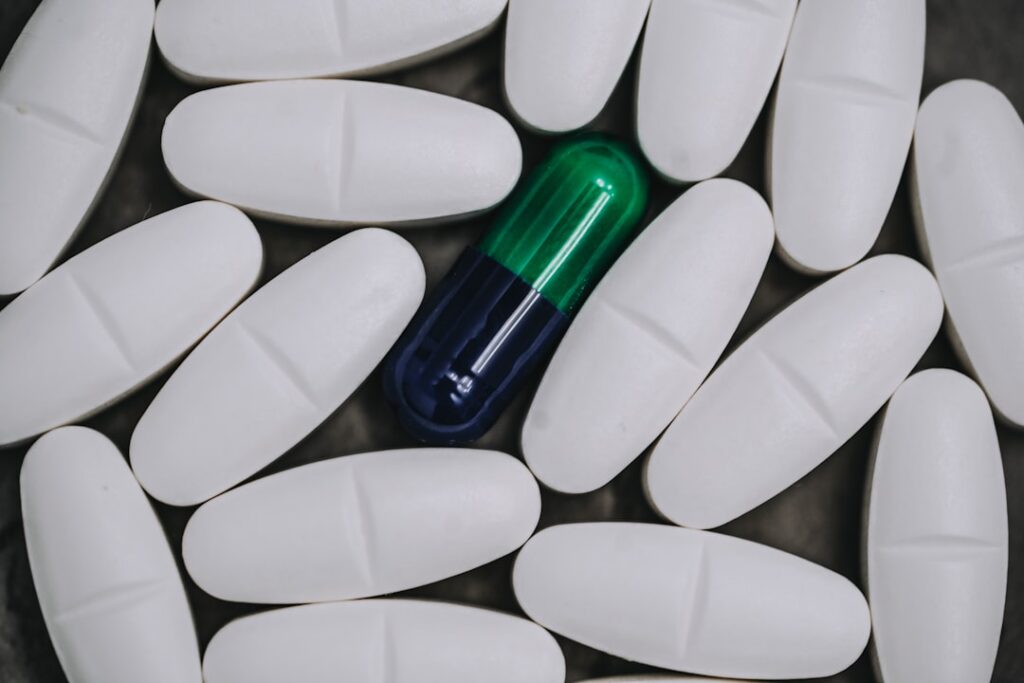
Selenium is a trace mineral that plays a crucial role in various bodily functions. As an essential nutrient, it is required in small amounts for optimal health. This mineral is incorporated into proteins to form selenoproteins, which are vital for processes such as metabolism, reproduction, and the synthesis of DNYou may not realize it, but selenium is also involved in the regulation of thyroid hormones and the protection of cells from oxidative damage.
Its multifaceted role makes it an indispensable component of your diet. In your body, selenium acts as a cofactor for several enzymes, including glutathione peroxidase, which helps to neutralize harmful free radicals. These free radicals can cause cellular damage and contribute to various diseases, including cancer and heart disease.
By participating in antioxidant defense mechanisms, selenium helps maintain cellular integrity and overall health. Understanding the significance of selenium can empower you to make informed dietary choices that support your well-being.
Key Takeaways
- Selenium is a trace mineral that plays a crucial role in the body’s antioxidant defense system and thyroid function.
- Selenium is essential for protecting the body from oxidative stress and preventing damage to cells and tissues.
- Selenium is important for the production of thyroid hormones and helps regulate thyroid function.
- Selenium supports the immune system by enhancing the activity of white blood cells and promoting immune response.
- Selenium is important for reproductive health, including sperm production and fertility in both men and women.
The Importance of Selenium for Antioxidant Protection
The Importance of Antioxidants in Today’s World
In today’s environment, where toxins and stressors are prevalent, selenium’s antioxidant properties are crucial in protecting the body against oxidative stress. Selenium is incorporated into selenoproteins, which play a vital role in the body’s defense system, working in tandem with other antioxidants like vitamins C and E to provide a robust shield against oxidative damage.
Selenium’s Protective Effects on Overall Health
By ensuring sufficient selenium intake, individuals can bolster their body’s defenses and potentially reduce the risk of developing conditions associated with oxidative damage, such as cardiovascular disease and neurodegenerative disorders. A diet rich in selenium can have a significant impact on overall health and well-being.
Boosting the Body’s Defenses with Selenium
Incorporating selenium-rich foods into one’s diet can have a profound effect on the body’s ability to combat oxidative stress. By doing so, individuals can take a proactive approach to maintaining optimal health and reducing the risk of chronic diseases.
Selenium’s Impact on Thyroid Function
The thyroid gland relies heavily on selenium for its proper functioning. This small butterfly-shaped gland located in your neck produces hormones that regulate metabolism, energy levels, and overall growth and development. Selenium is essential for the conversion of the inactive thyroid hormone thyroxine (T4) into its active form, triiodothyronine (T3).
Without adequate selenium, your thyroid may struggle to produce these hormones effectively, leading to potential imbalances. Moreover, selenium has been shown to have a protective effect on the thyroid gland itself. It helps mitigate inflammation and oxidative stress within the gland, which can be particularly beneficial for individuals with autoimmune thyroid conditions like Hashimoto’s thyroiditis.
By supporting thyroid health through adequate selenium intake, you can help maintain hormonal balance and promote overall metabolic health.
How Selenium Supports the Immune System
Your immune system is your body’s defense mechanism against infections and diseases, and selenium plays a vital role in its proper functioning. This mineral enhances the proliferation of immune cells, such as T-cells and natural killer cells, which are crucial for identifying and eliminating pathogens. When you have sufficient selenium levels, your immune response becomes more robust, allowing you to fend off illnesses more effectively.
Additionally, selenium’s antioxidant properties contribute to immune health by reducing inflammation and oxidative stress within the body. Chronic inflammation can weaken your immune system over time, making you more susceptible to infections and diseases. By incorporating selenium-rich foods into your diet or considering supplementation if necessary, you can help fortify your immune system and promote better overall health.
Selenium and Reproductive Health
Selenium is not only important for general health but also plays a significant role in reproductive health for both men and women. In men, selenium is essential for sperm production and motility. Studies have shown that adequate selenium levels can improve sperm quality and reduce the risk of infertility.
If you’re trying to conceive or are concerned about reproductive health, ensuring you have enough selenium in your diet may be beneficial. For women, selenium supports reproductive health by contributing to hormone balance and reducing the risk of complications during pregnancy. Adequate selenium levels during pregnancy are associated with a lower risk of preeclampsia and other pregnancy-related issues.
By prioritizing selenium intake, you can support not only your reproductive health but also that of future generations.
Food Sources of Selenium
Additional Sources of Selenium
Whole grains, eggs, and dairy products also contribute to your selenium intake. These foods can be easily incorporated into your meals to provide a balanced diet.
Benefits of a Selenium-Rich Diet
Incorporating a variety of selenium-rich foods into your diet can provide numerous health benefits. For example, adding a serving of fish or poultry can not only boost your selenium levels but also offer high-quality protein and omega-3 fatty acids.
Achieving a Balanced Diet
By diversifying your food choices, you can enjoy a balanced diet that supports overall health. A well-planned diet that includes selenium-rich foods can help you maintain optimal health and well-being.
Selenium Deficiency and its Effects
Selenium deficiency can lead to a range of health issues that may go unnoticed until they become severe. Symptoms of deficiency can include fatigue, weakened immune function, and cognitive decline. In some cases, low selenium levels have been linked to an increased risk of certain diseases, including heart disease and certain types of cancer.
If you’re not consuming enough selenium-rich foods or if your body has difficulty absorbing this mineral, you may be at risk for deficiency. In addition to general health concerns, selenium deficiency can have specific implications for thyroid function and reproductive health. Low selenium levels may exacerbate thyroid disorders or contribute to infertility issues in both men and women.
Recognizing the signs of deficiency and understanding its potential consequences can motivate you to prioritize selenium intake through diet or supplementation when necessary.
Recommended Dosage and Safety of Selenium Supplementation
When it comes to selenium supplementation, it’s essential to approach it with caution. The recommended dietary allowance (RDA) for adults is about 55 micrograms per day; however, individual needs may vary based on factors such as age, sex, and overall health status. While obtaining selenium from food sources is generally safe, excessive supplementation can lead to toxicity known as selenosis.
Symptoms of selenosis may include gastrointestinal distress, hair loss, fatigue, and even neurological damage in severe cases. Before considering selenium supplements, it’s wise to consult with a healthcare professional who can assess your individual needs and recommend appropriate dosages if necessary. They can help determine whether you require supplementation based on your dietary habits and any underlying health conditions.
By taking a measured approach to selenium intake—prioritizing food sources first—you can support your health without risking potential adverse effects associated with excessive supplementation. In conclusion, understanding the role of selenium in your body is crucial for maintaining optimal health. From its antioxidant properties to its impact on thyroid function and reproductive health, this trace mineral plays a multifaceted role in supporting various bodily functions.
By prioritizing dietary sources of selenium and being mindful of potential deficiencies or excesses through supplementation, you can take proactive steps toward enhancing your overall well-being.
If you are interested in supplements for weight management, you may want to check out this article that discusses various options available. Additionally, if you are looking for the best multivitamin for men, you can find more information in this article. For those interested in supplements for muscle building and sports performance, this article provides valuable insights.
FAQs
What is Selenium?
Selenium is a mineral that is essential for the proper functioning of the body. It is a powerful antioxidant that helps protect cells from damage caused by free radicals.
What are the benefits of Selenium as a health supplement?
Selenium has several health benefits, including supporting antioxidant protection, thyroid function, immune system support, and reproductive health. It also plays a role in DNA synthesis and helps regulate the immune system.
How does Selenium support antioxidant protection?
Selenium helps to neutralize free radicals and reduce oxidative stress in the body. This can help protect cells and tissues from damage and may reduce the risk of chronic diseases.
How does Selenium support thyroid function?
Selenium is essential for the production of thyroid hormones and helps to regulate their metabolism. It also plays a role in protecting the thyroid gland from damage caused by oxidative stress.
How does Selenium support the immune system?
Selenium is important for the proper functioning of the immune system. It helps to regulate the immune response and may enhance the activity of certain immune cells.
How does Selenium support reproductive health?
Selenium is important for both male and female reproductive health. It plays a role in sperm production and motility in men, and it is also important for the health of the ovaries and uterus in women.
What are food sources of Selenium?
Selenium can be found in a variety of foods, including Brazil nuts, seafood, organ meats, and whole grains. It can also be found in smaller amounts in fruits, vegetables, and dairy products.
What are the potential risks of Selenium deficiency?
Selenium deficiency can lead to a range of health problems, including an increased risk of certain chronic diseases, thyroid dysfunction, and compromised immune function. It can also affect reproductive health and fertility.