In today’s fast-paced world, maintaining a balanced diet can often take a backseat to convenience and accessibility. However, this neglect can lead to various health issues, including vitamin deficiencies that may manifest in unexpected ways, such as blurry vision. You might not realize that the nutrients you consume play a crucial role in maintaining your eye health.
When your body lacks essential vitamins, it can lead to a range of visual disturbances, including blurred or impaired vision. Understanding the connection between vitamin deficiencies and eye health is vital for anyone looking to preserve their sight and overall well-being. Blurry vision can be a frustrating experience, often leading you to seek immediate solutions.
However, addressing the root cause—such as a deficiency in essential vitamins—can provide a more sustainable approach to eye health. In this article, we will explore how specific vitamin deficiencies can affect your vision, focusing on vitamins A, B12, C, D, and E. By understanding these connections, you can take proactive steps to ensure your diet supports not only your vision but also your overall health.
Key Takeaways
- Vitamin deficiency can lead to blurry vision and other eye problems.
- Vitamin A deficiency can cause night blindness and blurry vision.
- Vitamin B12 deficiency can lead to optic nerve damage and blurry vision.
- Vitamin C deficiency can cause cataracts and blurry vision.
- Vitamin D deficiency can lead to dry eyes and blurry vision.
- Other nutrient deficiencies, such as zinc and omega-3 fatty acids, can also contribute to blurry vision.
- Eating a balanced diet and taking vitamin supplements can help prevent vitamin deficiency-related blurry vision.
- Regular eye exams and consulting with a healthcare professional can help identify and address any potential vitamin deficiencies affecting vision.
Vitamin A Deficiency and Blurry Vision
Vitamin A is often hailed as the cornerstone of good vision. This fat-soluble vitamin plays a pivotal role in the formation of rhodopsin, a pigment found in the retina that is essential for low-light and color vision. When you lack sufficient vitamin A, you may experience symptoms such as night blindness or difficulty seeing in dim light.
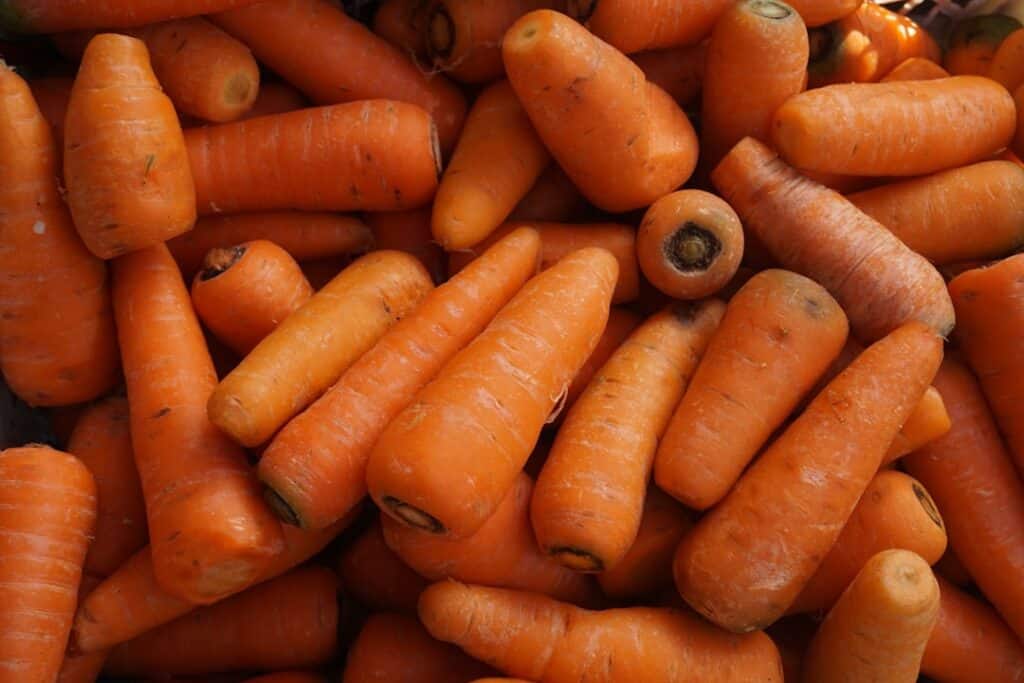
Over time, this deficiency can lead to more severe complications, including xerophthalmia, a condition that can cause permanent blindness if left untreated. If you find yourself struggling with blurry vision, it may be worth considering your vitamin A intake. Foods rich in this nutrient include carrots, sweet potatoes, spinach, and liver.
Incorporating these foods into your diet can help ensure that your body has the necessary resources to maintain optimal eye health. Additionally, if you suspect that you may be deficient in vitamin A, consulting with a healthcare professional can provide you with tailored advice and potential supplementation options.
Vitamin B12 Deficiency and Blurry Vision

Vitamin B12 is another essential nutrient that plays a significant role in maintaining healthy vision. This water-soluble vitamin is crucial for the production of red blood cells and the maintenance of the nervous system. A deficiency in B12 can lead to various neurological issues, including visual disturbances.
You may experience symptoms such as blurred or double vision due to damage to the optic nerve, which can occur when your body lacks this vital nutrient. If you are following a vegetarian or vegan diet, you may be at a higher risk for vitamin B12 deficiency since this vitamin is primarily found in animal products. To combat this risk, consider incorporating fortified foods or supplements into your routine.
Foods such as dairy products, eggs, and fortified cereals can help you meet your B12 needs. By ensuring adequate intake of this vitamin, you can support not only your vision but also your overall neurological health.
Vitamin C Deficiency and Blurry Vision
Vitamin C is widely recognized for its immune-boosting properties, but its role in eye health is equally important. This powerful antioxidant helps protect the eyes from oxidative stress and supports the health of blood vessels in the retina. A deficiency in vitamin C can lead to various eye problems, including cataracts and age-related macular degeneration (AMD), both of which can contribute to blurry vision.
To maintain optimal levels of vitamin C, consider incorporating a variety of fruits and vegetables into your diet. Citrus fruits like oranges and grapefruits are excellent sources, as are strawberries, bell peppers, and broccoli. If you notice changes in your vision or experience persistent blurriness, it may be time to evaluate your vitamin C intake.
By prioritizing this nutrient, you can help safeguard your eyes against potential damage and maintain clear vision.
Vitamin D Deficiency and Blurry Vision
Vitamin D is often associated with bone health, but its impact on eye health is gaining recognition. Research suggests that vitamin D deficiency may be linked to an increased risk of developing conditions such as dry eye syndrome and age-related macular degeneration. If you find yourself experiencing blurry vision or discomfort in your eyes, it could be worth examining your vitamin D levels.
The primary source of vitamin D is sunlight; however, many people struggle to get enough exposure due to lifestyle factors or geographical location. Foods such as fatty fish, fortified dairy products, and egg yolks can also provide this essential nutrient. If you’re concerned about your vitamin D levels or suspect a deficiency, consider discussing supplementation with your healthcare provider.
By ensuring adequate vitamin D intake, you can support not only your eye health but also your overall well-being.
Vitamin E Deficiency and Blurry Vision

Vitamin E is another antioxidant that plays a crucial role in protecting the eyes from oxidative damage. This fat-soluble vitamin helps maintain healthy cell membranes and supports overall eye function. A deficiency in vitamin E can lead to various visual disturbances, including blurry vision and an increased risk of cataracts.
To boost your vitamin E intake, consider incorporating nuts, seeds, and green leafy vegetables into your diet. Almonds, sunflower seeds, and spinach are excellent sources of this nutrient. If you’re experiencing blurry vision or other eye-related issues, it may be beneficial to evaluate your vitamin E consumption.
By prioritizing this essential nutrient, you can help protect your eyes from oxidative stress and maintain clear vision.
Other Nutrient Deficiencies and Blurry Vision
While vitamins A, B12, C, D, and E are critical for maintaining healthy vision, other nutrient deficiencies can also contribute to blurry eyesight. For instance, omega-3 fatty acids are essential for maintaining the health of the retina and preventing dry eye syndrome. If you’re not consuming enough fatty fish or plant-based sources of omega-3s like flaxseeds and walnuts, you may be at risk for visual disturbances.
Additionally, minerals such as zinc play a vital role in eye health by supporting the function of enzymes involved in visual processes. A deficiency in zinc can lead to impaired night vision and an increased risk of age-related macular degeneration. To ensure you’re getting enough of these essential nutrients, consider diversifying your diet with a variety of whole foods that provide a broad spectrum of vitamins and minerals.
Conclusion and Recommendations for Preventing Vitamin Deficiency-Related Blurry Vision
In conclusion, maintaining optimal eye health requires a balanced intake of essential vitamins and nutrients. Blurry vision can often be a sign of underlying deficiencies that need to be addressed for long-term well-being. By understanding the specific roles that vitamins A, B12, C, D, E, and other nutrients play in eye health, you can take proactive steps to prevent deficiencies that may lead to visual disturbances.
To safeguard your vision, prioritize a well-rounded diet rich in fruits, vegetables, whole grains, lean proteins, and healthy fats. Regular check-ups with healthcare professionals can help monitor your nutrient levels and identify any potential deficiencies early on. Additionally, consider incorporating supplements if necessary but always consult with a healthcare provider before starting any new regimen.
By taking these steps, you can help ensure that your eyes remain healthy and your vision stays clear for years to come.
If you are interested in learning more about the importance of supplements for heart health, check out this article. It discusses the role of various vitamins and minerals in maintaining a healthy heart and provides recommendations for supplementing your diet. Additionally, you may want to explore the latest studies and findings on supplement effectiveness in this article. Zinc is another essential nutrient that plays a crucial role in overall health, including eye health. To learn more about the benefits of zinc supplementation, visit this article.
FAQs
What is the vitamin deficiency that causes blurry vision?
The vitamin deficiency that can cause blurry vision is vitamin A deficiency.
What are the symptoms of vitamin A deficiency?
Symptoms of vitamin A deficiency can include blurry vision, night blindness, dry eyes, and in severe cases, even total blindness.
How does vitamin A deficiency cause blurry vision?
Vitamin A is essential for maintaining the health of the retina, which is the part of the eye that allows us to see light and color. Without enough vitamin A, the retina can become damaged, leading to blurry vision.
What are good sources of vitamin A?
Good sources of vitamin A include liver, fish liver oils, dairy products, eggs, and orange and yellow fruits and vegetables such as carrots, sweet potatoes, and mangoes.
How can vitamin A deficiency be treated?
Vitamin A deficiency can be treated by increasing the intake of vitamin A-rich foods or by taking vitamin A supplements as recommended by a healthcare professional. In severe cases, medical intervention may be necessary.