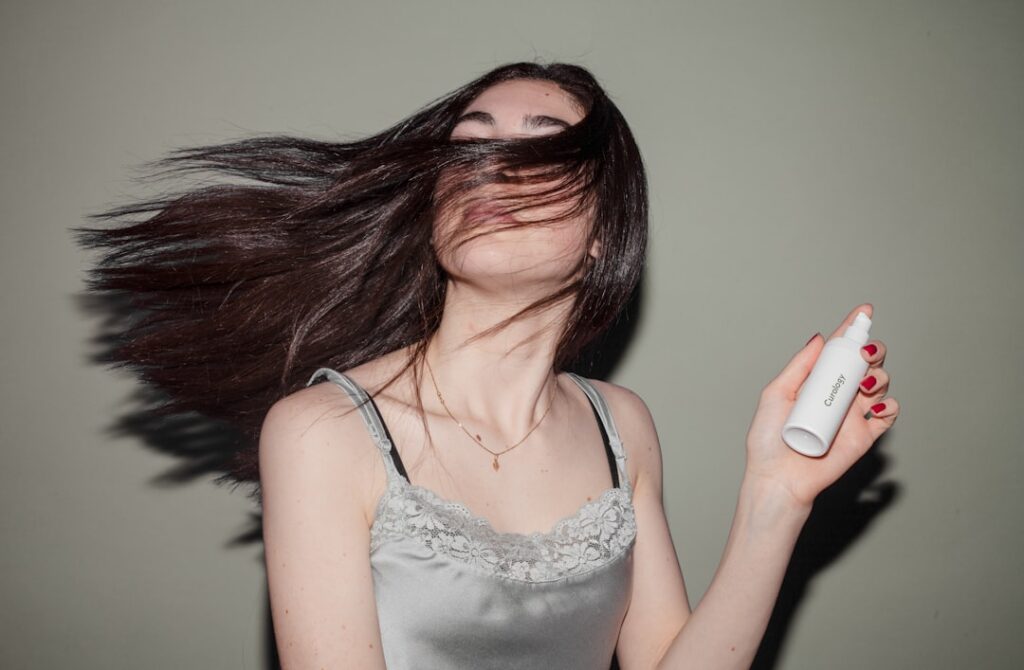
Hair loss is a concern that affects many women at various stages of life, and it can be a deeply emotional experience. You may find yourself feeling frustrated or anxious as you notice thinning hair or patches of scalp that were once covered by a full head of hair. Understanding the nature of women’s hair loss is the first step toward addressing it effectively.
Unlike men, who often experience male-pattern baldness, women typically face different patterns of hair thinning, which can be diffuse or localized. This distinction is crucial because it influences the treatment options available to you. As you delve deeper into the subject, you may discover that hair loss in women can be a complex issue influenced by a myriad of factors.
It’s not just about genetics; hormonal changes, stress, and nutritional deficiencies can all play significant roles. You might find it helpful to recognize that hair loss is not merely a cosmetic issue but can also be a reflection of your overall health. By understanding the underlying causes, you can take proactive steps to manage and potentially reverse the effects of hair loss.
Key Takeaways
- Women’s hair loss can be caused by a variety of factors including genetics, hormonal changes, and stress.
- Common causes of women’s hair loss include hormonal imbalances, nutritional deficiencies, and certain medical conditions.
- Health supplements can play a role in treating women’s hair loss by providing essential nutrients and promoting overall hair health.
- Essential nutrients for healthy hair growth include biotin, vitamin D, iron, and omega-3 fatty acids.
- When choosing health supplements for women’s hair loss, it’s important to consider the ingredients, dosage, and potential interactions with other medications.
Common Causes of Women’s Hair Loss
When it comes to the causes of hair loss in women, there are several common culprits that you should be aware of. One of the most prevalent causes is hormonal changes, particularly those related to pregnancy, menopause, or conditions like polycystic ovary syndrome (PCOS). If you’ve recently gone through significant hormonal shifts, you may notice changes in your hair density and texture.
This type of hair loss is often temporary, but understanding its connection to hormonal fluctuations can help you manage your expectations and seek appropriate treatments. Another significant factor contributing to hair loss is stress. You may have experienced periods of intense stress due to work, personal relationships, or other life events, and this can lead to a condition known as telogen effluvium.
This condition causes hair follicles to enter a resting phase prematurely, resulting in noticeable shedding. Recognizing the impact of stress on your hair health can motivate you to adopt stress-reduction techniques such as mindfulness, yoga, or regular exercise, which can ultimately benefit both your mental well-being and your hair.
The Role of Health Supplements in Treating Women’s Hair Loss

As you explore solutions for hair loss, health supplements may come up as a viable option. These supplements are designed to provide your body with essential nutrients that may be lacking in your diet, which can contribute to healthier hair growth. You might find that incorporating specific vitamins and minerals into your routine can help strengthen your hair follicles and promote overall scalp health.
However, it’s essential to approach this option with an informed mindset. While health supplements can be beneficial, they are not a one-size-fits-all solution. You should consider your individual needs and consult with a healthcare professional before starting any new supplement regimen.
This step ensures that you choose products that are safe and effective for your specific situation. Additionally, understanding the role of supplements in conjunction with other treatments—such as topical solutions or lifestyle changes—can provide a more comprehensive approach to managing hair loss.
Essential Nutrients for Healthy Hair Growth
To support healthy hair growth, certain nutrients play a pivotal role that you should not overlook. Biotin, for instance, is often hailed as a miracle worker for hair health. This B-vitamin helps convert food into energy and is crucial for the production of keratin, a protein that makes up your hair.
If you’re considering supplements, look for those that contain biotin as one of their key ingredients. You may also want to include biotin-rich foods in your diet, such as eggs, nuts, and whole grains. Another essential nutrient is iron, which is vital for transporting oxygen to your hair follicles.
A deficiency in iron can lead to increased hair shedding and thinning. If you suspect that your diet may be lacking in iron-rich foods like spinach, lentils, and red meat, it might be worth considering an iron supplement after consulting with a healthcare provider. Additionally, omega-3 fatty acids are known for their anti-inflammatory properties and can help nourish the scalp while promoting healthy hair growth.
Incorporating sources like fish or flaxseed oil into your diet can provide these beneficial fats.
Choosing the Right Health Supplements for Women’s Hair Loss
When it comes to selecting health supplements for hair loss, the options can be overwhelming. You may find yourself standing in front of shelves filled with various products claiming to promote hair growth. To make an informed choice, start by looking for supplements specifically formulated for women’s hair health.
These products often contain a blend of vitamins and minerals tailored to address common deficiencies that affect women. Reading labels is crucial; look for supplements that include ingredients like biotin, zinc, iron, and vitamins A and D. Additionally, consider the form of the supplement—whether it’s a capsule, gummy, or powder—and choose one that fits seamlessly into your daily routine.
It’s also wise to check for third-party testing or certifications to ensure the product’s quality and efficacy. By taking these steps, you can feel more confident in your choice and its potential impact on your hair health.
Potential Side Effects and Risks of Health Supplements for Women’s Hair Loss

While health supplements can offer benefits for hair growth, it’s essential to be aware of potential side effects and risks associated with their use. You might experience mild side effects such as digestive discomfort or allergic reactions depending on the ingredients in the supplement. For instance, some individuals may find that high doses of certain vitamins lead to nausea or headaches.
It’s important to start with lower doses and monitor how your body responds before increasing your intake. Moreover, excessive consumption of certain nutrients can lead to toxicity. For example, too much vitamin A can cause serious health issues, including liver damage and vision problems.
Therefore, consulting with a healthcare professional before starting any new supplement regimen is crucial to ensure you’re taking safe dosages tailored to your individual needs. By being informed about potential risks, you can make better decisions regarding your health and well-being.
Tips for Incorporating Health Supplements into a Hair Care Routine
Incorporating health supplements into your daily routine doesn’t have to be complicated; with a few simple strategies, you can make it a seamless part of your hair care regimen. One effective approach is to set a specific time each day for taking your supplements—perhaps alongside breakfast or dinner—to create consistency in your routine. This habit will help you remember to take them regularly and maximize their benefits over time.
Additionally, consider pairing your supplements with other healthy habits that promote hair growth. For instance, maintaining a balanced diet rich in fruits, vegetables, lean proteins, and healthy fats will complement the effects of the supplements you’re taking. Staying hydrated is also essential; drinking plenty of water supports overall health and helps keep your scalp hydrated as well.
By integrating these practices into your lifestyle, you’ll create an environment conducive to healthy hair growth.
Consultation with a Healthcare Professional for Women’s Hair Loss Treatment
Finally, one of the most important steps you can take when dealing with hair loss is consulting with a healthcare professional. Whether it’s a dermatologist or a nutritionist specializing in hair health, seeking expert advice can provide you with personalized recommendations tailored to your unique situation. During this consultation, you’ll have the opportunity to discuss your symptoms, medical history, and any concerns you may have about potential treatments.
A healthcare professional can also help identify any underlying conditions contributing to your hair loss and recommend appropriate tests if necessary. They may suggest lifestyle changes or specific treatments beyond supplements that could be beneficial for you. By taking this proactive approach and working closely with an expert, you’ll be better equipped to navigate the complexities of women’s hair loss and find effective solutions that work for you.
In conclusion, understanding women’s hair loss involves recognizing its various causes and exploring potential treatments like health supplements. By focusing on essential nutrients and making informed choices about supplementation while consulting healthcare professionals when needed, you can take meaningful steps toward achieving healthier hair growth and restoring your confidence.
If you are looking for more information on essential fatty acids and how they can benefit your overall health, you may want to check out this article on Essential Fatty Acids: Omega-3 & Omega-6. Understanding the importance of these nutrients can help you make informed decisions when choosing supplements for women’s hair loss. Additionally, it is crucial to be aware of potential side effects and precautions when taking health supplements. To learn more about this topic, you can read the article on Potential Side Effects and Precautions. Lastly, if you are unsure about how to select the right supplements for your specific needs, be sure to read the article on How to Choose the Right Supplements for Your Needs for helpful tips and guidance.
FAQs
What are health supplements for women’s hair loss?
Health supplements for women’s hair loss are products that contain vitamins, minerals, and other nutrients that are believed to support hair health and growth. These supplements are often taken in addition to a balanced diet to help address hair loss and promote hair growth.
What are some common ingredients in health supplements for women’s hair loss?
Common ingredients in health supplements for women’s hair loss include biotin, vitamin D, iron, zinc, and other vitamins and minerals that are believed to support hair health. Some supplements also contain herbal extracts such as saw palmetto and horsetail, which are thought to have hair-boosting properties.
Are health supplements for women’s hair loss effective?
The effectiveness of health supplements for women’s hair loss can vary from person to person. While some individuals may experience improvements in hair health and growth after taking these supplements, others may not see significant results. It’s important to consult with a healthcare professional before starting any new supplement regimen.
Are there any potential side effects of health supplements for women’s hair loss?
Some health supplements for women’s hair loss may cause side effects such as digestive discomfort, allergic reactions, or interactions with medications. It’s important to carefully read the label and consult with a healthcare professional before taking any new supplement, especially if you have any underlying health conditions or are taking medications.
Can health supplements for women’s hair loss replace a healthy diet?
Health supplements for women’s hair loss are not intended to replace a healthy diet. While they can provide additional nutrients that may support hair health, it’s important to maintain a balanced diet that includes a variety of vitamins, minerals, and other essential nutrients for overall health and well-being.