Glutathione is a powerful antioxidant that plays a crucial role in maintaining your overall health. It is a tripeptide composed of three amino acids: cysteine, glutamine, and glycine. This unique structure allows glutathione to perform a variety of functions within your body, including detoxification, immune system support, and the protection of cells from oxidative stress.
As you navigate through daily life, your body is constantly exposed to toxins, pollutants, and free radicals that can cause cellular damage. Glutathione acts as a shield, neutralizing these harmful substances and helping to maintain cellular integrity. Moreover, glutathione is essential for the proper functioning of various bodily processes.
It aids in the synthesis of DNA, the production of proteins, and the regulation of cellular metabolism. When your glutathione levels are optimal, you may experience increased energy levels, improved immune function, and enhanced overall well-being. However, factors such as poor diet, stress, aging, and environmental toxins can deplete your glutathione levels, making it vital to understand how to support its production through dietary choices.
Key Takeaways
- Glutathione is a powerful antioxidant that plays a crucial role in protecting the body from oxidative stress and supporting the immune system.
- Foods rich in sulfur, such as garlic, onions, and cruciferous vegetables, can help boost glutathione production in the body.
- Antioxidant-rich foods like berries, spinach, and nuts can help increase glutathione levels by reducing oxidative stress and supporting its synthesis.
- Protein-rich foods like fish, poultry, and legumes provide the amino acids necessary for glutathione synthesis in the body.
- Vitamin C and E are essential for maintaining optimal glutathione levels, as they help recycle and regenerate glutathione in the body.
Foods Rich in Sulphur for Glutathione Production
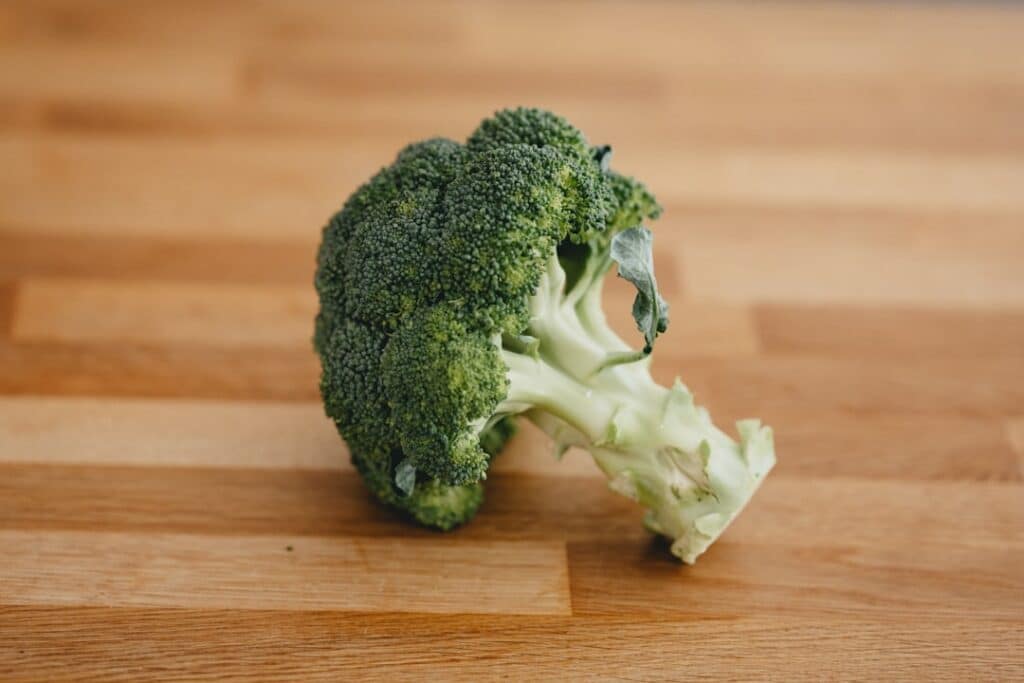
To boost your body’s glutathione levels effectively, incorporating foods rich in sulfur into your diet is essential. Sulfur is a key component in the synthesis of glutathione, and foods that are high in this mineral can significantly enhance its production. Cruciferous vegetables such as broccoli, Brussels sprouts, and kale are excellent sources of sulfur.
These vegetables not only provide the necessary building blocks for glutathione but also contain other beneficial compounds that support detoxification processes. In addition to cruciferous vegetables, allium vegetables like garlic and onions are also rich in sulfur. These flavorful additions to your meals not only enhance taste but also contribute to your body’s ability to produce glutathione.
By including a variety of sulfur-rich foods in your diet, you can create a solid foundation for optimal glutathione levels, which can lead to improved health outcomes and increased resilience against oxidative stress.
The Role of Antioxidant-Rich Foods in Boosting Glutathione Levels

Antioxidant-rich foods play a significant role in supporting and enhancing your body’s glutathione levels. These foods help combat oxidative stress by neutralizing free radicals and reducing the burden on your antioxidant defense system. Fruits and vegetables that are high in vitamins A, C, and E are particularly beneficial in this regard.
For instance, berries such as blueberries and strawberries are packed with antioxidants that not only protect your cells but also promote the regeneration of glutathione. Incorporating a colorful array of fruits and vegetables into your meals can provide a diverse range of antioxidants that work synergistically to boost glutathione levels. Citrus fruits like oranges and grapefruits are excellent sources of vitamin C, which has been shown to enhance glutathione synthesis.
By prioritizing antioxidant-rich foods in your diet, you can create an environment that supports optimal glutathione production and overall health.
Incorporating Protein-Rich Foods for Glutathione Synthesis
Protein-rich foods are another essential component for supporting glutathione synthesis in your body. Amino acids are the building blocks of proteins, and certain amino acids—particularly cysteine—are crucial for the production of glutathione. Foods such as lean meats, fish, eggs, legumes, and dairy products provide the necessary amino acids that contribute to glutathione synthesis.
By ensuring you consume adequate protein in your diet, you can support your body’s ability to produce this vital antioxidant. Additionally, plant-based protein sources like quinoa, lentils, and chickpeas can also be beneficial for glutathione production. These foods not only provide essential amino acids but also come packed with other nutrients that support overall health.
By diversifying your protein sources and including both animal and plant-based options, you can create a balanced diet that promotes optimal glutathione levels while catering to your personal dietary preferences.
The Impact of Vitamin C and E on Glutathione Levels
Vitamins C and E are well-known antioxidants that play a pivotal role in supporting your body’s overall antioxidant defense system. These vitamins not only help protect cells from oxidative damage but also have a direct impact on glutathione levels. Vitamin C has been shown to regenerate oxidized glutathione back into its active form, thereby enhancing its availability for cellular protection.
Including vitamin C-rich foods such as citrus fruits, bell peppers, and kiwi in your diet can significantly contribute to maintaining healthy glutathione levels. Similarly, vitamin E works synergistically with glutathione by protecting cell membranes from oxidative stress. Foods rich in vitamin E include nuts, seeds, and green leafy vegetables.
By ensuring you consume adequate amounts of both vitamins C and E through a varied diet, you can create an environment that supports optimal glutathione production and enhances your body’s ability to combat oxidative stress effectively.
Herbs and Spices That Support Glutathione Production

In addition to whole foods, certain herbs and spices can also play a significant role in supporting glutathione production within your body. Turmeric is one such spice that has gained popularity for its numerous health benefits. Curcumin, the active compound in turmeric, has been shown to enhance glutathione levels while providing anti-inflammatory properties.
Incorporating turmeric into your meals or enjoying it as a tea can be an excellent way to support your body’s antioxidant defenses. Another herb worth mentioning is milk thistle, which contains silymarin—a compound known for its liver-protective properties. The liver is a critical organ for detoxification and plays a vital role in maintaining healthy glutathione levels.
By including herbs like milk thistle in your wellness routine or as part of herbal teas or supplements, you can further support your body’s ability to produce this essential antioxidant.
The Benefits of Consuming Foods High in Selenium for Glutathione
Selenium is a trace mineral that plays an important role in supporting glutathione production within your body. It acts as a cofactor for the enzyme glutathione peroxidase, which is crucial for the antioxidant activity of glutathione. Foods high in selenium include Brazil nuts, seafood, eggs, and whole grains.
By incorporating these selenium-rich foods into your diet, you can enhance your body’s ability to produce and utilize glutathione effectively. Moreover, selenium has been linked to various health benefits beyond its role in glutathione production. It supports immune function, promotes thyroid health, and may even have protective effects against certain chronic diseases.
By ensuring you consume adequate selenium through dietary sources or supplements if necessary, you can further bolster your body’s antioxidant defenses while reaping additional health benefits.
Tips for Including Glutathione-Boosting Foods in Your Diet
Incorporating glutathione-boosting foods into your daily diet doesn’t have to be complicated or overwhelming. Start by making small changes to your meals—add a serving of cruciferous vegetables to your lunch or dinner or sprinkle some turmeric on your favorite dishes for an extra health boost. Experiment with different recipes that highlight antioxidant-rich fruits and vegetables; smoothies packed with berries or salads loaded with colorful veggies can be both delicious and nutritious.
Additionally, consider meal prepping to ensure you always have healthy options on hand. Preparing meals in advance allows you to include a variety of protein sources—both animal and plant-based—while ensuring you have plenty of sulfur-rich foods available throughout the week. Lastly, don’t forget about snacks!
Opt for nuts or seeds high in selenium or enjoy fresh fruit as a quick pick-me-up between meals. By making these simple adjustments to your diet, you can effectively support your body’s glutathione production and enhance your overall health and well-being.
If you’re interested in learning more about the benefits of nutritional supplements, check out this article on Health Nutrition Supplements. It provides valuable information on how to choose the right supplements for your specific needs, which can be a great complement to incorporating foods that naturally increase your glutathione levels. Additionally, understanding the importance of iron in your diet, as discussed in this article, can also play a role in supporting overall health and wellness.
FAQs
What is glutathione and why is it important for the body?
Glutathione is a powerful antioxidant that is naturally produced in the body. It plays a crucial role in protecting cells from oxidative stress and maintaining overall health.
What are the benefits of increasing glutathione levels in the body?
Increasing glutathione levels in the body can help boost the immune system, improve detoxification, reduce inflammation, and protect against chronic diseases such as cancer, heart disease, and neurodegenerative disorders.
What are some foods that can naturally increase glutathione levels?
Some foods that can naturally increase glutathione levels in the body include asparagus, avocados, spinach, broccoli, garlic, turmeric, walnuts, and citrus fruits such as oranges and grapefruits.
Are there any lifestyle factors that can help increase glutathione levels?
Yes, regular exercise, reducing stress, getting enough sleep, and avoiding excessive alcohol consumption can all help increase glutathione levels in the body.
Can glutathione levels be increased through supplementation?
Yes, glutathione supplements are available, but it is important to consult with a healthcare professional before taking them, as the body’s ability to absorb oral glutathione supplements is limited.
Are there any potential side effects of increasing glutathione levels?
While increasing glutathione levels through natural means such as diet and lifestyle changes is generally safe, taking high doses of glutathione supplements may cause side effects such as abdominal pain, bloating, and allergic reactions.
Can certain cooking methods affect the glutathione content of foods?
Yes, cooking methods such as steaming and microwaving can help preserve the glutathione content of foods, while boiling and frying may lead to a loss of glutathione.
Are there any medical conditions that may lead to low glutathione levels?
Yes, certain medical conditions such as HIV/AIDS, diabetes, and liver disease can lead to low glutathione levels in the body.
Can glutathione levels decrease with age?
Yes, glutathione levels naturally decrease with age, which is why it is important to focus on maintaining a healthy diet and lifestyle to support optimal glutathione levels as we get older.
Is it possible to test glutathione levels in the body?
Yes, there are tests available to measure glutathione levels in the body, such as blood tests and urine tests. These tests can provide valuable information about an individual’s antioxidant status and overall health.