
Prednisone is a synthetic corticosteroid that is commonly prescribed to manage a variety of inflammatory conditions, such as arthritis, asthma, and autoimmune diseases. As you may know, it works by suppressing the immune system and reducing inflammation, which can provide significant relief from symptoms. However, while prednisone can be effective in treating these conditions, it is not without its drawbacks.
You might experience a range of side effects, some of which can be quite serious. Common side effects include weight gain, mood swings, and increased appetite, which can be particularly challenging to manage over time. In addition to these more common effects, long-term use of prednisone can lead to more severe complications.
You may find yourself at an increased risk for infections due to the immunosuppressive nature of the drug. Other potential side effects include osteoporosis, high blood pressure, and diabetes. It’s essential to be aware of these risks as you navigate your treatment options.
Understanding the implications of prednisone use can empower you to make informed decisions about your health and explore alternative therapies that may mitigate the need for such medications.
Key Takeaways
- Prednisone is a corticosteroid medication that can effectively reduce inflammation but may also cause side effects such as weight gain, mood changes, and increased risk of infection.
- Natural anti-inflammatory foods and supplements like turmeric, ginger, and omega-3 fatty acids can help reduce inflammation in the body.
- Herbal remedies such as boswellia, devil’s claw, and white willow bark have been used for centuries to alleviate inflammation and pain.
- Lifestyle changes such as regular exercise, stress management, and a healthy diet can help reduce chronic inflammation in the body.
- Alternative therapies like acupuncture, massage therapy, and chiropractic care can provide relief from inflammation and pain.
- Mind-body techniques such as meditation, yoga, and deep breathing exercises can help manage inflammation by reducing stress and promoting relaxation.
- It’s important to consider potential risks and interactions of natural alternatives, especially if you are taking other medications or have underlying health conditions.
- Consultation with healthcare professionals is crucial to determine the most effective and safe options for managing inflammation based on individual needs and health status.
Natural Anti-Inflammatory Foods and Supplements
Natural Anti-Inflammatory Foods
Certain foods are known for their ability to combat inflammation and promote overall health. For instance, fatty fish like salmon and mackerel are rich in omega-3 fatty acids, which have been shown to reduce inflammation in the body. Including these types of fish in your meals a few times a week can be a delicious way to support your health.
Fruits and Vegetables High in Antioxidants
Additionally, you may want to explore the benefits of fruits and vegetables that are high in antioxidants. Berries, leafy greens, and cruciferous vegetables like broccoli and Brussels sprouts are excellent choices. These foods not only provide essential nutrients but also help combat oxidative stress, which is often linked to chronic inflammation.
Supplements with Anti-Inflammatory Properties
You might also consider supplements such as curcumin, found in turmeric, or ginger extract, both of which have demonstrated anti-inflammatory properties. By making these dietary changes, you can create a powerful foundation for reducing inflammation naturally.
Herbal Remedies for Inflammation
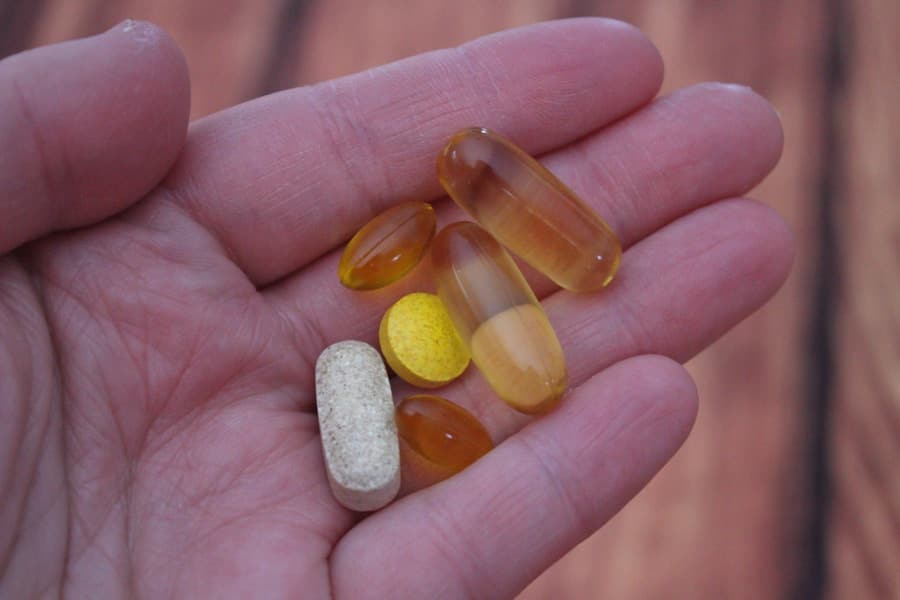
Herbal remedies have been used for centuries to address various health issues, including inflammation. If you’re looking for natural alternatives to prednisone, you might find that certain herbs can offer significant relief. For example, boswellia serrata, also known as Indian frankincense, has been shown to reduce inflammation and improve joint function in individuals with arthritis.
Incorporating boswellia supplements into your routine could be a beneficial step toward managing your symptoms. Another herb worth considering is willow bark, which has been used traditionally for pain relief and inflammation reduction. It contains salicin, a compound similar to aspirin, and may help alleviate discomfort associated with inflammatory conditions.
You might also explore the benefits of green tea, which is rich in polyphenols that have anti-inflammatory effects. By integrating these herbal remedies into your daily regimen, you can harness the power of nature to support your body’s healing processes.
Lifestyle Changes to Reduce Inflammation
Making lifestyle changes can play a crucial role in managing inflammation effectively. You may want to start by evaluating your physical activity levels. Regular exercise has been shown to reduce inflammation and improve overall health.
Engaging in activities such as walking, swimming, or yoga can help you maintain a healthy weight and improve circulation, both of which are essential for reducing inflammation. In addition to exercise, consider the impact of stress on your body. Chronic stress can exacerbate inflammation, so finding ways to manage stress is vital.
You might explore mindfulness practices such as meditation or deep-breathing exercises to help calm your mind and body. Furthermore, ensuring you get adequate sleep is essential for recovery and overall well-being. By prioritizing these lifestyle changes, you can create an environment that supports your body’s natural ability to heal and reduce inflammation.
Alternative Therapies for Inflammation
As you explore options beyond traditional medications like prednisone, alternative therapies may offer additional avenues for managing inflammation. Acupuncture is one such therapy that has gained popularity for its potential to alleviate pain and reduce inflammation. By stimulating specific points on the body, acupuncture may help restore balance and promote healing.
If you’re open to trying new approaches, seeking out a qualified acupuncturist could be a worthwhile investment in your health. Another alternative therapy to consider is chiropractic care. Chiropractors focus on aligning the spine and improving overall body function, which can lead to reduced inflammation and pain relief.
Regular adjustments may help improve mobility and enhance your body’s natural healing processes. Additionally, massage therapy can provide relief from muscle tension and promote relaxation, further supporting your efforts to manage inflammation naturally.
Mind-Body Techniques for Managing Inflammation

Enhancing Physical and Mental Well-being
You might find that incorporating a regular yoga practice into your routine not only enhances your physical well-being but also contributes positively to your mental health. Furthermore, visualization techniques can be beneficial in managing inflammation. By imagining your body healing and visualizing the reduction of inflammation, you may create a positive mindset that supports your overall health journey.
Finding Emotional Relief and Support
Journaling about your experiences or participating in support groups can also provide emotional relief and foster connections with others who understand what you’re going through.
Cultivating a Holistic Approach
By embracing these mind-body techniques, you can cultivate a holistic approach to managing inflammation.
Potential Risks and Considerations of Natural Alternatives
While exploring natural alternatives to prednisone can be empowering, it’s essential to remain aware of potential risks and considerations associated with these options. Not all natural remedies are safe or effective for everyone; individual responses can vary significantly. For instance, some herbal supplements may interact with medications you are currently taking or exacerbate existing health conditions.
It’s crucial to do thorough research and consult with healthcare professionals before introducing new supplements or remedies into your routine. Additionally, relying solely on natural alternatives without proper guidance may lead to inadequate management of your condition. While many natural remedies can provide relief, they should not replace conventional treatments without careful consideration and professional advice.
Balancing natural approaches with medical guidance ensures that you are taking a comprehensive approach to managing inflammation while minimizing potential risks.
Consultation with Healthcare Professionals for Individualized Options
As you navigate the complexities of managing inflammation and considering alternatives to prednisone, consulting with healthcare professionals is vital for personalized guidance. Your doctor or a registered dietitian can help assess your specific needs and recommend appropriate dietary changes or supplements tailored to your situation. They can also monitor your progress and adjust treatment plans as necessary.
Moreover, working with specialists such as naturopaths or integrative medicine practitioners can provide additional insights into holistic approaches that align with your health goals. These professionals can help you create a comprehensive plan that incorporates both conventional treatments and natural alternatives while ensuring safety and efficacy. By collaborating with healthcare experts, you empower yourself with knowledge and support on your journey toward better health and reduced inflammation.
In conclusion, understanding the implications of prednisone use opens the door for exploring various natural alternatives for managing inflammation effectively. From dietary changes to herbal remedies and lifestyle modifications, there are numerous avenues available for you to consider. However, it’s essential to approach these options thoughtfully and consult with healthcare professionals who can guide you toward individualized solutions that best suit your needs.
By taking proactive steps toward managing inflammation holistically, you can enhance your quality of life while minimizing reliance on medications like prednisone.
If you are interested in learning more about how nutrition can work in the body to reduce inflammation naturally, check out this informative article here. It provides valuable insights into the role of nutrition in managing inflammation and promoting overall health. Additionally, if you are considering alternative options to Prednisone, it is important to be aware of potential side effects and precautions. You can find more information on this topic in the article here. Lastly, if you are looking for supplements to support muscle building and sports performance, be sure to read this article here. It offers recommendations for safe and effective supplements to enhance your athletic performance.
FAQs
What is prednisone and why are alternative options sought?
Prednisone is a synthetic corticosteroid drug that is commonly used to reduce inflammation in the body. However, due to its potential side effects and long-term health risks, many people seek alternative options to reduce inflammation naturally.
What are some natural alternatives to prednisone for reducing inflammation?
Some natural alternatives to prednisone for reducing inflammation include turmeric, ginger, omega-3 fatty acids, green tea, bromelain, and boswellia. These natural remedies have anti-inflammatory properties and can help reduce inflammation in the body.
How can diet and lifestyle changes help reduce inflammation?
Making dietary changes such as reducing the consumption of processed foods, sugar, and refined carbohydrates, and increasing the intake of fruits, vegetables, and healthy fats can help reduce inflammation in the body. Additionally, regular exercise, stress management, and adequate sleep can also play a role in reducing inflammation.
Are there any supplements that can help reduce inflammation naturally?
Yes, there are several supplements that have been shown to have anti-inflammatory properties, including fish oil, curcumin, resveratrol, and quercetin. These supplements can help reduce inflammation and support overall health.
What are some natural topical treatments for inflammation?
Natural topical treatments for inflammation include arnica, capsaicin, and essential oils such as lavender, chamomile, and peppermint. These topical treatments can be applied directly to the affected area to help reduce inflammation and provide relief.