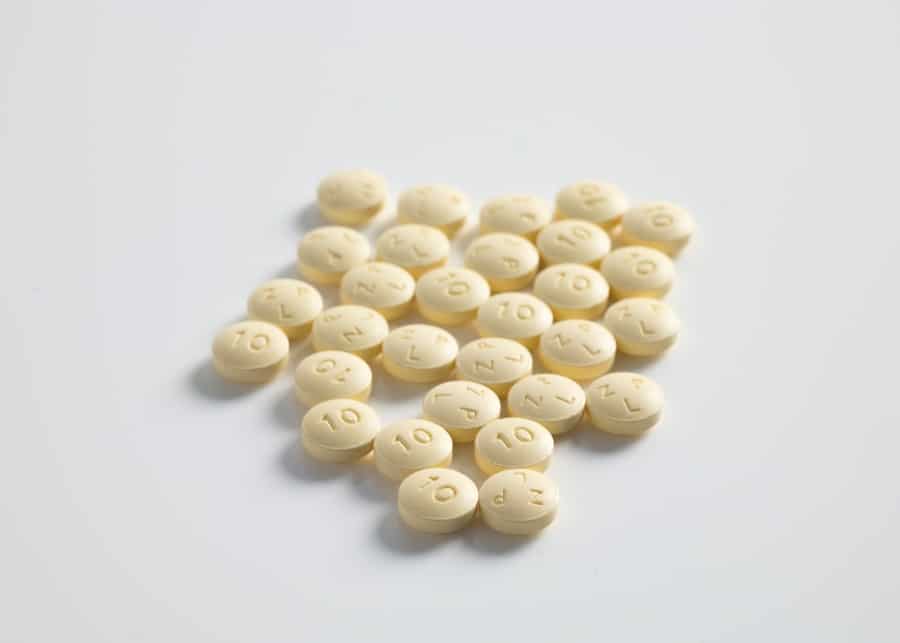
Suboxone is a medication that has gained significant attention in the realm of opioid addiction treatment. It combines buprenorphine, a partial opioid agonist, with naloxone, an opioid antagonist. This unique combination helps to alleviate withdrawal symptoms and cravings while minimizing the risk of misuse.
As you navigate the complexities of opioid recovery, it’s essential to understand not only how Suboxone works but also the alternatives available to you. Each option has its own set of benefits and challenges, and being informed can empower you to make the best choice for your recovery journey. In recent years, the opioid crisis has prompted a surge in research and development of various treatment modalities.
While Suboxone remains a popular choice, it is not the only option on the table. Alternatives such as buprenorphine alone, naltrexone, Vivitrol, and methadone offer different mechanisms of action and may suit your individual needs better. Understanding these alternatives can provide you with a broader perspective on your treatment options, allowing you to engage in a more personalized approach to recovery.
Key Takeaways
- Suboxone is a commonly prescribed medication for opioid addiction, but there are alternative options available.
- Seeking medical advice is crucial for effective opioid recovery, as healthcare professionals can provide personalized treatment plans and monitor progress.
- Buprenorphine is a widely recommended alternative to Suboxone, offering similar benefits in managing opioid withdrawal and cravings.
- Naltrexone is another effective option for opioid recovery, working by blocking the effects of opioids and reducing cravings.
- Vivitrol is a long-acting injectable option for opioid addiction, providing extended release of medication to support recovery.
The Importance of Seeking Medical Advice for Opioid Recovery
Comprehensive Evaluation for Effective Treatment
This thorough evaluation is vital in determining the most effective treatment plan tailored to your needs. Moreover, medical professionals can walk you through the various treatment options available, including medications like Suboxone and its alternatives. They can help you weigh the pros and cons of each option, ensuring that you are fully informed before making any decisions.
Open Dialogue for Collaborative Recovery
Engaging in open dialogue with your healthcare provider allows you to express your concerns and preferences, fostering a collaborative approach to your recovery. Remember, you are not alone in this journey; seeking professional guidance is a vital step toward reclaiming your life from addiction.
Reclaiming Your Life from Addiction
Seeking medical guidance is essential in overcoming opioid addiction. By working together with a healthcare professional, you can take back control of your life and start your journey toward a healthier, happier you.
Buprenorphine: A Commonly Recommended Suboxone Alternative

Buprenorphine is often recommended as a standalone alternative to Suboxone for those seeking treatment for opioid addiction. As a partial agonist, buprenorphine binds to the same receptors in the brain as other opioids but produces a milder effect. This characteristic makes it an effective option for managing withdrawal symptoms and cravings without the intense highs associated with full agonists like heroin or prescription painkillers.
If you find that Suboxone isn’t the right fit for you, discussing buprenorphine with your healthcare provider could be a beneficial step. One of the advantages of buprenorphine is its lower potential for misuse compared to full agonist opioids. This makes it a safer choice for many individuals in recovery.
Additionally, buprenorphine can be prescribed in various forms, including sublingual tablets and films, which can enhance convenience and adherence to treatment. However, it’s essential to recognize that while buprenorphine can be effective, it may not be suitable for everyone. Your healthcare provider will consider factors such as your medical history and personal preferences when recommending this option.
Naltrexone: Another Effective Option for Opioid Recovery
Naltrexone is another medication that has shown promise in treating opioid addiction. Unlike buprenorphine and Suboxone, which are used to manage withdrawal symptoms, naltrexone works by blocking the effects of opioids altogether. This means that if you were to use opioids while on naltrexone, you would not experience the euphoric effects typically associated with them.
This mechanism can serve as a powerful deterrent against relapse, making naltrexone an appealing option for some individuals. Naltrexone is available in both oral and injectable forms, providing flexibility based on your lifestyle and treatment preferences. The injectable form, known as Vivitrol, offers the added benefit of long-acting protection against opioid use for up to a month after administration.
This can be particularly advantageous for those who may struggle with adherence to daily medication regimens. However, it’s crucial to discuss with your healthcare provider whether naltrexone is appropriate for you, especially if you have recently used opioids or are experiencing withdrawal symptoms.
Vivitrol: A Long-Acting Injectable Option for Opioid Addiction
Vivitrol represents a significant advancement in the treatment of opioid addiction due to its long-acting formulation. Administered as an injection once a month, Vivitrol provides sustained protection against opioid cravings and relapse without requiring daily dosing. This can be particularly beneficial for individuals who may find it challenging to remember to take oral medications consistently.
The convenience of Vivitrol allows you to focus more on your recovery journey rather than managing daily medication schedules. However, while Vivitrol offers many advantages, it’s essential to approach this treatment option with caution. Before starting Vivitrol, you must be opioid-free for at least seven to ten days to avoid precipitating withdrawal symptoms.
This requirement underscores the importance of working closely with your healthcare provider during this transition period. They can help monitor your progress and ensure that Vivitrol is administered safely and effectively as part of your overall recovery plan.
Methadone: A Traditional Medication for Opioid Maintenance Therapy

Methadone has been a cornerstone of opioid maintenance therapy for decades. As a full agonist, methadone works by activating the same receptors in the brain as other opioids but does so in a controlled manner that helps stabilize individuals in recovery. For many people struggling with severe opioid dependence, methadone can provide significant relief from withdrawal symptoms and cravings, allowing them to regain control over their lives.
One of the key aspects of methadone treatment is that it is typically administered through specialized clinics under strict regulations. This structured approach ensures that individuals receive comprehensive support throughout their recovery process. While methadone can be highly effective for some, it’s important to recognize that it may not be suitable for everyone due to its potential for misuse and dependence.
Engaging in an open conversation with your healthcare provider about your specific circumstances will help determine if methadone is the right choice for you.
The Role of Counseling and Therapy in Opioid Recovery
While medications play a crucial role in managing opioid addiction, they are most effective when combined with counseling and therapy. Engaging in therapeutic interventions can provide you with valuable tools and coping strategies to address the underlying issues contributing to your substance use. Whether through individual therapy, group counseling, or family therapy, these sessions create a supportive environment where you can explore your thoughts and feelings related to addiction.
Counseling also offers an opportunity for personal growth and self-discovery during your recovery journey. You may find that addressing past traumas or developing healthier coping mechanisms significantly enhances your ability to maintain sobriety. Additionally, therapy can help strengthen your support network by fostering connections with others who understand your struggles.
By integrating counseling into your treatment plan alongside medication, you are taking a holistic approach that addresses both the physical and emotional aspects of recovery.
Making an Informed Decision About the Best Suboxone Alternative
As you consider your options for opioid recovery, making an informed decision about the best alternative to Suboxone is essential. Each medication has its unique benefits and potential drawbacks, so it’s crucial to weigh these factors carefully in consultation with your healthcare provider. Take the time to discuss your preferences, lifestyle considerations, and any concerns you may have about specific treatments.
Ultimately, the goal is to find a solution that aligns with your individual needs and supports your long-term recovery journey. Remember that recovery is not a one-size-fits-all process; what works for one person may not work for another. By actively participating in discussions about your treatment options and remaining open to exploring various alternatives, you empower yourself to take charge of your recovery path and build a healthier future free from opioid dependence.
If you are considering alternative options for opioid recovery, you may also be interested in exploring the benefits of taking supplements. According to Health Nutrition Supplements, supplements can play a crucial role in supporting your overall health and well-being during the recovery process. Whether you have specific dietary restrictions like being gluten-free or lactose-free, there are supplements available to meet your needs. To learn more about the importance of supplements and how they can aid in your recovery journey, visit Health Nutrition Supplements.
FAQs
What is Suboxone?
Suboxone is a prescription medication used to treat opioid addiction. It contains a combination of buprenorphine and naloxone, which work together to reduce cravings and withdrawal symptoms.
What are the common side effects of Suboxone?
Common side effects of Suboxone may include nausea, vomiting, constipation, headache, and insomnia. It can also cause dizziness and drowsiness.
What are some alternatives to Suboxone for opioid recovery?
Some alternatives to Suboxone for opioid recovery include methadone, naltrexone, and Vivitrol. These medications work in different ways to help manage opioid addiction.
What is the best Suboxone alternative recommended by doctors?
The best Suboxone alternative recommended by doctors may vary depending on the individual’s specific needs and medical history. It is important to consult with a healthcare professional to determine the most suitable alternative for opioid recovery.
Are there non-medication alternatives for opioid recovery?
Yes, there are non-medication alternatives for opioid recovery, such as counseling, support groups, and behavioral therapies. These can be used in combination with medication or as standalone treatments for opioid addiction.