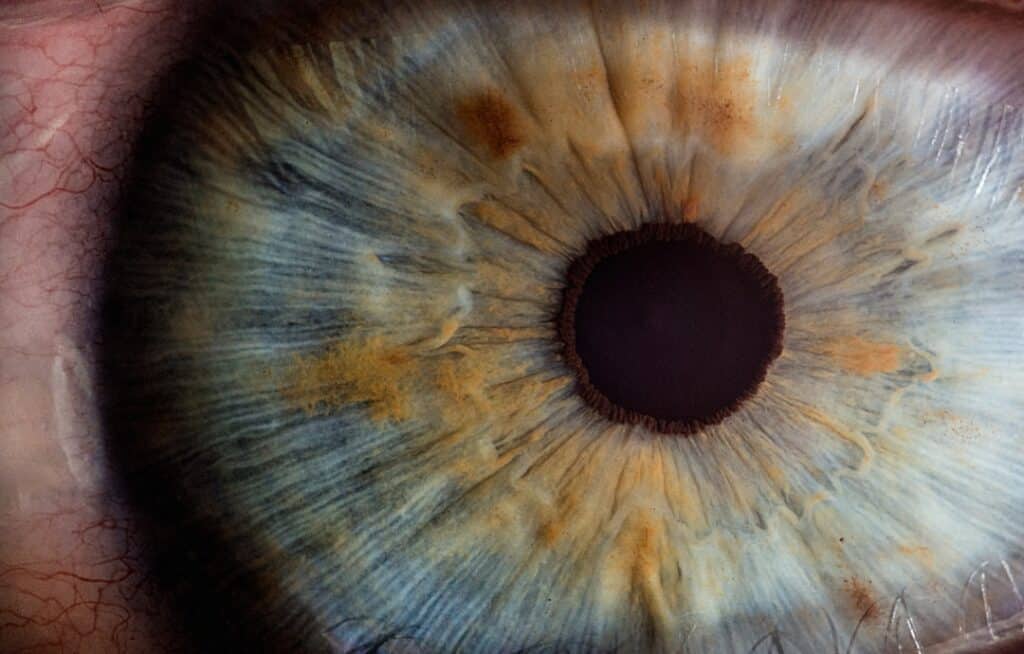
When you look at a bright, clear sky or a blank wall, you might notice small specks or shadows drifting across your field of vision. These are known as eye floaters, and they can be quite disconcerting. Eye floaters are tiny clumps of gel or cells that form in the vitreous humor, the clear gel-like substance that fills the inside of your eye.
As you age, the vitreous humor can become more liquid, causing these clumps to cast shadows on your retina, which is what you perceive as floaters. While they are often harmless, understanding their nature can help you manage any anxiety they may cause. You may find that floaters are more noticeable when you are looking at something bright, such as a white wall or a clear sky.
They can take on various shapes, including dots, lines, or cobweb-like structures. While they can be annoying, most people learn to ignore them over time. However, if you experience a sudden increase in floaters or if they are accompanied by flashes of light or a loss of peripheral vision, it is crucial to seek medical attention immediately, as these could be signs of a more serious condition.
Key Takeaways
- Eye floaters are small specks or cobweb-like particles that float around in your field of vision.
- Eye floaters are caused by age-related changes in the vitreous, inflammation in the eye, or retinal tears.
- Eye floaters can cause visual disturbances such as blurry vision, shadows, or spots in your vision.
- Traditional treatments for eye floaters include vitrectomy and laser therapy.
- Health supplements for eye floaters contain key ingredients such as lutein, zeaxanthin, and vitamin C to support eye health.
Causes of Eye Floaters
The primary cause of eye floaters is the natural aging process. As you grow older, the vitreous humor undergoes changes that can lead to the formation of floaters. The gel-like substance may shrink or become more liquid, causing tiny fibers within it to clump together.
These clumps then cast shadows on your retina, resulting in the visual disturbances you experience. While age is a significant factor, other causes can contribute to the development of floaters. In addition to aging, certain medical conditions can increase your likelihood of experiencing floaters.
For instance, individuals with diabetes may develop diabetic retinopathy, which can lead to the formation of floaters. Similarly, those who have had eye surgery or trauma may also notice an increase in floaters due to changes in the vitreous humor. Understanding these causes can help you take proactive steps to monitor your eye health and seek appropriate care when necessary.
Effects of Eye Floaters on Vision

While eye floaters are generally harmless, they can have varying effects on your vision and overall quality of life. For many people, floaters become a minor annoyance that fades into the background of their daily activities. However, for others, especially those who are more sensitive to visual disturbances, floaters can be distracting and may interfere with tasks such as reading or driving.
The presence of floaters can create a sense of frustration and anxiety, particularly if you are unsure about their implications for your eye health. In some cases, floaters can also indicate underlying issues that may require medical attention. If you notice a sudden increase in floaters or experience other symptoms like flashes of light or a curtain-like shadow over your vision, it is essential to consult an eye care professional.
These symptoms could signal more serious conditions such as retinal detachment or vitreous hemorrhage, which necessitate prompt evaluation and treatment to prevent potential vision loss. For more information on eye health and conditions, you can visit the American Academy of Ophthalmology website.
Traditional Treatments for Eye Floaters
| Treatment | Description | Efficacy |
|---|---|---|
| Vitrectomy | Surgical removal of the vitreous humor | High |
| YAG laser vitreolysis | Laser treatment to break up floaters | Moderate |
| Herbal remedies | Use of natural herbs and supplements | Low |
| Dietary changes | Adjusting diet to improve eye health | Low |
When it comes to treating eye floaters, traditional options are somewhat limited. In many cases, eye care professionals may recommend a wait-and-see approach since most floaters do not pose a significant threat to vision and often become less noticeable over time. If the floaters are particularly bothersome or if they interfere with your daily activities, there are a few treatment options available.
One common procedure is vitrectomy, which involves surgically removing the vitreous humor along with the floaters. While this procedure can provide relief from bothersome floaters, it is typically reserved for severe cases due to the associated risks and potential complications. Another option is laser treatment, where a laser is used to break up the floaters into smaller pieces that are less noticeable.
However, both procedures come with their own set of risks and should be carefully considered in consultation with an eye care professional.
Introducing Health Supplements for Eye Floaters
In recent years, there has been growing interest in health supplements as a potential way to manage eye floaters and support overall eye health. While traditional treatments focus primarily on surgical interventions, supplements offer a non-invasive alternative that may help improve the condition of your eyes over time. These supplements often contain a blend of vitamins, minerals, and antioxidants that are believed to support retinal health and reduce oxidative stress.
You might be wondering how health supplements can specifically address eye floaters. While research is still ongoing in this area, some studies suggest that certain nutrients may play a role in maintaining the health of the vitreous humor and supporting overall eye function. By incorporating these supplements into your daily routine, you may find that they help mitigate the impact of floaters and promote better visual clarity.
Key Ingredients in Health Supplements for Eye Floaters

Powerful Antioxidants for Eye Protection
One key ingredient often found in these supplements is lutein, a carotenoid that filters out harmful blue light and protects retinal cells from oxidative damage. Lutein has been shown to support visual acuity and may help reduce the risk of age-related macular degeneration.
Synergistic Ingredients for Enhanced Visual Performance
Another important ingredient is zeaxanthin, which works in tandem with lutein to enhance visual performance and protect against oxidative stress. Additionally, vitamins C and E are powerful antioxidants that combat free radicals in the body and support overall eye health.
Omega-3 Fatty Acids for Retinal Health
Omega-3 fatty acids are also gaining attention for their anti-inflammatory properties and potential benefits for retinal health. By choosing supplements that contain these key ingredients, you can take proactive steps toward supporting your eye health and potentially reducing the impact of floaters.
Benefits of Health Supplements for Eye Floaters
Incorporating health supplements into your routine can offer several benefits beyond just addressing eye floaters. One significant advantage is the potential for improved overall eye health. By providing your body with essential nutrients that support retinal function and protect against oxidative stress, you may enhance your visual clarity and reduce the risk of developing more severe eye conditions in the future.
Moreover, many individuals report experiencing increased comfort and reduced visual disturbances after taking eye health supplements regularly. While results may vary from person to person, some users find that their floaters become less bothersome over time as they support their eyes with proper nutrition. Additionally, these supplements often come with added benefits for general well-being, such as improved skin health and enhanced cognitive function due to their antioxidant properties.
How to Choose the Right Health Supplement for Eye Floaters
Selecting the right health supplement for eye floaters requires careful consideration of several factors. First and foremost, it’s essential to choose products from reputable brands that prioritize quality and transparency in their formulations. Look for supplements that have undergone third-party testing to ensure their potency and purity.
Next, pay attention to the ingredient list and opt for supplements that contain a well-rounded blend of nutrients known for their benefits to eye health. As mentioned earlier, ingredients like lutein, zeaxanthin, vitamins C and E, and omega-3 fatty acids should be prioritized. Additionally, consider any dietary restrictions or allergies you may have when selecting a supplement.
Lastly, consult with your healthcare provider before starting any new supplement regimen. They can provide personalized recommendations based on your individual health needs and help you determine the most appropriate dosage for optimal results. By taking these steps, you can make informed choices that support your eye health and potentially alleviate the impact of floaters in your vision.
If you are interested in learning more about health nutrition supplements, you may want to check out this article on what are health nutrition supplements. This article provides valuable information on the benefits of incorporating supplements into your daily routine and how they can support overall health and well-being. Additionally, if you are following a vegan or vegetarian diet, you may be interested in exploring the options for vegan and vegetarian supplements discussed in this article on vegan and vegetarian supplements. Taking care of your health through proper nutrition and fitness is essential, and you can learn more about living a healthy lifestyle through fitness in this article on living a healthy lifestyle through fitness.
FAQs
What are eye floaters?
Eye floaters are small specks or spots that float around in your field of vision. They are caused by tiny clumps of gel or cells inside the vitreous, the clear gel-like fluid that fills the inside of your eye.
What are the common causes of eye floaters?
Eye floaters are commonly caused by age-related changes in the vitreous, which can cause the gel to become more liquid and form clumps or strands. Other causes include inflammation in the back of the eye, bleeding in the eye, or retinal tears.
What are the symptoms of eye floaters?
The most common symptom of eye floaters is the appearance of small specks or spots that move with your eye. You may also experience flashes of light, especially when you move your eyes.
How are eye floaters diagnosed?
Eye floaters are diagnosed through a comprehensive eye examination, which may include a dilated eye exam, visual acuity test, and tonometry to measure eye pressure.
What are health supplements for eye floaters?
Health supplements for eye floaters are dietary supplements that contain vitamins, minerals, and antioxidants that are believed to support eye health and reduce the appearance of floaters.
What are the common ingredients in health supplements for eye floaters?
Common ingredients in health supplements for eye floaters include vitamin C, vitamin E, zinc, lutein, zeaxanthin, and omega-3 fatty acids. These ingredients are thought to support overall eye health and reduce the risk of age-related eye conditions.
Are health supplements for eye floaters effective?
The effectiveness of health supplements for eye floaters is still a topic of debate among healthcare professionals. While some studies suggest that certain nutrients may support eye health, more research is needed to determine their effectiveness specifically for reducing the appearance of eye floaters.
Are there any risks or side effects associated with health supplements for eye floaters?
Some health supplements for eye floaters may cause side effects such as digestive discomfort, allergic reactions, or interactions with medications. It is important to consult with a healthcare professional before taking any new supplement, especially if you have underlying health conditions or are taking medications.