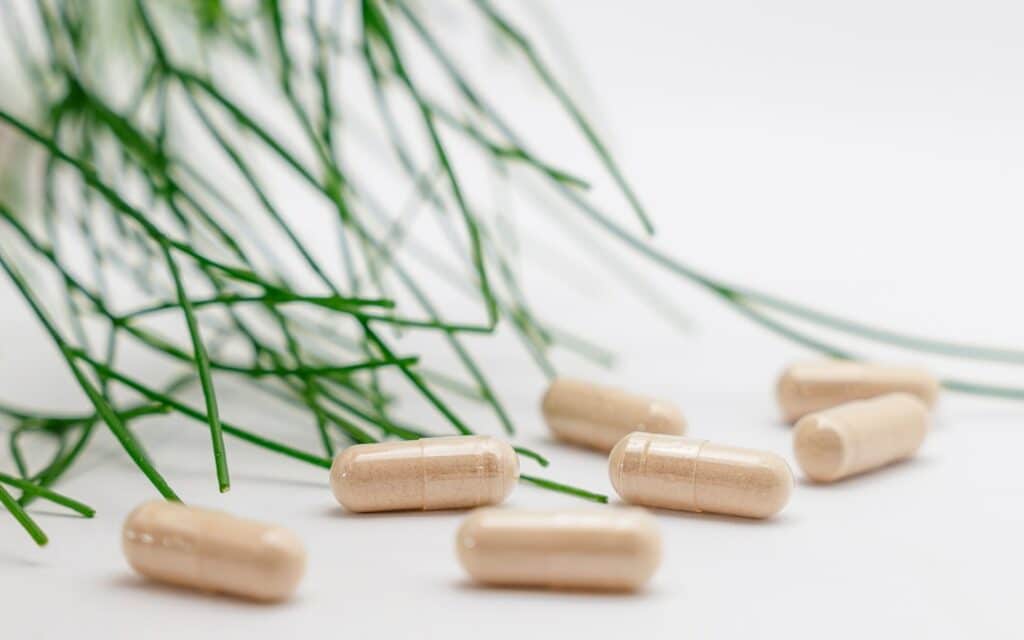
Glutathione is a powerful antioxidant that plays a crucial role in maintaining your overall health. Composed of three amino acids—cysteine, glutamine, and glycine—this tripeptide is found in every cell of your body. It is often referred to as the “master antioxidant” due to its ability to combat oxidative stress and neutralize free radicals.
By doing so, glutathione helps protect your cells from damage, supports cellular function, and contributes to the overall well-being of your body. In addition to its antioxidant properties, glutathione is involved in various biochemical processes, including DNA synthesis and repair, protein synthesis, and the metabolism of toxins. It acts as a cofactor for several enzymes, enhancing their activity and ensuring that your body functions optimally.
Given its multifaceted roles, maintaining adequate levels of glutathione is essential for your health and longevity.
Key Takeaways
- Glutathione is a powerful antioxidant produced in the body that plays a crucial role in immune health and detoxification.
- Glutathione supplementation can help boost the immune system, improve skin health, and support overall well-being.
- Natural ways to increase glutathione levels include consuming sulfur-rich foods, exercising regularly, and getting enough sleep.
- Glutathione’s antioxidant properties help protect cells from damage caused by free radicals and oxidative stress.
- While glutathione supplementation is generally considered safe, potential side effects and interactions with certain medications should be considered before starting a regimen.
The Role of Glutathione in Immune Health
Your immune system relies heavily on glutathione to function effectively. This potent antioxidant helps regulate immune responses by modulating the activity of immune cells, such as T-cells and macrophages. When your body encounters pathogens or foreign substances, glutathione levels can fluctuate to meet the increased demand for immune activity.
A well-functioning immune system is vital for protecting you against infections and diseases, and glutathione plays a pivotal role in this defense mechanism. Moreover, glutathione helps reduce inflammation, which is often a byproduct of an overactive immune response. Chronic inflammation can lead to various health issues, including autoimmune diseases and chronic illnesses.
By maintaining balanced levels of glutathione, you can support your immune system’s ability to respond appropriately to threats while minimizing the risk of excessive inflammation.
Benefits of Glutathione Supplementation
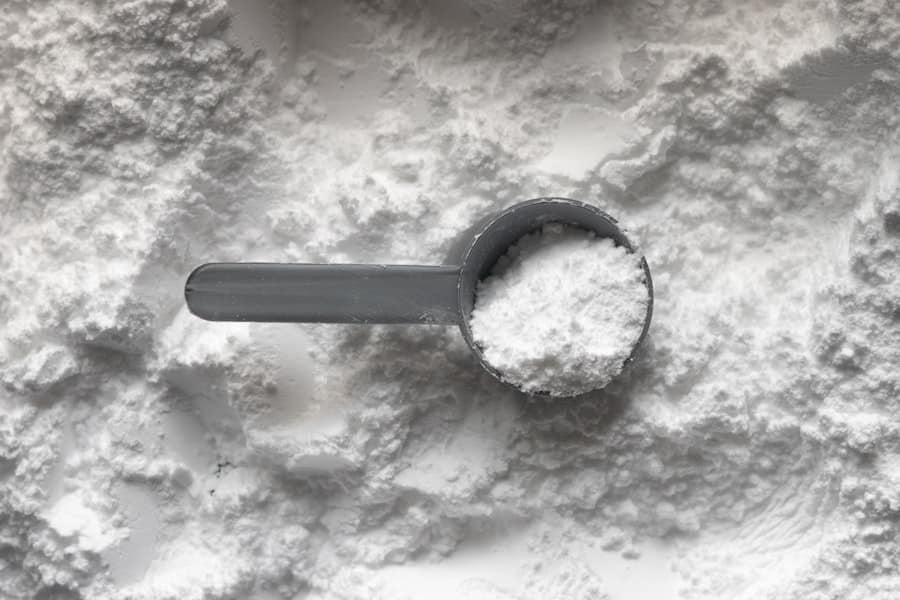
Supplementing with glutathione can offer numerous benefits, particularly for those who may have low levels due to factors such as poor diet, stress, or environmental toxins. One of the most significant advantages of glutathione supplementation is its potential to enhance your body’s antioxidant defenses. By increasing your glutathione levels, you can improve your ability to combat oxidative stress, which is linked to various chronic diseases, including heart disease and cancer.
In addition to its antioxidant properties, glutathione supplementation may also support detoxification processes in your body. As you are exposed to toxins from food, air pollution, and other sources, your liver relies on glutathione to neutralize and eliminate these harmful substances. By boosting your glutathione levels through supplementation, you can enhance your liver’s detoxification capabilities, promoting better overall health and well-being.
How to Increase Glutathione Levels Naturally
If you’re looking to boost your glutathione levels naturally, there are several lifestyle changes and dietary choices you can make. One effective way is to incorporate foods rich in sulfur-containing amino acids into your diet. Foods such as garlic, onions, cruciferous vegetables (like broccoli and Brussels sprouts), and legumes are excellent sources of these amino acids, which are essential for glutathione production.
In addition to dietary changes, regular exercise can also help increase your body’s glutathione levels. Physical activity stimulates the production of antioxidants and enhances the overall efficiency of your body’s detoxification processes. Aim for a balanced exercise routine that includes both aerobic activities and strength training to maximize the benefits for your glutathione levels.
Glutathione and its Antioxidant Properties
The antioxidant properties of glutathione are among its most celebrated features. As an antioxidant, it works by neutralizing free radicals—unstable molecules that can cause cellular damage and contribute to aging and disease. By donating electrons to these free radicals, glutathione helps stabilize them, preventing them from causing harm to your cells.
Furthermore, glutathione plays a unique role in recycling other antioxidants in your body. For instance, it can regenerate vitamins C and E after they have neutralized free radicals. This recycling process ensures that your body’s antioxidant defenses remain robust and effective over time.
By maintaining high levels of glutathione, you can enhance your overall antioxidant capacity and protect yourself from oxidative stress.
Glutathione and Detoxification

Detoxification is a vital process that helps eliminate harmful substances from your body. Glutathione is integral to this process, particularly in the liver, where it binds to toxins and facilitates their excretion. This tripeptide acts as a key player in phase II detoxification, where fat-soluble toxins are converted into water-soluble compounds that can be easily eliminated through urine or bile.
In addition to its role in detoxifying environmental toxins, glutathione also helps neutralize byproducts of metabolism that can be harmful if allowed to accumulate. For instance, when your body breaks down alcohol or certain medications, it produces toxic metabolites that need to be cleared efficiently. Adequate levels of glutathione ensure that these substances are processed effectively, reducing the risk of toxicity and promoting overall health.
Glutathione and Aging
As you age, your body’s natural production of glutathione tends to decline. This decrease can contribute to increased oxidative stress and a higher risk of age-related diseases. Research suggests that maintaining optimal levels of glutathione may help mitigate some effects of aging by supporting cellular health and function.
By enhancing your glutathione levels through supplementation or lifestyle changes, you may be able to slow down some aspects of the aging process. Studies have shown that higher levels of glutathione are associated with improved skin elasticity, reduced wrinkles, and better overall skin health. Additionally, maintaining adequate glutathione levels may support cognitive function and reduce the risk of neurodegenerative diseases commonly associated with aging.
Potential Side Effects and Considerations for Glutathione Supplementation
While glutathione supplementation offers numerous benefits, it’s essential to approach it with caution. Some individuals may experience side effects such as gastrointestinal discomfort or allergic reactions when taking glutathione supplements. It’s crucial to consult with a healthcare professional before starting any supplementation regimen, especially if you have underlying health conditions or are taking medications.
Moreover, not all forms of glutathione supplements are equally effective. Oral supplements may not be well absorbed by the body due to their breakdown in the digestive system. Instead, consider exploring alternative delivery methods such as intravenous (IV) administration or liposomal formulations that enhance absorption.
By doing so, you can maximize the potential benefits of glutathione supplementation while minimizing any risks associated with its use. In conclusion, understanding the significance of glutathione in your health journey is vital for optimizing your well-being. From its role in immune health and detoxification to its antioxidant properties and impact on aging, maintaining adequate levels of this powerful tripeptide can have far-reaching effects on your overall health.
By incorporating dietary changes, regular exercise, and considering supplementation when necessary, you can harness the benefits of glutathione for a healthier life.
If you are interested in learning more about differentiating between fact and fiction in supplement claims, check out this article. It provides valuable information on how to navigate the often confusing world of supplement marketing. Additionally, if you have concerns about the safety of supplements or misconceptions surrounding their use, this article offers insights and guidance. For pregnant and breastfeeding women looking for information on supplements, this article provides helpful recommendations and considerations.
FAQs
What is glutathione?
Glutathione is a powerful antioxidant produced in the body that plays a crucial role in immune function, detoxification, and maintaining cellular health.
How does glutathione support immune health?
Glutathione helps to strengthen the immune system by supporting the function of immune cells and protecting them from oxidative damage. It also helps regulate the immune response and reduce inflammation.
What are the benefits of taking glutathione supplements?
Glutathione supplements can help boost the body’s natural production of glutathione, support immune function, and protect against oxidative stress. They may also have potential benefits for skin health, liver function, and overall well-being.
What are some natural sources of glutathione?
Foods rich in sulfur, such as garlic, onions, and cruciferous vegetables, can help support the body’s production of glutathione. Additionally, consuming foods high in certain nutrients like selenium, vitamin C, and alpha lipoic acid can also support glutathione levels.
Are there any potential side effects of taking glutathione supplements?
Glutathione supplements are generally considered safe for most people when taken at recommended doses. However, some individuals may experience mild side effects such as stomach upset or allergic reactions. It is important to consult with a healthcare professional before starting any new supplement regimen.