
Your eyes are often referred to as the windows to your soul, but they are also crucial for your overall well-being. Maintaining good eye health is essential not only for clear vision but also for your quality of life. The ability to see clearly affects how you interact with the world around you, influencing everything from your daily activities to your emotional state.
When your eyes are healthy, you can engage fully in life, whether that means reading a book, enjoying a sunset, or simply navigating your environment safely. Moreover, eye health is intricately linked to your overall health. Many systemic diseases, such as diabetes and hypertension, can manifest in the eyes before they become apparent elsewhere in the body.
Regular eye examinations can serve as an early warning system, allowing for the detection of these conditions before they escalate. By prioritizing your eye health, you are not only safeguarding your vision but also taking proactive steps toward maintaining your overall health.
Key Takeaways
- Good eye health is crucial for overall well-being and quality of life.
- Common eye conditions like cataracts and glaucoma can have a significant impact on overall health if left untreated.
- Regular eye exams, proper nutrition, and protecting the eyes from UV rays are essential for maintaining good eye health.
- Understanding the wound healing process is important for promoting faster and effective healing.
- Factors like age, chronic diseases, and poor circulation can affect wound healing, and proper nutrition plays a key role in the process.
Common Eye Conditions and Their Impact on Overall Health
Eye conditions can have a significant impact on your quality of life and overall health. If left untreated, conditions such as cataracts, glaucoma, and age-related macular degeneration (AMD) can lead to vision loss.
Cataracts: A Cloudy Outlook
Cataracts cause clouding of the lens, making it difficult to see clearly. This condition is particularly prevalent among older adults and can severely limit daily activities, leading to a decline in mental and emotional well-being.
Glaucoma: The Silent Thief of Sight
Glaucoma is another serious condition that can lead to irreversible vision loss. It often develops without noticeable symptoms until significant damage has occurred. This can create a sense of anxiety and helplessness, as individuals may not realize they are losing their vision until it is too late.
Age-Related Macular Degeneration: A Threat to Central Vision
Age-related macular degeneration affects central vision and can hinder tasks such as reading or recognizing faces, further isolating individuals from their social circles. Understanding these conditions is vital for recognizing their potential impact on your life and taking steps to mitigate their effects.
Tips for Maintaining Good Eye Health
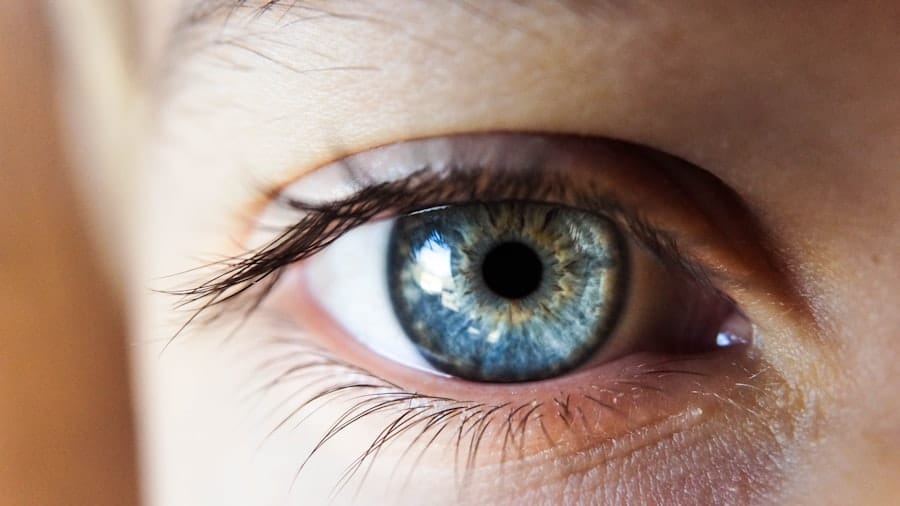
Maintaining good eye health requires a proactive approach that encompasses various lifestyle choices. One of the most effective ways to protect your eyes is through regular eye examinations. These check-ups allow for early detection of potential issues and provide an opportunity for your eye care professional to offer personalized advice tailored to your specific needs.
It’s recommended that you schedule an eye exam at least once every two years, or more frequently if you have existing conditions or risk factors. In addition to regular check-ups, adopting a healthy lifestyle can significantly benefit your eye health. This includes eating a balanced diet rich in fruits and vegetables, particularly those high in antioxidants like vitamins C and E, lutein, and zeaxanthin.
Foods such as leafy greens, carrots, and fish rich in omega-3 fatty acids can help protect against age-related eye diseases. Furthermore, protecting your eyes from harmful UV rays by wearing sunglasses outdoors and using protective eyewear during activities that pose a risk of injury can go a long way in preserving your vision.
Understanding the Wound Healing Process
Wound healing is a complex biological process that involves several stages: hemostasis, inflammation, proliferation, and remodeling. When you sustain an injury, the body immediately begins to respond by stopping the bleeding through clot formation—a process known as hemostasis. This initial response is crucial as it lays the groundwork for the subsequent healing phases.
Following hemostasis, the inflammatory phase kicks in, where the body works to prevent infection and clear out debris from the wound site. This phase is characterized by redness, swelling, and pain as immune cells rush to the area to combat potential pathogens. Once the inflammation subsides, the proliferation phase begins, during which new tissue forms to close the wound.
Finally, in the remodeling phase, the new tissue matures and strengthens over time. Understanding this process can help you appreciate how your body works to heal itself and what factors may influence this natural healing journey.
Factors that Affect Wound Healing
Several factors can influence how quickly and effectively a wound heals. One of the most significant factors is nutrition; a well-balanced diet provides the essential nutrients needed for tissue repair and regeneration. Proteins play a vital role in building new tissue, while vitamins and minerals support various cellular functions involved in healing.
Additionally, underlying health conditions can greatly impact wound healing. For instance, diabetes can impair circulation and reduce the body’s ability to fight infections, leading to delayed healing times. Age is another factor; as you grow older, your body’s regenerative capabilities may diminish, making it more challenging for wounds to heal efficiently.
Lifestyle choices such as smoking and excessive alcohol consumption can also hinder the healing process by reducing blood flow and oxygen delivery to tissues.
Tips for Promoting Faster Wound Healing
Wound Care Essentials
Keeping the wound clean and properly dressed is essential to prevent infection and facilitate healing. Regularly changing dressings and following any care instructions provided by healthcare professionals will help ensure that the wound remains in optimal condition.
Nutrition for Healing
Incorporating specific nutrients into your diet can also enhance healing. Foods rich in zinc, vitamin C, and protein are particularly beneficial for tissue repair. Staying hydrated is equally important; adequate fluid intake supports cellular function and helps maintain skin elasticity.
Managing Stress for Optimal Healing
Additionally, managing stress through relaxation techniques such as meditation or yoga can positively influence your body’s healing response by reducing inflammation and promoting overall well-being.
The Role of Nutrition in Eye Health and Wound Healing
Nutrition plays a pivotal role in both eye health and wound healing. A diet rich in antioxidants helps combat oxidative stress that can damage eye cells over time. Nutrients such as beta-carotene found in carrots and leafy greens contribute to good vision by supporting retinal health.
Omega-3 fatty acids found in fish like salmon are known to reduce the risk of dry eyes and age-related macular degeneration. When it comes to wound healing, nutrition becomes even more critical. Proteins are essential for building new tissue and repairing damaged cells.
Vitamins A and C are vital for collagen synthesis, which is necessary for skin integrity during the healing process. Incorporating a variety of colorful fruits and vegetables into your meals ensures that you receive a broad spectrum of nutrients that support both eye health and wound recovery.
When to Seek Professional Help for Eye Health and Wound Healing
Knowing when to seek professional help is crucial for both eye health and wound healing. If you experience sudden changes in vision—such as blurriness, flashes of light, or dark spots—it’s essential to consult an eye care professional immediately. These symptoms could indicate serious conditions that require prompt attention.
Similarly, if you have a wound that shows signs of infection—such as increased redness, swelling, or discharge—it’s important to seek medical advice without delay. Delayed treatment can lead to complications that may prolong healing or result in more severe health issues. By being vigilant about changes in your eye health or wound condition, you empower yourself to take control of your well-being and ensure timely intervention when necessary.
In conclusion, prioritizing eye health and understanding the wound healing process are essential components of maintaining overall well-being. By being proactive about regular check-ups, adopting healthy lifestyle choices, and recognizing when professional help is needed, you can significantly enhance both your vision and your body’s ability to heal effectively. Remember that small changes today can lead to significant benefits for your health tomorrow.
When it comes to maintaining overall health, eye health and wound healing are two important factors to consider. Proper nutrition plays a key role in supporting these functions. One article that provides valuable information on the benefits of specific vitamins for eye health is this article on Vitamin A. Vitamin A is essential for maintaining good vision and promoting healthy eyes. Additionally, a balanced diet rich in essential nutrients can also aid in wound healing, as discussed in this article on 10 Amazing Weight Loss Tips. Proper nutrition can help speed up the healing process and reduce the risk of infection. Before taking any supplements, it is important to consider individual factors and consult with a healthcare professional, as outlined in this article on Factors to Consider Before Taking Supplements.
FAQs
What are some common eye health issues?
Some common eye health issues include refractive errors (such as nearsightedness and farsightedness), cataracts, glaucoma, age-related macular degeneration, and diabetic retinopathy.
How can I maintain good eye health?
To maintain good eye health, it is important to have regular eye exams, protect your eyes from UV rays, eat a healthy diet rich in fruits and vegetables, avoid smoking, and give your eyes regular breaks from screens.
What are some factors that can affect wound healing?
Factors that can affect wound healing include age, underlying health conditions (such as diabetes or immune disorders), poor nutrition, smoking, medications, and the size and location of the wound.
How can I promote wound healing?
To promote wound healing, it is important to keep the wound clean and protected, eat a healthy diet rich in protein and vitamins, manage any underlying health conditions, avoid smoking, and follow any specific wound care instructions from a healthcare professional.