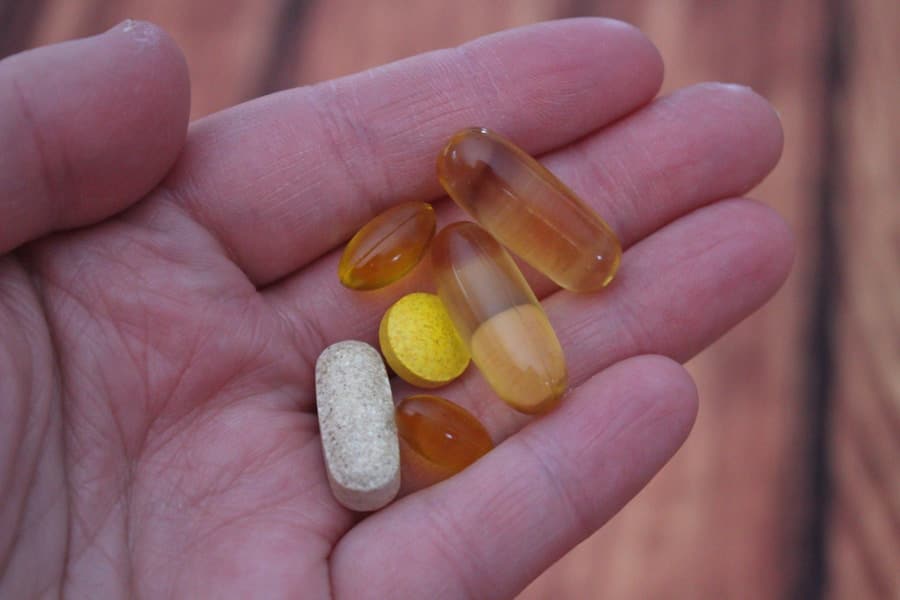
Cholesterol is a waxy substance found in your blood, essential for building cells and producing certain hormones. However, when levels become too high, it can lead to serious health issues, including heart disease and stroke. Cholesterol is carried through your bloodstream by lipoproteins, which are classified into two main types: low-density lipoprotein (LDL) and high-density lipoprotein (HDL).
LDL is often referred to as “bad” cholesterol because it can lead to plaque buildup in your arteries, while HDL is known as “good” cholesterol as it helps remove LDL from the bloodstream. Lipitor, a brand name for atorvastatin, is one of the most commonly prescribed medications for lowering LDL cholesterol levels. It belongs to a class of drugs known as statins, which work by inhibiting an enzyme in the liver responsible for cholesterol production.
By reducing the amount of cholesterol your body makes, Lipitor can help lower your risk of heart disease and stroke. While many people find success with this medication, it’s important to understand that it may not be the best option for everyone.
Key Takeaways
- Cholesterol is a waxy substance found in the blood and can be managed with medication like Lipitor.
- Natural supplements such as garlic, fish oil, and red yeast rice can help lower cholesterol levels.
- Lipitor alternatives offer benefits such as reduced side effects and lower cost.
- When choosing the best Lipitor alternative, consider factors such as effectiveness, safety, and potential drug interactions.
- Lifestyle changes like regular exercise and a healthy diet can support cholesterol management and complement medication or alternative treatments.
Natural Supplements for Lowering Cholesterol
Omega-3 Fatty Acids for Cholesterol Control
you’re looking for a natural way to manage your cholesterol, omega-3 fatty acids are a great option. Found in fish oil, these healthy fats can help reduce triglycerides and even increase HDL cholesterol levels. Incorporating omega-3s into your diet is easy – simply eat fatty fish like salmon or take a fish oil supplement.
Red Yeast Rice: A Statin Alternative
Another supplement worth considering is red yeast rice, a fermented rice product that contains monacolin K. This compound has a similar effect to statins, but without the side effects often associated with prescription medications. Studies have shown that red yeast rice can effectively lower LDL cholesterol levels.
Choosing a Reputable Red Yeast Rice Supplement
When selecting a red yeast rice supplement, it’s crucial to opt for a reputable brand. The potency and purity of red yeast rice products can vary significantly, so be sure to do your research and choose a high-quality supplement.
Benefits of Using Lipitor Alternatives

Exploring alternatives to Lipitor can offer several benefits, particularly if you experience side effects from statins or prefer a more holistic approach to managing your cholesterol. One significant advantage of natural supplements is that they often come with fewer side effects compared to prescription medications. Many individuals report experiencing muscle pain or digestive issues while taking statins, which can lead to discontinuation of the medication.
By opting for natural alternatives, you may find a solution that works better for your body without the unwanted side effects. Additionally, using natural supplements can empower you to take control of your health in a more proactive way. Many people appreciate the idea of managing their cholesterol through dietary changes and lifestyle adjustments rather than relying solely on medication.
This approach not only addresses cholesterol levels but also promotes overall well-being by encouraging healthier eating habits and regular physical activity. For more information on natural supplements as alternatives to statins, you can visit Healthline.
Considerations for Choosing the Best Lipitor Alternative
When considering alternatives to Lipitor, it’s essential to evaluate various factors to determine which option may be best for you. First and foremost, consider your current health status and any underlying conditions you may have. For instance, if you have liver issues or are pregnant, certain supplements may not be suitable for you.
It’s crucial to do thorough research and consult with a healthcare professional before making any changes to your treatment plan. Another important consideration is the potential interactions between supplements and any medications you may already be taking. Some natural supplements can interfere with prescription drugs, leading to adverse effects or reduced efficacy.
Therefore, it’s wise to discuss your options with a healthcare provider who can help you navigate these complexities and ensure that any alternative you choose is safe and effective for your specific situation.
Lifestyle Changes to Support Cholesterol Management
In addition to considering supplements or alternatives to Lipitor, making lifestyle changes can significantly impact your cholesterol levels. One of the most effective strategies is adopting a heart-healthy diet rich in fruits, vegetables, whole grains, and healthy fats. Foods high in soluble fiber, such as oats and beans, can help lower LDL cholesterol by binding to it in the digestive system and removing it from the body.
Regular physical activity is another crucial component of managing cholesterol levels. Engaging in aerobic exercises like walking, running, or cycling can help raise HDL cholesterol while lowering LDL levels. Aim for at least 150 minutes of moderate-intensity exercise each week.
Not only will this help improve your cholesterol profile, but it will also enhance your overall cardiovascular health and boost your mood.
Potential Side Effects and Risks of Lipitor Alternatives
While natural supplements may seem like a safer option compared to prescription medications like Lipitor, they are not without risks. Some individuals may experience side effects from supplements just as they would from statins. For example, red yeast rice can cause muscle pain or liver issues in some people.
Additionally, the quality and concentration of active ingredients in supplements can vary widely between brands, leading to inconsistent results. It’s also important to note that not all natural supplements are regulated by the FDA in the same way that prescription medications are. This lack of regulation means that some products may contain harmful additives or not contain the advertised amount of active ingredients.
Therefore, it’s essential to choose high-quality supplements from reputable manufacturers and consult with a healthcare professional before starting any new regimen.
Consultation with a Healthcare Professional
Before making any changes to your cholesterol management plan, consulting with a healthcare professional is crucial. They can provide personalized advice based on your medical history, current medications, and overall health goals. A healthcare provider can help you weigh the pros and cons of various Lipitor alternatives and guide you toward safe and effective options.
Moreover, regular check-ups are essential for monitoring your cholesterol levels and assessing how well any new treatment or lifestyle change is working. Your healthcare provider can perform blood tests to track your progress and make adjustments as needed. This collaborative approach ensures that you are taking the right steps toward achieving optimal heart health.
Finding the Right Lipitor Alternative for You
In conclusion, managing cholesterol levels is a vital aspect of maintaining overall health, especially if you have risk factors for heart disease. While Lipitor has proven effective for many individuals, exploring alternatives may provide a more suitable solution for those who experience side effects or prefer natural options. By considering natural supplements, making lifestyle changes, and consulting with a healthcare professional, you can find an approach that aligns with your health goals.
Ultimately, the journey toward better cholesterol management is personal and requires careful consideration of various factors. Whether you choose to stick with Lipitor or explore alternatives, remember that informed decisions backed by professional guidance will lead you toward better health outcomes. Take charge of your health today by seeking out the best options available for you!
If you are looking for the best Lipitor alternative supplements for lowering cholesterol, you may also be interested in learning more about supplements for immune support. According to a recent article on healthnutritionsupplements.net, certain vitamins and minerals can help boost your immune system and keep you healthy. By incorporating these supplements into your daily routine, you can not only lower your cholesterol levels but also support your overall health and well-being.
FAQs
What is Lipitor?
Lipitor is a brand name for the drug atorvastatin, which is a medication used to lower high cholesterol and reduce the risk of heart disease.
What are the potential side effects of Lipitor?
Common side effects of Lipitor may include muscle pain, weakness, and an increase in blood sugar levels. More serious side effects can include liver problems and a rare but severe muscle condition called rhabdomyolysis.
What are some natural alternatives to Lipitor for lowering cholesterol?
Natural alternatives to Lipitor for lowering cholesterol include supplements such as red yeast rice, plant sterols, and fish oil. These supplements have been shown to help lower cholesterol levels in some individuals.
Are there any dietary changes that can help lower cholesterol levels?
Yes, making dietary changes such as reducing intake of saturated and trans fats, increasing consumption of fiber-rich foods, and incorporating heart-healthy fats like those found in avocados and nuts can help lower cholesterol levels.
Is it safe to take supplements as an alternative to Lipitor?
It is important to consult with a healthcare professional before taking any supplements as an alternative to Lipitor, as they may interact with other medications or have potential side effects. Additionally, supplements are not regulated by the FDA, so it is important to choose reputable brands.