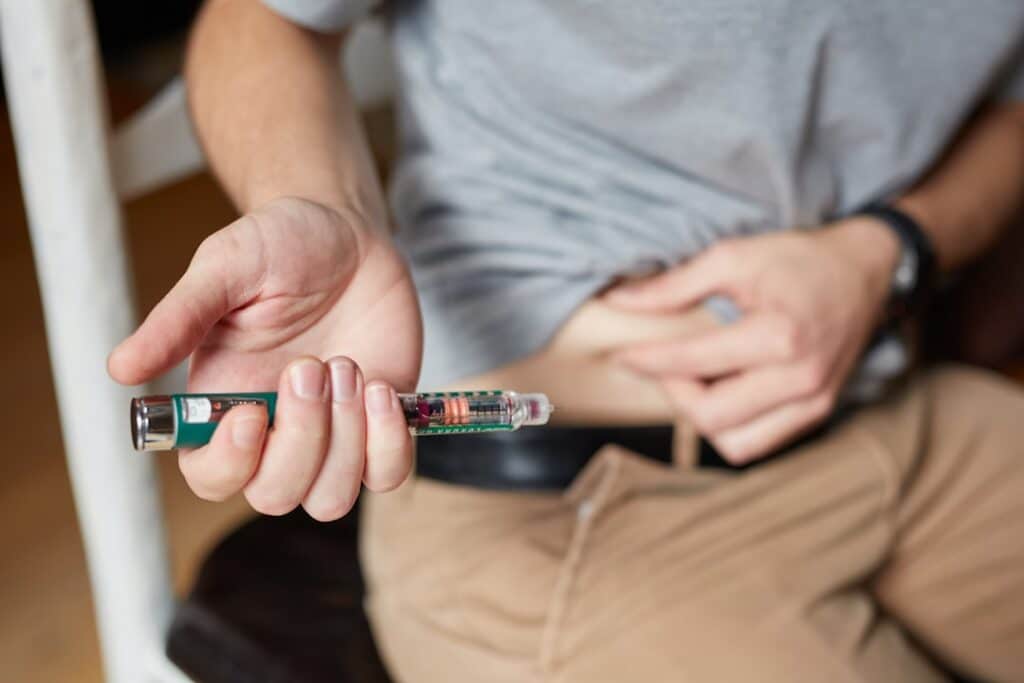
Lantus, a long-acting insulin analog, plays a crucial role in the management of diabetes, particularly for individuals with type 1 and type 2 diabetes. As you navigate your diabetes journey, understanding how Lantus works can empower you to make informed decisions about your treatment. Lantus is designed to provide a steady release of insulin over a 24-hour period, helping to maintain stable blood sugar levels throughout the day and night.
This consistent insulin delivery mimics the natural insulin production of a healthy pancreas, allowing you to manage your blood glucose levels more effectively. Incorporating Lantus into your diabetes management plan can significantly improve your overall quality of life. By providing a baseline level of insulin, Lantus helps to prevent the peaks and valleys in blood sugar that can lead to complications.
You may find that using Lantus in conjunction with rapid-acting insulins for mealtime coverage creates a comprehensive approach to managing your diabetes. This combination allows you to enjoy meals without the constant worry of blood sugar spikes, giving you more freedom and flexibility in your daily life.
Key Takeaways
- Lantus is a long-acting insulin used to manage blood sugar levels in diabetes
- Lantus may have limitations and side effects such as weight gain and hypoglycemia
- Alternative insulin options include Levemir, Tresiba, and Toujeo for blood sugar control
- Long-acting insulin analogs like Basaglar and Levemir can be used as alternatives to Lantus
- Rapid-acting insulin analogs such as Humalog and Novolog are used for mealtime blood sugar control
- Non-insulin medication options like metformin and GLP-1 receptor agonists can help control blood sugar
- Lifestyle changes and dietary modifications, such as regular exercise and a balanced diet, are important for blood sugar control
- Consultation with healthcare professionals is crucial for developing a personalized blood sugar management plan
Exploring the Limitations and Side Effects of Lantus
While Lantus is an effective tool for many individuals managing diabetes, it is essential to be aware of its limitations and potential side effects. One of the primary concerns with Lantus is the risk of hypoglycemia, or low blood sugar. This can occur if you take too much insulin, skip meals, or engage in excessive physical activity without adjusting your insulin dosage.
You should always monitor your blood sugar levels closely and be prepared to treat hypoglycemia promptly if it occurs. Additionally, some individuals may experience side effects such as injection site reactions, weight gain, or allergic reactions. These side effects can vary from person to person, and it’s important to communicate any concerns with your healthcare provider.
They can help you determine whether Lantus is the right choice for you or if adjustments need to be made to your treatment plan. Understanding these limitations will enable you to take proactive steps in managing your diabetes effectively.
Alternative Insulin Options for Blood Sugar Control

As you explore your options for blood sugar control, it’s essential to consider alternative insulin therapies that may better suit your lifestyle and medical needs. While Lantus is a popular choice, other insulin formulations are available that may offer different benefits. For instance, some individuals may prefer using a combination of short-acting and long-acting insulins to achieve optimal blood sugar control.
This approach allows for more flexibility in managing blood glucose levels throughout the day. Another alternative is the use of premixed insulin formulations, which combine both rapid-acting and intermediate-acting insulins in one injection. This can simplify your regimen by reducing the number of injections needed daily while still providing effective blood sugar management.
As you evaluate these alternatives, consider factors such as your daily routine, meal patterns, and personal preferences. Collaborating with your healthcare provider will help you identify the best insulin options tailored to your unique situation.
Long-Acting Insulin Analogs as Lantus Alternatives
If you find that Lantus isn’t meeting your needs or if you’re experiencing side effects, long-acting insulin analogs may be worth considering as alternatives. Medications like Levemir (detemir) and Tresiba (degludec) are designed to provide similar benefits as Lantus but with some differences in their pharmacokinetics. For example, Tresiba has a longer duration of action, which can offer more flexibility in dosing times and potentially reduce the risk of hypoglycemia.
When exploring these alternatives, it’s essential to discuss with your healthcare provider how they might fit into your overall diabetes management plan. They can help you understand the differences between these long-acting insulins and guide you in making an informed decision based on your specific needs and lifestyle. Transitioning to a different long-acting insulin may provide you with improved blood sugar control and a better overall experience in managing your diabetes.
Rapid-Acting Insulin Analogs for Mealtime Blood Sugar Control
In addition to long-acting insulins, rapid-acting insulin analogs play a vital role in managing blood sugar levels during meals. Medications such as Humalog (lispro), Novolog (aspart), and Apidra (glulisine) are designed to act quickly, allowing you to cover carbohydrate intake effectively. These insulins typically start working within 15 minutes after injection and peak within one to two hours, making them ideal for controlling post-meal blood sugar spikes.
Incorporating rapid-acting insulins into your regimen can enhance your ability to enjoy meals without the constant fear of elevated blood sugar levels. You can work with your healthcare provider to determine the appropriate dosage based on your carbohydrate intake and activity level. This personalized approach will help you achieve better glycemic control while allowing for greater flexibility in your meal planning.
Non-Insulin Medication Options for Blood Sugar Control

While insulin therapy is often a cornerstone of diabetes management, there are also non-insulin medications available that can help regulate blood sugar levels. Medications such as metformin, sulfonylureas, and GLP-1 receptor agonists offer alternative mechanisms for controlling glucose levels without the need for insulin injections. For instance, metformin works by improving insulin sensitivity and reducing glucose production in the liver, making it a popular first-line treatment for type 2 diabetes.
Exploring non-insulin options can be particularly beneficial if you’re looking for ways to manage your diabetes without relying solely on insulin therapy. These medications can be used alone or in combination with insulin to achieve optimal blood sugar control. As you consider these alternatives, it’s essential to discuss them with your healthcare provider to determine which options align best with your treatment goals and lifestyle.
Lifestyle Changes and Dietary Modifications for Blood Sugar Control
In addition to medication management, lifestyle changes play a significant role in achieving optimal blood sugar control. You may find that incorporating regular physical activity into your routine can help improve insulin sensitivity and lower blood glucose levels. Aim for at least 150 minutes of moderate-intensity exercise each week, such as brisk walking or cycling.
Engaging in physical activity not only helps manage blood sugar but also contributes to overall well-being. Dietary modifications are equally important in managing diabetes effectively. Focusing on a balanced diet rich in whole grains, lean proteins, healthy fats, fruits, and vegetables can help stabilize blood sugar levels.
You might consider working with a registered dietitian who specializes in diabetes management to create a personalized meal plan that meets your nutritional needs while keeping your blood sugar in check. By making these lifestyle changes, you can enhance your overall health and improve your diabetes management.
Consultation with Healthcare Professionals for Personalized Blood Sugar Management Plan
Navigating diabetes management can be complex, which is why consulting with healthcare professionals is essential for developing a personalized blood sugar management plan. Your healthcare team may include endocrinologists, certified diabetes educators, dietitians, and pharmacists who can provide valuable insights tailored to your specific needs. Regular check-ins with these professionals will help ensure that your treatment plan remains effective as your circumstances change over time.
During consultations, don’t hesitate to ask questions about your medications, lifestyle changes, or any concerns you may have regarding your diabetes management. Open communication with your healthcare team will empower you to take an active role in managing your condition effectively. By collaborating with professionals who understand the intricacies of diabetes care, you can create a comprehensive plan that supports your health goals and enhances your quality of life.
If you are interested in understanding supplement labels and ingredient lists, you may want to check out this informative article here. It delves into the importance of reading and interpreting these labels to make informed decisions about your health. This knowledge can be especially crucial when exploring alternatives to Lantus for blood sugar control in diabetes management. Understanding the ingredients in supplements can help you make the best choices for your overall well-being.
FAQs
What is Lantus and why might someone need an alternative for blood sugar control?
Lantus is a brand name for insulin glargine, a long-acting insulin used to control blood sugar levels in people with diabetes. Some individuals may need alternatives to Lantus due to cost, availability, or personal preferences.
What are some alternatives to Lantus for blood sugar control?
Some alternatives to Lantus for blood sugar control include other long-acting insulins such as Levemir (insulin detemir) and Tresiba (insulin degludec), as well as non-insulin medications like metformin, sulfonylureas, and GLP-1 receptor agonists.
How do these alternatives compare to Lantus in terms of effectiveness and side effects?
The effectiveness and side effects of Lantus alternatives can vary from person to person. Some individuals may find certain alternatives more effective or experience fewer side effects compared to Lantus, while others may not see much difference.
What factors should be considered when choosing an alternative to Lantus for blood sugar control?
When choosing an alternative to Lantus for blood sugar control, factors to consider include individual response to the medication, cost, insurance coverage, dosing frequency, potential side effects, and any other medical conditions or medications the individual may have.
Is it important to consult a healthcare professional before switching to an alternative to Lantus for blood sugar control?
Yes, it is crucial to consult a healthcare professional before making any changes to diabetes medication, including switching to an alternative to Lantus. A healthcare professional can provide personalized guidance based on the individual’s specific needs and medical history.