
Jet lag is a common phenomenon that many travelers experience, especially when crossing multiple time zones. You may have felt the effects of jet lag after a long flight, characterized by fatigue, disorientation, and difficulty sleeping. This condition occurs because your internal body clock, or circadian rhythm, struggles to adjust to the new time zone.
As you travel east or west, your body’s natural sleep-wake cycle can become misaligned with the local time, leading to a range of physical and mental symptoms. The symptoms of jet lag can vary from person to person, but you might find yourself feeling irritable, having trouble concentrating, or experiencing digestive issues. These effects can linger for several days, making it challenging to enjoy your trip or perform at your best.
Understanding the science behind jet lag can help you take proactive steps to minimize its impact. By recognizing how your body responds to time changes, you can better prepare for your travels and implement strategies to help your body adjust more quickly.
Key Takeaways
- Jet lag is a temporary sleep disorder that occurs when traveling across multiple time zones, disrupting the body’s internal clock.
- Health supplements can play a crucial role in supporting the body’s natural rhythms and promoting overall well-being, especially during travel and time zone changes.
- Melatonin is a hormone that helps regulate the sleep-wake cycle and can be used as a supplement to alleviate jet lag symptoms and improve sleep quality.
- Vitamin D plays a key role in regulating circadian rhythms and can help combat jet lag by supporting the body’s internal clock.
- Magnesium is a mineral that has relaxing effects on the body and can aid in reducing stress and promoting better sleep, making it a valuable supplement for combating jet lag.
Importance of Health Supplements
In the quest to combat jet lag and maintain overall well-being, health supplements can play a crucial role. You may find that certain vitamins and minerals can support your body’s natural processes, helping you adapt more easily to new environments. Supplements can provide essential nutrients that may be lacking in your diet, especially when traveling, where food options may be limited or less nutritious than usual.
By incorporating health supplements into your routine, you can bolster your immune system, enhance your energy levels, and improve your overall resilience during travel. Moreover, the importance of health supplements extends beyond just physical health; they can also support mental clarity and emotional balance. When you’re navigating the challenges of jet lag, having the right nutrients on hand can make a significant difference in how you feel.
Whether it’s through boosting your mood or enhancing cognitive function, the right supplements can help you stay sharp and focused, allowing you to fully engage with your travel experiences.
Melatonin and Its Role in Regulating Sleep
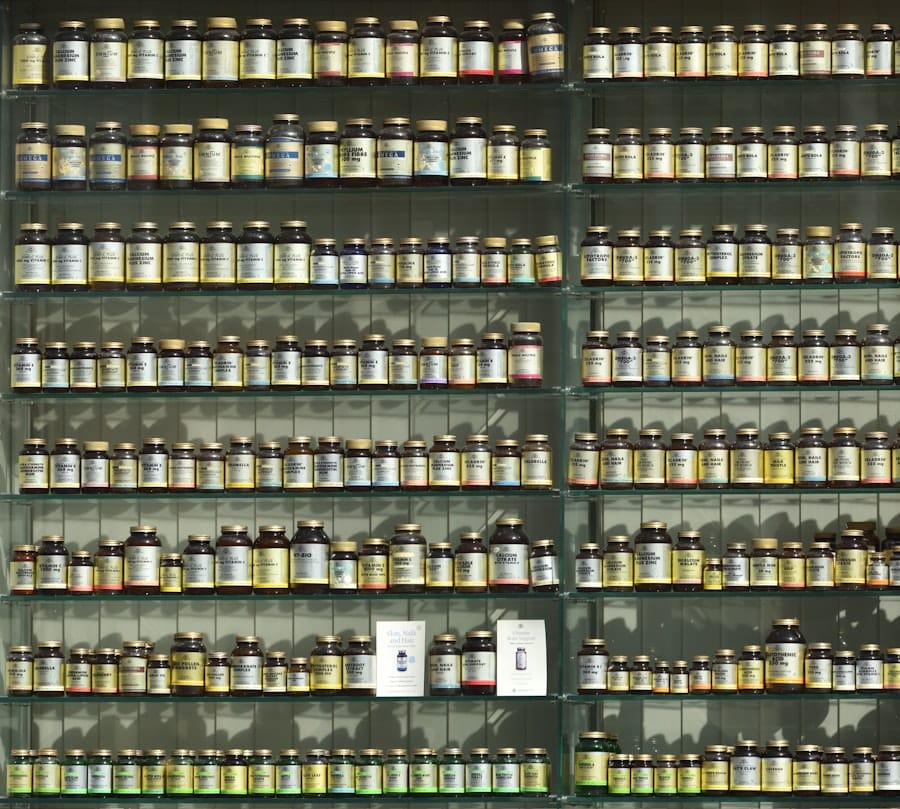
Melatonin is a hormone that plays a vital role in regulating your sleep-wake cycle. Produced naturally by your body in response to darkness, melatonin helps signal to your brain that it’s time to sleep. When you travel across time zones, your body’s melatonin production may become disrupted, leading to difficulties falling asleep or staying asleep.
This is where melatonin supplements can come into play as a potential solution for managing jet lag. Taking melatonin supplements before bedtime in your new time zone can help signal to your body that it’s time to rest. You might find that a small dose of melatonin taken an hour or two before sleep can help you fall asleep more easily and improve the quality of your rest.
However, it’s essential to use melatonin wisely; taking too much or using it inconsistently can lead to grogginess or further sleep disturbances. By understanding how melatonin works and how to use it effectively, you can harness its benefits to help reset your internal clock and ease the transition into a new time zone.
Vitamin D and Its Impact on Circadian Rhythms
| Metrics | Data |
|---|---|
| Vitamin D Levels | Measured in ng/mL |
| Circadian Rhythms | 24-hour biological cycles |
| Impact on Sleep | Regulation of sleep-wake cycle |
| Impact on Mood | Linked to mood disorders |
| Impact on Energy Levels | Influences energy and alertness |
Vitamin D is often referred to as the “sunshine vitamin” because your body produces it in response to sunlight exposure. This essential nutrient plays a significant role in various bodily functions, including supporting bone health and immune function. However, its impact on circadian rhythms is particularly noteworthy when it comes to managing jet lag.
You may not realize that vitamin D influences the production of melatonin and helps regulate your sleep patterns. When traveling, especially during winter months or to destinations with limited sunlight, you might find yourself deficient in vitamin D. This deficiency can exacerbate feelings of fatigue and disrupt your sleep cycle even further.
To counteract this effect, consider incorporating vitamin D supplements into your routine before and during your travels. By ensuring adequate levels of this vital nutrient, you can support your body’s natural rhythms and promote better sleep quality as you adjust to new time zones.
Magnesium and Its Relaxing Effects on the Body
Magnesium is another essential mineral that plays a crucial role in promoting relaxation and reducing stress. When you’re dealing with the physical and mental toll of jet lag, magnesium can be particularly beneficial. It helps regulate neurotransmitters that send signals throughout your nervous system, promoting a sense of calm and aiding in muscle relaxation.
You might find that taking magnesium supplements can help ease tension in your body after a long flight. In addition to its relaxing effects, magnesium also supports better sleep quality by helping to regulate melatonin levels. If you often struggle with insomnia or restless nights after traveling, magnesium could be a valuable addition to your supplement regimen.
By incorporating magnesium into your routine, you may find it easier to unwind after a long day of travel and enjoy more restorative sleep as you adjust to your new surroundings.
Adaptogenic Herbs for Stress Management

Adaptogenic herbs are natural substances that help the body adapt to stressors and promote balance within the system. When traveling, especially across multiple time zones, you may experience heightened stress levels due to changes in environment, routine, and social interactions. Incorporating adaptogenic herbs into your supplement routine can provide support during these challenging times.
Herbs such as ashwagandha, rhodiola rosea, and holy basil are known for their ability to enhance resilience against stress. You might find that taking these herbs in supplement form helps you maintain emotional stability and mental clarity while navigating the challenges of travel. By supporting your body’s stress response with adaptogens, you can better manage feelings of anxiety or overwhelm that may arise during your journey.
Omega-3 Fatty Acids for Cognitive Function
Omega-3 fatty acids are essential fats that play a critical role in brain health and cognitive function. When traveling, especially when dealing with jet lag, maintaining mental clarity is vital for enjoying your experiences fully. Omega-3s are known for their anti-inflammatory properties and their ability to support brain function by promoting healthy neurotransmitter activity.
You might consider incorporating omega-3 supplements into your diet before and during travel to support cognitive function and mood stability. These fatty acids can help reduce feelings of fatigue and improve focus, making it easier for you to adapt to new environments and engage with the world around you. Whether through fish oil capsules or plant-based sources like flaxseed oil, ensuring adequate omega-3 intake can be a valuable strategy for combating the cognitive effects of jet lag.
Tips for Using Supplements to Combat Jet Lag
To effectively use supplements in combating jet lag, it’s essential to have a strategic approach. Start by planning ahead; consider which supplements you want to incorporate into your routine before traveling. Research the appropriate dosages for each supplement based on your individual needs and consult with a healthcare professional if necessary.
This preparation will ensure that you have everything on hand when you arrive at your destination. Additionally, timing is crucial when using supplements for jet lag relief. For instance, melatonin should be taken close to bedtime in your new time zone, while vitamin D may be best taken in the morning after exposure to sunlight.
Magnesium can be taken in the evening to promote relaxation before sleep. By aligning the timing of your supplements with your body’s natural rhythms, you can maximize their effectiveness and facilitate a smoother transition into your new environment. In conclusion, understanding jet lag and its effects on your body is essential for any traveler looking to make the most of their journey.
By incorporating health supplements such as melatonin, vitamin D, magnesium, adaptogenic herbs, and omega-3 fatty acids into your routine, you can support your body’s natural processes and mitigate the impact of jet lag. With careful planning and strategic use of these supplements, you’ll be better equipped to enjoy every moment of your travels without being hindered by fatigue or disorientation.
If you are interested in learning more about health supplements and debunking common myths surrounding them, check out the article Debunking Common Myths About Supplements. This article provides valuable information on how to navigate the world of supplements and make informed choices. It complements the discussion on health supplements for jet lag by offering insights into the efficacy and safety of various supplements. Additionally, for those looking to compare popular supplement brands or understand recommended dosages and timing, the articles Comparisons of Popular Supplement Brands and Choosing and Using Supplements: Recommended Dosages and Timing are also worth exploring.
FAQs
What is jet lag?
Jet lag is a temporary sleep disorder that occurs when a person’s internal body clock is out of sync with the time zone they are in, typically after traveling across multiple time zones.
What are the symptoms of jet lag?
Symptoms of jet lag can include fatigue, insomnia, difficulty concentrating, irritability, digestive issues, and general feelings of malaise.
How can health supplements help with jet lag?
Health supplements for jet lag often contain ingredients such as melatonin, magnesium, and herbal extracts that are believed to help regulate the body’s internal clock and promote relaxation and sleep.
Are health supplements for jet lag safe to use?
When used as directed, health supplements for jet lag are generally considered safe for most people. However, it’s always best to consult with a healthcare professional before starting any new supplement regimen, especially if you have any underlying health conditions or are taking other medications.
How should I use health supplements for jet lag?
Health supplements for jet lag should be used according to the manufacturer’s instructions. Typically, they are taken before bedtime on the first few nights after arriving at your destination to help regulate sleep patterns and alleviate jet lag symptoms.
Are there any other strategies for managing jet lag?
In addition to using health supplements, other strategies for managing jet lag include getting plenty of sunlight, staying hydrated, avoiding excessive alcohol and caffeine, and gradually adjusting to the new time zone by going to bed and waking up at the local time.