
Insulin resistance is a condition that affects how your body responds to insulin, a hormone produced by the pancreas that plays a crucial role in regulating blood sugar levels. When you have insulin resistance, your cells become less responsive to insulin, leading to higher levels of glucose in the bloodstream. This can result in a range of health issues, including type 2 diabetes, obesity, and cardiovascular diseases.
Understanding this condition is essential for you to take proactive steps toward better health. The development of insulin resistance is often linked to various factors, including genetics, lifestyle choices, and dietary habits. For instance, a diet high in processed foods and sugars can contribute to the onset of this condition.
Additionally, physical inactivity and excess body weight can exacerbate insulin resistance. By recognizing these contributing factors, you can begin to make informed decisions about your health and take control of your well-being.
Key Takeaways
- Insulin resistance is a condition where the body’s cells do not respond properly to insulin, leading to high blood sugar levels.
- Managing insulin resistance is crucial for preventing type 2 diabetes, heart disease, and other health complications.
- Health supplements such as chromium, magnesium, and alpha-lipoic acid can help manage insulin resistance by improving insulin sensitivity.
- Key health supplements for insulin resistance include omega-3 fatty acids, vitamin D, and berberine.
- Health supplements should be taken as directed by a healthcare professional and in conjunction with a healthy diet and regular exercise routine.
Importance of Managing Insulin Resistance
The Risks of Unmanaged Insulin Resistance
If left unaddressed, insulin resistance can have severe consequences on your health. It can lead to a decline in your quality of life, increase the risk of heart disease, stroke, and other chronic illnesses.
The Benefits of Managing Insulin Resistance
On the other hand, actively managing insulin resistance can significantly reduce these risks and improve your long-term health outcomes. Moreover, addressing insulin resistance can enhance your energy levels and improve your mood. Many individuals with this condition experience fatigue and irritability due to fluctuating blood sugar levels.
Improving Daily Life with Effective Management
By implementing effective management strategies, you can stabilize your blood sugar, leading to more consistent energy throughout the day. This can positively impact your daily activities, work performance, and overall well-being.
Role of Health Supplements in Managing Insulin Resistance

Health supplements can play a supportive role in managing insulin resistance by providing essential nutrients that may be lacking in your diet. These supplements can help improve insulin sensitivity, regulate blood sugar levels, and promote overall metabolic health. While they should not replace a balanced diet or healthy lifestyle, they can complement your efforts in managing this condition.
Incorporating health supplements into your routine can also provide you with additional tools to combat insulin resistance. For example, certain supplements may help reduce inflammation, which is often associated with insulin resistance. By addressing inflammation at its source, you may find it easier to improve your body’s response to insulin and maintain stable blood sugar levels.
Key Health Supplements for Insulin Resistance
| Supplement | Benefit | Recommended Dosage |
|---|---|---|
| Alpha-Lipoic Acid | Improves insulin sensitivity | 600-1200mg per day |
| Omega-3 Fatty Acids | Reduces inflammation and improves insulin sensitivity | 1000-2000mg per day |
| Magnesium | Regulates blood sugar levels | 200-400mg per day |
| Cinnamon | Improves insulin sensitivity | 1-6g per day |
Several health supplements have shown promise in managing insulin resistance. One of the most well-researched is chromium picolinate, which has been found to enhance insulin sensitivity and improve glucose metabolism. By incorporating chromium into your daily regimen, you may experience better control over your blood sugar levels.
Another supplement worth considering is alpha-lipoic acid (ALA), an antioxidant that has been shown to improve insulin sensitivity and reduce oxidative stress. ALA may also help with weight management by promoting fat oxidation. Additionally, magnesium plays a crucial role in glucose metabolism; studies suggest that adequate magnesium intake may be linked to improved insulin sensitivity.
Including magnesium-rich foods or supplements in your diet could be beneficial for managing insulin resistance.
Dosage and Timing of Health Supplements
When it comes to health supplements for managing insulin resistance, understanding the appropriate dosage and timing is crucial for maximizing their benefits. Each supplement has its recommended dosage based on various factors such as age, weight, and overall health status. It’s essential to follow the guidelines provided on the supplement label or consult with a healthcare professional for personalized recommendations.
Timing can also play a significant role in how effectively these supplements work. For instance, taking certain supplements with meals may enhance their absorption and effectiveness. Additionally, some individuals find that spreading out their supplement intake throughout the day helps maintain stable blood sugar levels.
By being mindful of both dosage and timing, you can optimize the impact of health supplements on your insulin resistance management.
Potential Side Effects and Interactions with Health Supplements
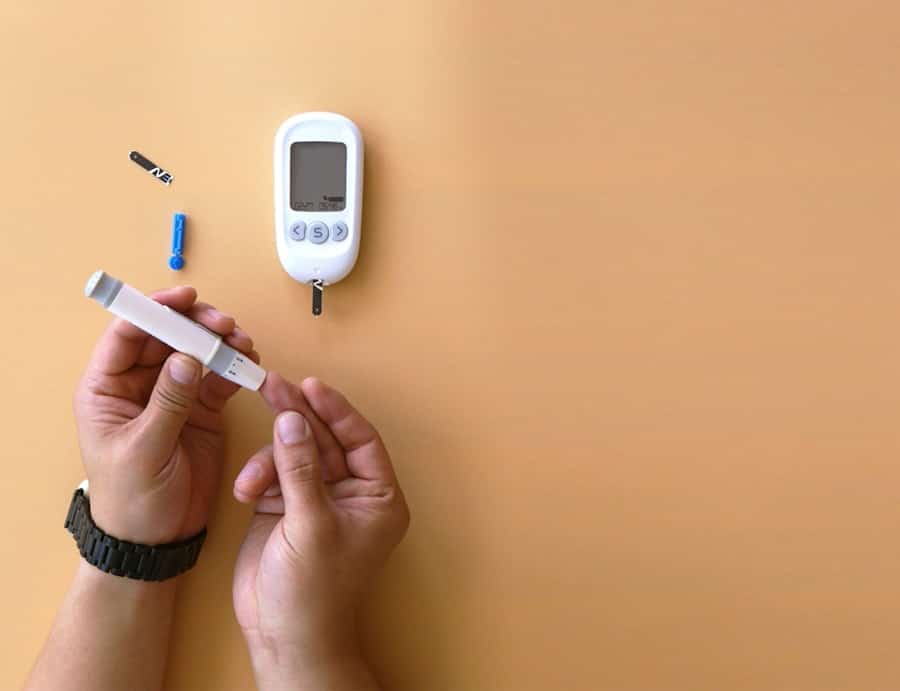
While health supplements can be beneficial for managing insulin resistance, it’s important to be aware of potential side effects and interactions with other medications or supplements you may be taking. Some individuals may experience gastrointestinal discomfort or allergic reactions when starting new supplements. Therefore, it’s advisable to introduce one supplement at a time and monitor how your body responds.
Moreover, certain supplements may interact with prescription medications or other over-the-counter products. For example, chromium can enhance the effects of diabetes medications, potentially leading to hypoglycemia if not monitored closely. Always consult with a healthcare professional before adding new supplements to your routine, especially if you are currently taking medications for diabetes or other health conditions.
Lifestyle Changes to Support Health Supplements in Managing Insulin Resistance
In addition to incorporating health supplements into your routine, making lifestyle changes is crucial for effectively managing insulin resistance. A balanced diet rich in whole foods—such as fruits, vegetables, lean proteins, and healthy fats—can significantly impact your body’s ability to respond to insulin. Reducing your intake of processed foods and sugars will also help stabilize blood sugar levels.
Regular physical activity is another essential component of managing insulin resistance. Engaging in both aerobic exercises and strength training can improve insulin sensitivity and promote weight loss. Aim for at least 150 minutes of moderate-intensity exercise each week.
Additionally, prioritizing sleep and stress management techniques—such as mindfulness or yoga—can further support your efforts in managing this condition.
Consultation with Healthcare Professionals for Managing Insulin Resistance
Consulting with healthcare professionals is an important step in effectively managing insulin resistance. A registered dietitian or nutritionist can provide personalized dietary recommendations tailored to your specific needs and preferences. They can help you create a meal plan that supports stable blood sugar levels while ensuring you receive all necessary nutrients.
Furthermore, working with a healthcare provider allows you to monitor your progress and make adjustments as needed. Regular check-ups can help track your blood sugar levels and assess the effectiveness of any supplements or lifestyle changes you’ve implemented. By collaborating with professionals who understand your unique situation, you can develop a comprehensive approach to managing insulin resistance that promotes long-term health and well-being.
In conclusion, understanding insulin resistance is the first step toward effective management. By recognizing its importance and exploring the role of health supplements alongside lifestyle changes, you can take charge of your health journey. Remember that consultation with healthcare professionals is key to ensuring that your approach is safe and effective.
With dedication and informed choices, you can successfully manage insulin resistance and improve your overall quality of life.
If you are interested in learning more about what the body needs to be healthy, check out this informative article here. Understanding the importance of nutrition and exercise in maintaining overall health is crucial, especially when dealing with conditions like insulin resistance. In addition to health supplements, incorporating regular physical activity into your routine can help manage weight and improve insulin sensitivity. To learn more about effective exercises for weight loss, read this article