
Beta-alanine is a non-essential amino acid that plays a crucial role in the synthesis of carnosine, a dipeptide found in muscle tissue. Unlike other amino acids, beta-alanine is not used to build proteins directly; instead, it serves as a precursor to carnosine, which helps buffer acid in muscles during high-intensity exercise. This buffering action is vital for maintaining optimal performance during strenuous activities.
You may find beta-alanine in various food sources, particularly in animal products like meat and fish, but the amounts are relatively low compared to what you would get from supplementation. As a supplement, beta-alanine has gained popularity among athletes and fitness enthusiasts alike. It is often marketed for its ability to enhance performance and endurance.
When you consume beta-alanine, it increases the levels of carnosine in your muscles, which can lead to improved exercise capacity and reduced fatigue. This makes it an appealing option for those looking to push their limits in training or competition. Understanding what beta-alanine is and how it functions can help you make informed decisions about its potential benefits for your fitness journey.
Key Takeaways
- Beta-Alanine is a non-essential amino acid that helps increase muscle carnosine levels, which can improve exercise performance and muscle endurance.
- Beta-Alanine supplementation can enhance muscle performance by delaying fatigue, increasing muscle strength, and improving overall exercise capacity.
- Beta-Alanine improves exercise capacity by buffering the build-up of lactic acid in muscles, allowing for longer and more intense workouts.
- Beta-Alanine plays a crucial role in pH balance by increasing muscle carnosine levels, which helps maintain optimal pH levels during high-intensity exercise.
- Beta-Alanine contributes to energy production by supporting the production of carnosine, which helps muscles perform better during high-intensity activities.
- The recommended dosage of Beta-Alanine as a health supplement is 2-5 grams per day, taken in divided doses to minimize the tingling sensation known as paresthesia.
- Potential side effects of Beta-Alanine supplementation may include tingling sensations, itching, and flushing, but overall it is considered safe for most people when taken in recommended doses.
- In conclusion, Beta-Alanine has a positive impact on muscle performance and exercise capacity by delaying fatigue, improving muscle endurance, and supporting energy production during high-intensity activities.
Benefits of Beta-Alanine for Muscle Performance
Delayed Fatigue and Improved Endurance
During high-intensity workouts, muscles produce lactic acid, which can lead to fatigue and decreased performance. Beta-alanine helps to buffer this acid by increasing carnosine levels, allowing athletes to sustain higher levels of intensity for longer periods.
Increased Strength and Power Output
Studies have shown that beta-alanine supplementation can lead to significant improvements in strength and power output. Athletes may notice that they can perform more repetitions or lift heavier weights when incorporating beta-alanine into their routine, whether they’re lifting weights, sprinting, or engaging in high-intensity interval training (HIIT).
Long-term Muscle Growth and Fitness Improvement
The enhancement in muscle performance not only contributes to better workout sessions but also aids in muscle growth over time. As athletes become stronger and more capable, they may find that their overall fitness level improves, leading to greater achievements in their athletic pursuits.
How Beta-Alanine Improves Exercise Capacity

Beta-alanine’s impact on exercise capacity is primarily linked to its role in increasing muscle carnosine levels. Carnosine acts as a buffer against the accumulation of hydrogen ions produced during intense exercise, which can lead to muscle fatigue. By supplementing with beta-alanine, you can elevate your muscle carnosine concentrations, allowing you to perform at higher intensities for extended periods.
This means that during your workouts, you may experience less fatigue and be able to maintain your performance levels longer. In practical terms, this translates to improved endurance and stamina. If you’re training for a marathon or participating in sports that require sustained effort, beta-alanine can be a game-changer.
You might find that you can run longer distances or complete more rounds of your favorite circuit without feeling as drained as before. The enhanced exercise capacity not only benefits your physical performance but also boosts your confidence as you achieve new personal bests and reach your fitness goals.
The Role of Beta-Alanine in pH Balance
Maintaining an optimal pH balance in your muscles is essential for peak performance during exercise. When you engage in high-intensity activities, the production of lactic acid can lead to a drop in pH levels, resulting in an acidic environment that hampers muscle function. Beta-alanine plays a pivotal role in counteracting this effect by increasing carnosine levels, which helps buffer the acidity in your muscles.
By stabilizing pH levels, beta-alanine allows you to perform at higher intensities without succumbing to fatigue as quickly. This buffering capacity is particularly beneficial during prolonged or repeated bouts of high-intensity exercise. You may notice that workouts feel more manageable and that you’re able to maintain your focus and energy levels throughout your training sessions.
Ultimately, the role of beta-alanine in pH balance contributes significantly to your overall performance and endurance.
Beta-Alanine and Energy Production
While beta-alanine is not directly involved in energy production like some other amino acids, its influence on muscle performance indirectly supports energy systems during exercise. By increasing carnosine levels and enhancing pH balance, beta-alanine allows your muscles to function more efficiently under stress. This efficiency translates into better energy utilization during workouts.
When you’re able to buffer lactic acid effectively, your muscles can continue to produce energy through anaerobic pathways without being hindered by fatigue. This means that during high-intensity efforts, you may experience less of a decline in energy output as the workout progresses. As a result, incorporating beta-alanine into your supplement regimen can help you maximize your energy potential and improve overall workout quality.
Dosage and Usage of Beta-Alanine as a Health Supplement
Dosage Guidelines for Effective Supplementation
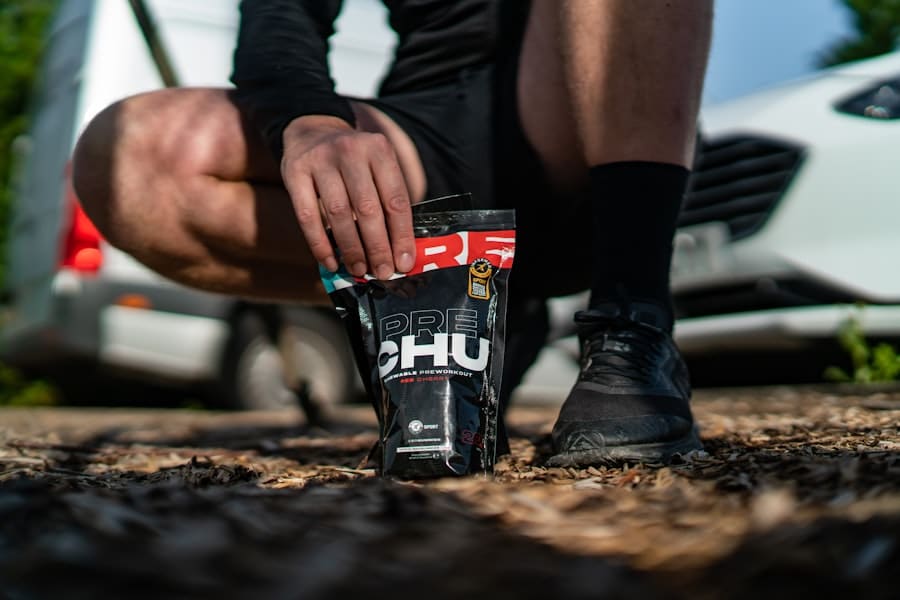
When considering beta-alanine supplementation, it’s crucial to understand the appropriate dosage for optimal results. Research suggests that a daily intake of 2 to 5 grams of beta-alanine is effective for enhancing muscle carnosine levels and improving performance. To minimize potential side effects, such as tingling sensations known as paresthesia, you may want to split this dosage into smaller servings throughout the day.
Timing Strategies for Enhanced Efficacy
The timing of beta-alanine supplementation can also impact its effectiveness. While some individuals prefer taking it before workouts for an immediate boost, others find that consistent daily use leads to the best results over time. You may want to experiment with different timing strategies to see what works best for your body and training schedule.
Combining Beta-Alanine with Other Supplements for Enhanced Results
Combining beta-alanine with other supplements like creatine or branched-chain amino acids (BCAAs) can further enhance its effects on muscle performance. This synergistic approach may help you achieve even greater improvements in muscle function and overall athletic performance.
Potential Side Effects and Risks of Beta-Alanine
While beta-alanine is generally considered safe for most individuals when taken within recommended dosages, there are some potential side effects to be aware of. The most commonly reported side effect is paresthesia, which manifests as a tingling sensation in the skin, particularly when taken in higher doses or on an empty stomach. Although this sensation can be uncomfortable for some, it is not harmful and typically subsides shortly after ingestion.
In rare cases, individuals may experience gastrointestinal discomfort or allergic reactions when taking beta-alanine supplements. If you have any pre-existing medical conditions or are taking medications, it’s wise to consult with a healthcare professional before starting any new supplement regimen. Being informed about potential side effects allows you to make educated choices about incorporating beta-alanine into your fitness routine while minimizing any risks.
The Overall Impact of Beta-Alanine on Muscle Performance and Exercise Capacity
In conclusion, beta-alanine emerges as a powerful ally for those seeking to enhance their muscle performance and exercise capacity. By increasing carnosine levels in the muscles, it effectively buffers lactic acid buildup, allowing you to sustain higher intensities for longer periods without succumbing to fatigue. The benefits extend beyond just improved endurance; you may also experience gains in strength and power output as a result of incorporating this supplement into your routine.
As you consider adding beta-alanine to your supplement arsenal, it’s essential to understand the appropriate dosages and potential side effects associated with its use. With proper guidance and awareness, you can harness the advantages of beta-alanine to elevate your training sessions and achieve new heights in your fitness journey. Whether you’re an athlete aiming for peak performance or simply someone looking to improve their overall fitness level, beta-alanine could be the key ingredient that propels you toward success.
If you are interested in learning more about health nutrition supplements, you may want to check out this article What Are Health Nutrition Supplements?. It provides valuable information on the different types of supplements available and their benefits. Additionally, if you are looking to improve your overall health and well-being, you may also want to read about the benefits of Vitamin A in this article Vitamin A. For those interested in supplements specifically for muscle building and sports performance, this article Supplements for Muscle Building and Sports Performance offers insights into the best options available.
FAQs
What is Beta-Alanine?
Beta-alanine is a non-essential amino acid that is naturally produced in the body. It is also found in foods such as poultry, fish, and meat.
What are the benefits of Beta-Alanine as a health supplement?
Beta-alanine is known for its ability to increase muscle carnosine levels, which can improve muscle performance, exercise capacity, pH balance, and energy production during high-intensity activities.
How does Beta-Alanine improve muscle performance?
Beta-alanine increases muscle carnosine levels, which helps to buffer the build-up of lactic acid in muscles during exercise. This can delay muscle fatigue and improve overall muscle performance.
What is the recommended dosage of Beta-Alanine?
The recommended dosage of beta-alanine varies, but typical doses range from 2 to 5 grams per day. It is often taken in divided doses throughout the day to minimize the tingling sensation known as paresthesia.
Are there any side effects of taking Beta-Alanine?
The most common side effect of beta-alanine supplementation is a harmless tingling sensation known as paresthesia. This sensation can be minimized by taking smaller doses throughout the day.
Is Beta-Alanine safe to take with other supplements or medications?
Beta-alanine is generally safe to take with other supplements or medications, but it is always best to consult with a healthcare professional before adding any new supplement to your routine, especially if you have any underlying health conditions or are taking medications.