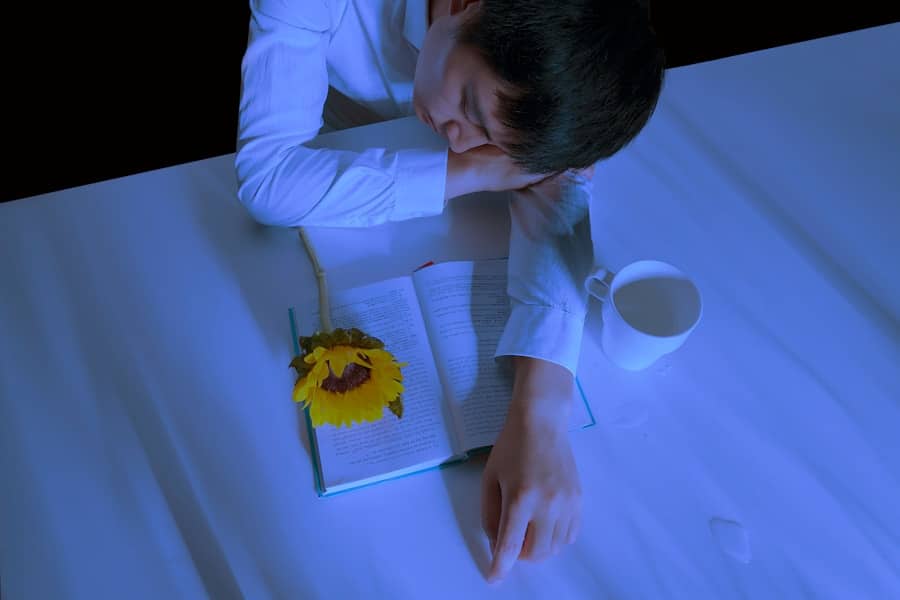
As you navigate the complexities of sleep issues, you may find yourself questioning the long-term use of medications like Ambien CR. While this prescription sleep aid can be effective for some, it often comes with a host of side effects and potential dependency issues. You might have experienced grogginess the next day, memory lapses, or even unusual behaviors while under its influence.
These concerns can lead you to seek alternatives that are not only effective but also promote a healthier sleep cycle without the risks associated with pharmaceuticals. Moreover, the growing awareness of the importance of holistic health has prompted many to explore natural and lifestyle-based solutions for insomnia. You may feel empowered by the idea that you can take control of your sleep patterns through various methods that align with your overall well-being.
Understanding the need for alternatives to Ambien CR is not just about avoiding side effects; it’s about embracing a more comprehensive approach to health that prioritizes sustainable and natural solutions for better sleep.
Key Takeaways
- Ambien CR may not be suitable for everyone and alternative options should be considered for better sleep.
- Lifestyle changes such as regular exercise and avoiding caffeine and electronics before bed can improve sleep quality.
- Herbal remedies like valerian root and chamomile tea can be effective in treating insomnia.
- Cognitive behavioral therapy can help address underlying issues causing sleep disturbances and improve sleep patterns.
- Relaxation techniques such as deep breathing and meditation can promote better sleep.
- Creating a sleep-friendly environment with a comfortable mattress and dark, quiet room can enhance sleep quality.
- Dietary changes like avoiding heavy meals and alcohol before bed can contribute to improved sleep.
- Seeking professional help from a sleep specialist can provide personalized treatment for sleep disorders.
Lifestyle changes for better sleep
Establish a Consistent Sleep Schedule
Going to bed and waking up at the same time every day helps regulate your body’s internal clock, making it easier for you to fall asleep and wake up feeling refreshed.
Develop a Bedtime Routine
You might find that setting a bedtime routine—such as dimming the lights, reading a book, or practicing gentle stretches—can signal to your body that it’s time to wind down.
Evaluate Your Daily Habits
In addition to a consistent schedule, evaluating your daily habits can also contribute significantly to better sleep. You may want to limit caffeine and nicotine intake, especially in the hours leading up to bedtime, as these stimulants can disrupt your ability to fall asleep. Incorporating regular physical activity into your routine can also be beneficial; however, try to avoid vigorous exercise close to bedtime, as it may energize you rather than help you relax.
Herbal remedies for insomnia

Exploring herbal remedies can be an intriguing avenue for addressing your insomnia. Many people have turned to natural options like chamomile tea, valerian root, and lavender for their calming properties. Chamomile, in particular, is well-known for its soothing effects and can be easily incorporated into your evening routine as a warm beverage before bed.
You might find that sipping on chamomile tea not only helps you unwind but also prepares your mind and body for a restful night. Valerian root is another popular herbal remedy that has been used for centuries to promote relaxation and improve sleep quality. Available in various forms such as capsules, teas, or tinctures, valerian root may help reduce the time it takes for you to fall asleep.
Lavender essential oil is also worth considering; its calming scent can be diffused in your bedroom or applied topically (diluted with a carrier oil) to enhance relaxation. By integrating these herbal remedies into your nightly routine, you may discover a natural path toward achieving the restful sleep you desire.
Cognitive behavioral therapy for sleep
Cognitive Behavioral Therapy for Insomnia (CBT-I) is an evidence-based approach that focuses on changing the thoughts and behaviors contributing to your sleep difficulties. If you’ve found yourself caught in a cycle of anxiety about not being able to sleep, CBT-I could be a transformative option for you. This therapy helps identify negative thought patterns and replaces them with healthier ones, allowing you to approach sleep with a more positive mindset.
In addition to addressing cognitive aspects, CBT-I often includes behavioral strategies such as stimulus control and sleep restriction. Stimulus control encourages you to associate your bed with sleep rather than wakefulness by limiting activities like watching TV or working in bed. Sleep restriction involves limiting the amount of time spent in bed to match your actual sleep duration, which can help consolidate your sleep over time.
By engaging in CBT-I, you may find that not only do you improve your sleep quality, but you also develop a healthier relationship with sleep itself.
Relaxation techniques for better sleep
Incorporating relaxation techniques into your nightly routine can significantly enhance your ability to fall asleep and stay asleep. You might consider practices such as deep breathing exercises, progressive muscle relaxation, or guided imagery. Deep breathing involves focusing on slow, intentional breaths, which can help calm your nervous system and reduce stress levels.
As you practice this technique, you may notice a gradual release of tension in both your mind and body. Progressive muscle relaxation is another effective method where you systematically tense and then relax different muscle groups throughout your body. This practice not only promotes physical relaxation but also encourages mindfulness as you become more aware of how tension manifests in your body.
Guided imagery involves visualizing peaceful scenes or experiences that evoke feelings of calmness and tranquility. By incorporating these relaxation techniques into your pre-sleep routine, you may find it easier to transition into a restful state conducive to quality sleep.
Creating a sleep-friendly environment
Comfortable Bedding: The Foundation of a Good Night’s Sleep
Your mattress and pillows play a crucial role in determining the quality of your rest. You deserve a supportive mattress that suits your sleeping style, whether you’re a back, side, or stomach sleeper, and pillows that provide adequate neck support.
A Dark, Quiet, and Cool Environment: The Key to Better Sleep
Investing in quality bedding can make a significant difference in how well you sleep. In addition to comfort, consider the lighting and noise levels in your bedroom. A dark room is conducive to better sleep; blackout curtains or eye masks can help block out unwanted light. Similarly, minimizing noise disturbances is essential; white noise machines or earplugs can create a more peaceful environment if external sounds are an issue.
The Ideal Room Temperature for a Restful Night’s Sleep
Finally, maintaining a cool room temperature, ideally between 60-67 degrees, can further enhance your comfort and promote deeper sleep. By thoughtfully curating your sleep environment, you set the stage for restorative rest each night.
Dietary changes for improved sleep
Your diet can significantly influence your ability to achieve restful sleep. To promote better sleep quality, consider incorporating foods rich in magnesium and tryptophan into your meals. Magnesium is known for its calming properties and can be found in foods like leafy greens, nuts, seeds, and whole grains.
Tryptophan is an amino acid that helps produce serotonin and melatonin—hormones essential for regulating sleep—and is present in foods such as turkey, eggs, and dairy products. On the flip side, it’s wise to limit heavy meals close to bedtime as they can lead to discomfort and disrupt your ability to fall asleep. Additionally, reducing sugar intake and avoiding spicy foods in the evening can help prevent digestive issues that might interfere with restful slumber.
By making mindful dietary choices throughout the day and especially in the hours leading up to bedtime, you may find that your body is better equipped for restorative sleep.
Seeking professional help for sleep disorders
If you’ve tried various strategies without success, it may be time to seek professional help for your sleep disorders. Consulting with a healthcare provider or a sleep specialist can provide valuable insights into underlying issues that may be affecting your ability to rest well at night. They may recommend diagnostic tests such as a sleep study to assess any potential conditions like sleep apnea or restless leg syndrome.
In addition to medical evaluations, professionals can guide you through tailored treatment options based on your specific needs. This could include therapy options like CBT-I or medication management if necessary. Remember that seeking help is not a sign of weakness; rather, it’s an important step toward reclaiming your health and well-being through improved sleep quality.
By addressing any underlying issues with professional guidance, you can pave the way for more restful nights and rejuvenated days ahead.
If you are looking for natural alternatives to Ambien CR, you may want to consider incorporating a healthy diet into your routine. According to Health Nutrition Supplements, there are four types of nutrition that are essential for overall health and well-being. By focusing on consuming a balanced diet rich in vitamins, minerals, proteins, and carbohydrates, you may be able to improve your sleep quality without relying on medication. Additionally, scientific evidence supporting the effectiveness of nutrition in promoting better sleep can be found in another article on the same website. For more information on how to achieve a full night of rest naturally, check out Best Beauty and Health Products.
FAQs
What is Ambien CR?
Ambien CR is a prescription medication used to treat insomnia. It is a sedative-hypnotic drug that works by slowing down brain activity to help users fall asleep.
What are the potential side effects of Ambien CR?
Common side effects of Ambien CR may include drowsiness, dizziness, headache, nausea, and diarrhea. More serious side effects can include memory loss, sleepwalking, and allergic reactions.
Are there natural alternatives to Ambien CR for treating insomnia?
Yes, there are several natural alternatives to Ambien CR for promoting a full night of rest. These can include establishing a regular sleep schedule, practicing relaxation techniques, avoiding caffeine and electronic devices before bed, and using herbal supplements such as valerian root or melatonin.
Can lifestyle changes help improve sleep quality without the use of Ambien CR?
Yes, making lifestyle changes such as exercising regularly, maintaining a healthy diet, and creating a comfortable sleep environment can all contribute to improved sleep quality without the need for medication.
Are there any non-prescription sleep aids that can be used as alternatives to Ambien CR?
Yes, there are non-prescription sleep aids available, such as over-the-counter melatonin supplements, herbal teas, and aromatherapy products, that can help promote relaxation and improve sleep quality. It is important to consult with a healthcare professional before using any new sleep aid.