
As a vegetarian, you may find that your dietary choices require a deeper understanding of your nutritional needs. Unlike omnivores, vegetarians do not consume meat, which can lead to potential gaps in essential nutrients. It’s crucial to recognize that while a vegetarian diet can be rich in fruits, vegetables, grains, and legumes, it may lack certain nutrients typically found in animal products.
This understanding is the first step toward ensuring that you maintain a balanced and healthy diet. You might be aware that protein is a vital component of any diet, and as a vegetarian, you need to be mindful of your protein sources. While legumes, nuts, seeds, and dairy products can provide adequate protein, it’s essential to combine different sources to ensure you’re getting all the necessary amino acids.
Additionally, you should pay attention to other nutrients such as iron, calcium, vitamin B12, and omega-3 fatty acids, which are often less abundant in plant-based diets. By understanding these nutritional needs, you can make informed choices that support your overall health and well-being.
Key Takeaways
- Understanding the Nutritional Needs of Vegetarians:
- Vegetarians need to pay attention to their intake of protein, iron, calcium, vitamin D, and vitamin B12.
- Plant-based sources of these nutrients include legumes, tofu, leafy greens, fortified plant milks, and nutritional yeast.
- Importance of Essential Health Supplements for Vegetarians:
- Supplements can help fill the nutritional gaps in a vegetarian diet, especially for vitamin B12, iron, and omega-3 fatty acids.
- It’s important for vegetarians to choose high-quality supplements to ensure they are getting the nutrients they need.
- Key Vitamins and Minerals for Vegetarians to Consider:
- Vitamin B12 is essential for nerve function and red blood cell production.
- Iron is important for oxygen transport in the body and can be found in sources like lentils, spinach, and fortified cereals.
- Best Essential Health Supplements for Vegetarians:
- Some of the best supplements for vegetarians include vitamin B12, iron, omega-3 fatty acids, vitamin D, and calcium.
- Tips for Choosing the Right Health Supplements for Vegetarians:
- Look for supplements that are specifically formulated for vegetarians and are third-party tested for quality and purity.
- Consider consulting a healthcare professional to determine which supplements are best for your individual needs.
- Incorporating Essential Health Supplements into a Vegetarian Diet:
- Supplements can be easily incorporated into a vegetarian diet by taking them with meals or snacks.
- It’s important to follow the recommended dosage for each supplement to avoid any potential risks or side effects.
- Potential Risks and Side Effects of Health Supplements for Vegetarians:
- Overconsumption of certain nutrients, such as iron, can lead to toxicity and adverse health effects.
- It’s important to be mindful of potential interactions between supplements and any medications you may be taking.
- Consulting a Healthcare Professional for Personalized Supplement Recommendations:
- A healthcare professional can help determine which supplements are necessary based on individual dietary habits and health needs.
- They can also provide guidance on proper dosage and potential interactions with other medications or supplements.
Importance of Essential Health Supplements for Vegetarians
Boosting Energy and Immune Function
They can help fill the gaps in your nutrition and ensure that you are meeting your body’s requirements for optimal functioning. You may find that certain health supplements can enhance your energy levels, improve your immune system, and support your mental well-being.
Preventing Deficiencies
For instance, if you struggle to get enough vitamin B12 from your diet, a supplement can help prevent deficiencies that could lead to fatigue or neurological issues.
Taking Control of Your Health
By recognizing the importance of these supplements, you empower yourself to take control of your health and make choices that align with your vegetarian lifestyle.
Key Vitamins and Minerals for Vegetarians to Consider
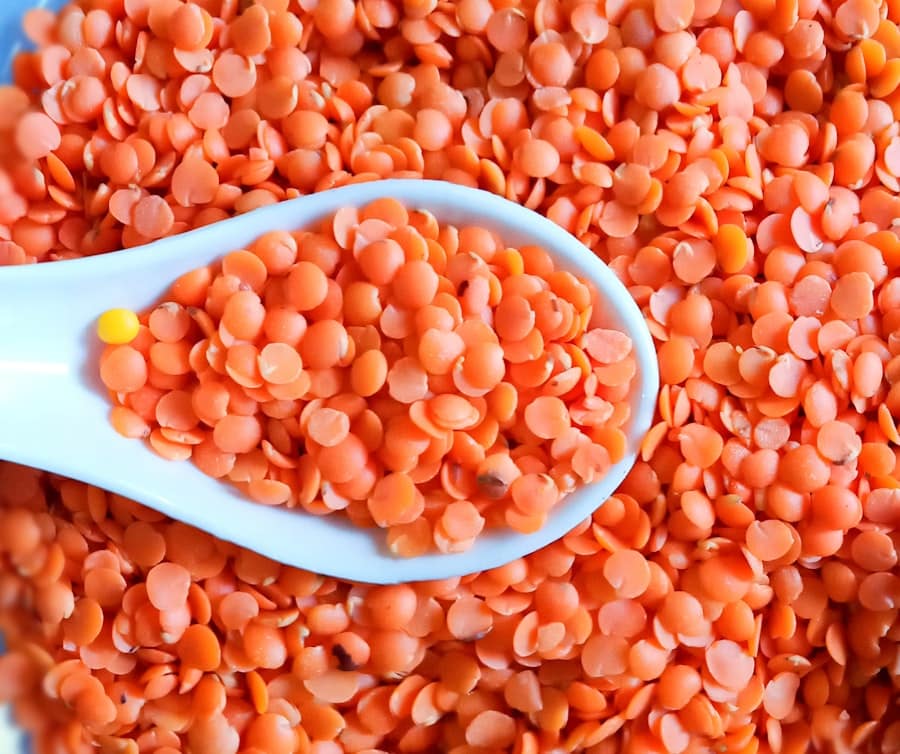
As you navigate your vegetarian journey, it’s essential to focus on specific vitamins and minerals that are crucial for your health. One of the most significant nutrients to consider is vitamin B12. This vitamin is primarily found in animal products, so if you’re not consuming meat or dairy, you may need to seek out fortified foods or supplements to meet your needs.
A deficiency in B12 can lead to anemia and neurological problems, making it vital for you to monitor your intake. Another important nutrient is iron. While plant-based sources of iron exist—such as lentils, beans, and spinach—they are not as easily absorbed by the body as the iron found in meat.
To enhance absorption, consider pairing iron-rich foods with vitamin C sources like citrus fruits or bell peppers. Additionally, calcium is crucial for bone health, especially if you’re not consuming dairy products. You can find calcium in fortified plant milks, tofu, and leafy greens.
By focusing on these key vitamins and minerals, you can create a more balanced vegetarian diet that supports your health.
Best Essential Health Supplements for Vegetarians
| Supplement | Benefits | Recommended Dosage |
|---|---|---|
| Vitamin B12 | Supports nerve function and red blood cell production | 2.4 mcg per day |
| Iron | Prevents anemia and supports energy levels | 18 mg per day |
| Omega-3 fatty acids | Supports heart health and brain function | 250-500 mg per day |
| Calcium | Supports bone health and muscle function | 1,000-1,200 mg per day |
When it comes to selecting the best essential health supplements for your vegetarian diet, there are several options worth considering. A high-quality vitamin B12 supplement is often at the top of the list for vegetarians. Whether in the form of tablets, sublinguals, or injections, ensuring adequate B12 intake is crucial for maintaining energy levels and supporting nerve function.
Omega-3 fatty acids are another supplement that can be beneficial for vegetarians. Since these healthy fats are primarily found in fish, you might want to consider algae-based omega-3 supplements as a plant-friendly alternative. These supplements can help support heart health and cognitive function.
Additionally, a good quality multivitamin designed specifically for vegetarians can provide a broad spectrum of nutrients that may be lacking in your diet. By choosing the right supplements, you can enhance your overall health and well-being.
Tips for Choosing the Right Health Supplements for Vegetarians
Selecting the right health supplements can feel overwhelming given the vast array of options available on the market. To simplify this process, start by assessing your individual dietary needs and lifestyle factors. Consider keeping a food diary to track what you eat over a week or two; this will help you identify any potential nutrient gaps that need addressing through supplementation.
When choosing supplements, always opt for high-quality products from reputable brands. Look for third-party testing certifications to ensure that what you’re taking is safe and effective. Additionally, pay attention to the ingredient list; avoid supplements with unnecessary fillers or artificial additives.
It’s also wise to consult with a healthcare professional or registered dietitian who specializes in vegetarian nutrition to help guide your choices based on your specific needs.
Incorporating Essential Health Supplements into a Vegetarian Diet

Integrating essential health supplements into your vegetarian diet doesn’t have to be complicated. Start by establishing a routine that works for you; consistency is key when it comes to reaping the benefits of supplementation. You might find it helpful to take your supplements at the same time each day—perhaps with breakfast or dinner—to create a habit that’s easy to maintain.
Consider pairing your supplements with meals that enhance their absorption. For example, taking vitamin D with a meal containing healthy fats can improve its effectiveness. If you’re taking iron supplements, avoid consuming them with calcium-rich foods or beverages like dairy products or fortified plant milks, as these can inhibit absorption.
By being mindful of how and when you take your supplements, you can maximize their benefits and support your overall health.
Potential Risks and Side Effects of Health Supplements for Vegetarians
While health supplements can provide numerous benefits, it’s essential to be aware of potential risks and side effects associated with their use. Over-supplementation can lead to toxicity or imbalances in your body; for instance, excessive iron intake can cause gastrointestinal issues or more severe health problems. Therefore, it’s crucial to adhere to recommended dosages and consult with a healthcare professional before starting any new supplement regimen.
Additionally, some individuals may experience allergic reactions or sensitivities to certain ingredients found in supplements. Always read labels carefully and be cautious if you have known allergies or intolerances. If you notice any adverse effects after starting a new supplement, discontinue use immediately and consult with a healthcare provider for guidance.
Consulting a Healthcare Professional for Personalized Supplement Recommendations
As you embark on your journey toward optimal health as a vegetarian, consulting a healthcare professional can be invaluable. A registered dietitian or nutritionist who specializes in vegetarian diets can provide personalized recommendations tailored to your unique needs and lifestyle. They can help assess your current dietary intake and identify any potential deficiencies that may require supplementation.
Moreover, healthcare professionals can guide you on how to incorporate supplements effectively into your diet while considering any pre-existing health conditions or medications you may be taking. By seeking expert advice, you empower yourself with knowledge and resources that will enable you to make informed decisions about your health and well-being as a vegetarian. In conclusion, understanding the nutritional needs of vegetarians is essential for maintaining optimal health.
By recognizing the importance of essential health supplements and focusing on key vitamins and minerals, you can create a balanced diet that supports your lifestyle choices. With careful consideration when choosing supplements and guidance from healthcare professionals, you can navigate the world of vegetarian nutrition confidently and effectively.
If you are a vegetarian looking to improve your health through supplements, it is important to understand the basics of nutrition. A helpful article on this topic can be found at What is Nutrition in Simple Words. This article breaks down the essential components of a healthy diet and how they can be obtained through various food sources. Additionally, it is crucial to stay informed about industry news and trends in the world of health supplements. For more information on this subject, check out Industry News and Trends. Lastly, when choosing and using supplements, it is important to be aware of potential risks and interactions with medications. To learn more about this topic, read the article Choosing and Using Supplements: Potential Risks and Interactions with Medications. By staying informed and making educated choices, vegetarians can optimize their health and well-being with the help of supplements.
FAQs
What are health supplements for vegetarians?
Health supplements for vegetarians are products that are specifically designed to provide essential nutrients that may be lacking in a vegetarian diet. These supplements are formulated to support the unique nutritional needs of individuals who follow a vegetarian lifestyle.
What nutrients are commonly lacking in a vegetarian diet?
Some nutrients that are commonly lacking in a vegetarian diet include vitamin B12, iron, zinc, omega-3 fatty acids, and protein. These nutrients are often found in animal products, so vegetarians may need to supplement their diet to ensure they are meeting their nutritional needs.
What are some common health supplements for vegetarians?
Common health supplements for vegetarians include vitamin B12 supplements, iron supplements, zinc supplements, omega-3 fatty acid supplements (such as algae-based DHA and EPA), and protein supplements (such as pea protein or soy protein).
Are health supplements necessary for all vegetarians?
Not all vegetarians may need to take health supplements, as it depends on their individual diet and nutritional needs. However, some vegetarians may benefit from taking supplements to ensure they are getting all the essential nutrients they need for optimal health.
How can vegetarians determine if they need health supplements?
Vegetarians can determine if they need health supplements by consulting with a healthcare professional or a registered dietitian. These professionals can assess an individual’s diet and nutritional status to determine if supplementation is necessary.
Are there any potential risks or side effects associated with health supplements for vegetarians?
While health supplements can be beneficial, there may be potential risks or side effects associated with their use. It’s important for vegetarians to carefully read and follow the instructions on supplement labels, and to consult with a healthcare professional before starting any new supplement regimen.