Glutathione is a powerful antioxidant that plays a crucial role in maintaining your overall health. It is a tripeptide composed of three amino acids: cysteine, glutamine, and glycine. This unique structure allows glutathione to perform various functions in your body, including detoxification, immune system support, and cellular repair.
As you age or face environmental stressors, your body’s natural production of glutathione may decline, making it essential to understand its significance and how to maintain optimal levels. In essence, glutathione acts as a protector for your cells. It neutralizes free radicals—unstable molecules that can cause oxidative stress and damage to your cells.
By doing so, glutathione helps to prevent chronic diseases and supports the body’s natural healing processes. Understanding what glutathione is and how it functions can empower you to make informed choices about your health and well-being.
Key Takeaways
- Glutathione is a powerful antioxidant that is naturally produced in the body and plays a crucial role in protecting cells from damage and supporting the immune system.
- Glutathione is important for detoxification, immune function, and maintaining cellular health, making it essential for overall well-being.
- Foods rich in glutathione include fruits, vegetables, and certain meats and dairy products, which can help increase the body’s glutathione levels.
- Top foods with the most glutathione include asparagus, avocados, and spinach, which are excellent choices for boosting glutathione levels in the body.
- Consuming glutathione-rich foods can provide benefits such as improved immune function, enhanced detoxification, and protection against oxidative stress, making it important to incorporate them into your diet.
Importance of Glutathione in the Body
The importance of glutathione in your body cannot be overstated. It serves as a key player in various biochemical processes that are vital for your health. One of its primary roles is detoxification.
Glutathione binds to harmful substances, such as heavy metals and toxins, facilitating their removal from your body. This detoxifying action is essential for maintaining optimal liver function and overall health. Moreover, glutathione is integral to your immune system.
It helps regulate immune responses and protects your cells from damage caused by pathogens. When your glutathione levels are adequate, your body is better equipped to fend off infections and diseases. Additionally, glutathione plays a role in the synthesis of DNA and the repair of damaged cells, further underscoring its importance in maintaining cellular integrity and function.
Foods Rich in Glutathione
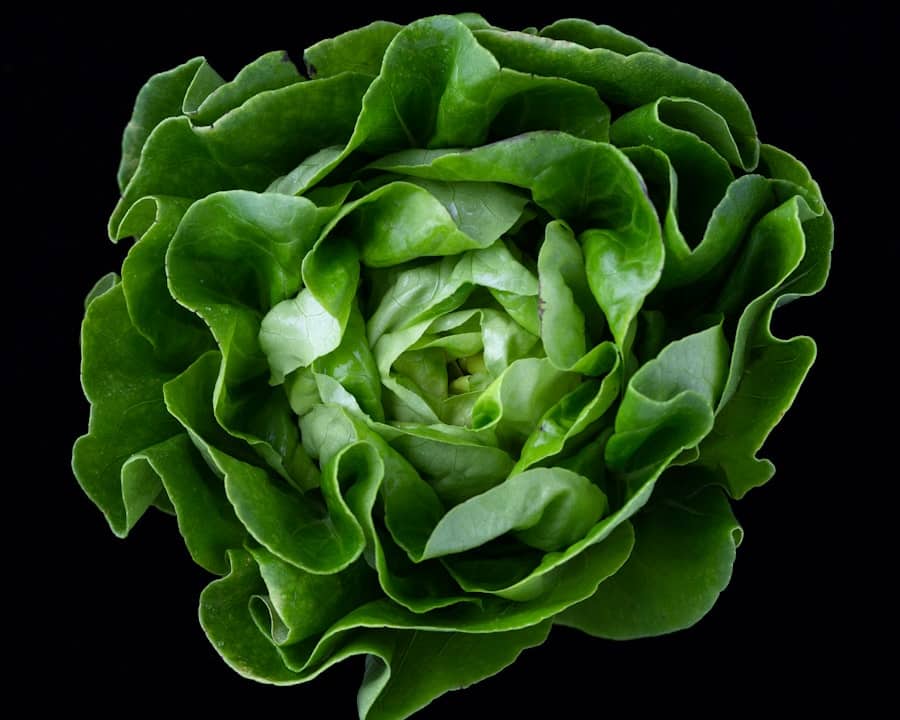
Incorporating foods rich in glutathione into your diet can significantly enhance your body’s antioxidant defenses. While your body produces glutathione naturally, certain foods can help boost its levels. These foods typically contain the amino acids necessary for glutathione synthesis or are rich in sulfur compounds that promote its production.
By focusing on these nutrient-dense options, you can support your health and well-being. Some of the most notable foods that contribute to glutathione levels include cruciferous vegetables like broccoli, Brussels sprouts, and kale. These vegetables are not only packed with vitamins and minerals but also contain compounds that stimulate the production of glutathione in your body.
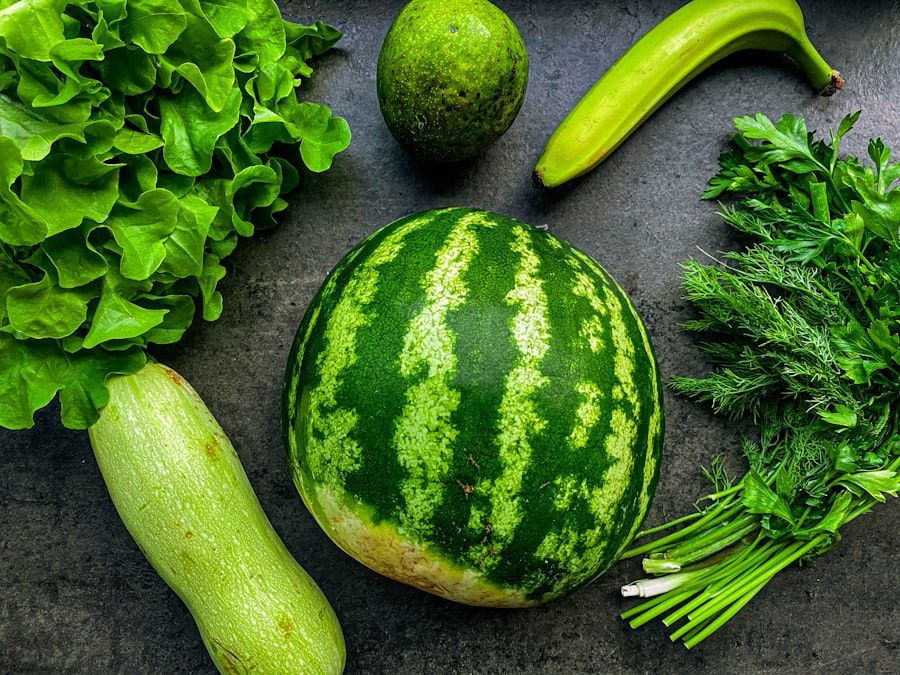
Additionally, fruits such as avocados and watermelon are excellent sources of antioxidants that can help maintain healthy glutathione levels.
Top Foods with the Most Glutathione
When it comes to maximizing your glutathione intake, certain foods stand out due to their high concentrations of this vital antioxidant. Spinach is one such food; it is not only versatile but also rich in glutathione, making it an excellent addition to salads, smoothies, or cooked dishes. Another powerhouse is asparagus, which has been shown to contain significant amounts of glutathione while also providing essential vitamins and minerals.
Garlic is another top contender for boosting your glutathione levels. This flavorful bulb contains sulfur compounds that enhance the production of glutathione in your body. Incorporating garlic into your meals not only adds flavor but also provides numerous health benefits.
Other foods worth mentioning include nuts like walnuts and pecans, which are rich in healthy fats and antioxidants that support overall health while contributing to glutathione levels.
Benefits of Consuming Glutathione-Rich Foods
Consuming glutathione-rich foods offers a multitude of benefits that extend beyond just increasing antioxidant levels. One significant advantage is improved detoxification processes. By regularly including these foods in your diet, you can enhance your body’s ability to eliminate toxins and harmful substances more efficiently.
This can lead to better liver function and overall health. Additionally, a diet rich in glutathione can support your immune system. With adequate levels of this antioxidant, your body can better combat infections and reduce inflammation.
This is particularly important during cold and flu seasons or when you’re exposed to environmental stressors. Furthermore, the antioxidant properties of glutathione can help protect against chronic diseases such as heart disease and cancer by reducing oxidative stress in your body.
How to Increase Glutathione Levels in the Body
Increasing your glutathione levels can be achieved through various lifestyle changes and dietary adjustments. One effective way is by consuming foods high in sulfur-containing amino acids, as these are essential for the synthesis of glutathione. Incorporating more protein sources like fish, poultry, eggs, and legumes into your meals can provide the necessary building blocks for this important antioxidant.
In addition to dietary changes, regular physical activity can also boost your body’s production of glutathione. Exercise promotes circulation and enhances cellular function, which can lead to increased levels of this vital antioxidant. Furthermore, managing stress through practices such as meditation or yoga can help maintain healthy glutathione levels by reducing oxidative stress on your body.
When considering how to increase your glutathione levels, you may come across both supplements and natural food sources. While supplements can provide a convenient way to boost your intake, they may not always be as effective as obtaining glutathione from whole foods. The body often absorbs nutrients better when they come from natural sources due to the presence of other beneficial compounds found in those foods.
Moreover, relying solely on supplements may not address the underlying factors that contribute to low glutathione levels, such as poor diet or lifestyle choices. By focusing on a balanced diet rich in fruits, vegetables, and other nutrient-dense foods, you can support your body’s natural ability to produce glutathione while reaping additional health benefits from the diverse range of nutrients these foods provide.
Incorporating Glutathione-Rich Foods into Your Diet
Incorporating glutathione-rich foods into your daily diet doesn’t have to be complicated or time-consuming. Start by adding a variety of colorful fruits and vegetables to your meals. For instance, consider tossing some spinach into your morning smoothie or enjoying a side of steamed broccoli with dinner.
Experimenting with different recipes can make it easier to include these nutrient-dense foods without feeling like it’s a chore. You might also consider meal prepping to ensure you always have healthy options on hand. Preparing large batches of soups or stir-fries that include garlic, asparagus, and cruciferous vegetables can make it simple to enjoy these foods throughout the week.
Additionally, snacking on nuts or incorporating avocado into salads can provide a delicious way to boost your glutathione intake while satisfying your hunger. By being mindful of the foods you consume and making small adjustments to your diet, you can significantly enhance your body’s levels of glutathione and support your overall health. Embracing a lifestyle that prioritizes nutrient-rich foods will not only benefit you in the short term but also contribute to long-term wellness as you age.
If you are interested in learning more about health and beauty tips, you may want to check out this article on health and beauty tips. It can provide valuable information on how to improve your overall well-being. Additionally, if you are looking for the best quality supplements, this article on best quality supplements may be of interest to you. It offers insights into how to choose supplements that are effective and safe.
FAQs
What is glutathione?
Glutathione is a powerful antioxidant that is naturally produced in the body. It plays a crucial role in protecting cells from oxidative damage and supporting the immune system.
Why is glutathione important for health?
Glutathione is important for health because it helps to neutralize free radicals, detoxify the body, and support the immune system. It also plays a role in maintaining the health of various organs and tissues.
Which foods are high in glutathione?
Foods that are high in glutathione include fruits and vegetables such as asparagus, avocados, spinach, and okra. Other sources of glutathione include garlic, onions, and certain meats and dairy products.
How does cooking affect the glutathione content in food?
Cooking can reduce the glutathione content in food, as it is a sensitive molecule that can be easily destroyed by heat. To preserve the glutathione content in food, it is best to consume raw or lightly cooked fruits and vegetables.
Can glutathione supplements be used to increase glutathione levels in the body?
While glutathione supplements are available, their effectiveness in increasing glutathione levels in the body is still a topic of debate among researchers. Some studies suggest that certain forms of glutathione supplements may be more effective than others, but more research is needed in this area.