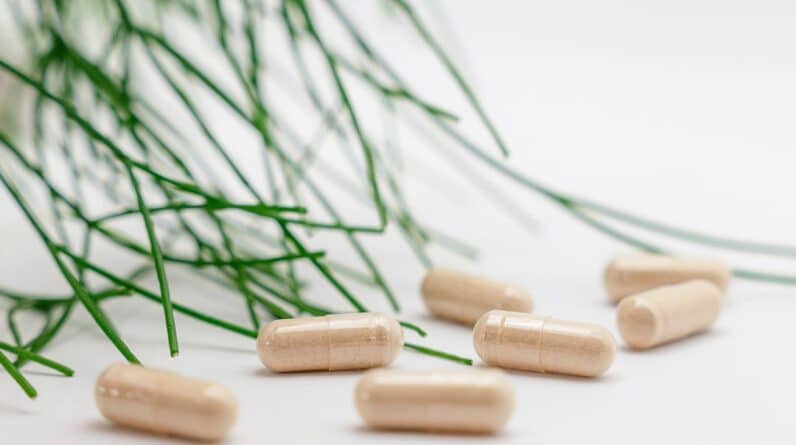
Glutathione pills are dietary supplements that contain glutathione, a powerful antioxidant naturally produced in your body. This tripeptide is composed of three amino acids: cysteine, glutamine, and glycine. It plays a crucial role in various bodily functions, including detoxification, immune system support, and the maintenance of cellular health.
As you age or face environmental stressors, your body’s natural production of glutathione may decline, leading to a growing interest in supplementation. These pills are marketed for their potential health benefits, which range from enhancing skin health to improving overall vitality. You may find glutathione supplements in various forms, including capsules, tablets, and powders.
The appeal of these supplements lies in their promise to boost your body’s antioxidant levels and combat oxidative stress, which can contribute to various health issues. However, understanding what glutathione pills are and how they function is essential before incorporating them into your routine.
Key Takeaways
- Glutathione pills are oral supplements that contain the antioxidant glutathione, which is naturally produced in the body.
- Glutathione works in the body by neutralizing free radicals, supporting the immune system, and detoxifying the liver.
- Potential benefits of glutathione pills include improved skin health, immune function, and liver detoxification.
- Potential side effects of glutathione pills may include stomach upset, allergic reactions, and worsening of asthma symptoms.
- Safety concerns and risks associated with glutathione pills include lack of regulation, potential interactions with medications, and long-term effects on the body.
How Glutathione Works in the Body
Glutathione operates as a master antioxidant within your body, neutralizing free radicals and reducing oxidative stress. Free radicals are unstable molecules that can damage cells and contribute to aging and various diseases. By maintaining a balance between free radicals and antioxidants, glutathione helps protect your cells from damage.
This protective role is vital for your overall health, as it supports cellular function and longevity. In addition to its antioxidant properties, glutathione plays a significant role in detoxification processes. It binds to harmful substances, such as heavy metals and toxins, facilitating their removal from your body.
This detoxification process is crucial for maintaining optimal health, especially in today’s environment filled with pollutants and chemicals. Furthermore, glutathione supports your immune system by promoting the proliferation of lymphocytes, the white blood cells responsible for fighting infections. By enhancing your immune response, glutathione helps you stay healthy and resilient against various illnesses.
Potential Benefits of Glutathione Pills

The potential benefits of glutathione pills are numerous and varied. One of the most commonly cited advantages is their ability to improve skin health. Many people take these supplements to achieve a brighter complexion and reduce the appearance of dark spots or hyperpigmentation.
Glutathione is believed to inhibit melanin production, which can lead to a more even skin tone. If you’re looking for a natural way to enhance your skin’s appearance, glutathione pills may be worth considering. In addition to skin benefits, glutathione supplementation may also support overall wellness.
Some studies suggest that it can improve energy levels and reduce fatigue, making it an appealing option for those who lead busy lives or experience chronic tiredness. Furthermore, glutathione’s role in detoxification can help your body eliminate harmful substances more effectively, potentially leading to improved liver function and overall health. As you explore the potential benefits of these supplements, it’s essential to consider how they align with your personal health goals.
Potential Side Effects of Glutathione Pills
While glutathione pills are generally considered safe for most people, they can cause side effects in some individuals. Common side effects may include gastrointestinal issues such as bloating, cramping, or diarrhea. If you have a sensitive stomach or a history of digestive problems, you might want to start with a lower dose to assess your tolerance before increasing it.
It’s essential to listen to your body and adjust your intake accordingly. In rare cases, some individuals may experience allergic reactions to glutathione supplements. Symptoms can range from mild skin rashes to more severe reactions like difficulty breathing or swelling of the face and throat.
If you notice any unusual symptoms after taking glutathione pills, it’s crucial to seek medical attention promptly. Being aware of these potential side effects can help you make informed decisions about whether glutathione supplementation is right for you.
Safety Concerns and Risks Associated with Glutathione Pills
When considering glutathione pills, it’s essential to be aware of safety concerns and potential risks associated with their use. One significant concern is the quality of the supplement itself. Not all products on the market are created equal; some may contain fillers or contaminants that could pose health risks.
Therefore, it’s vital to choose reputable brands that adhere to strict manufacturing standards. Another safety consideration is the interaction of glutathione with certain medications. If you’re taking prescription drugs or have underlying health conditions, it’s wise to consult with a healthcare professional before starting any new supplement regimen.
They can help you determine whether glutathione pills are appropriate for you and monitor any potential interactions with your current medications. Being proactive about your health can help you avoid unnecessary complications.
Who Should Avoid Glutathione Pills?

While many people can benefit from glutathione supplementation, certain individuals should exercise caution or avoid these pills altogether. For instance, if you are pregnant or breastfeeding, it’s advisable to consult with a healthcare provider before taking any supplements, including glutathione. The effects of glutathione on fetal development or nursing infants are not fully understood, so erring on the side of caution is wise.
Additionally, individuals with specific medical conditions should be cautious when considering glutathione pills. Those with asthma or other respiratory issues may experience adverse reactions due to the inhalation of certain forms of glutathione supplements. Furthermore, if you have a history of allergies or sensitivities to sulfur-containing compounds, you may want to avoid these supplements altogether.
Always prioritize your health by discussing any concerns with a qualified healthcare professional.
How to Choose a Safe and Effective Glutathione Supplement
Choosing a safe and effective glutathione supplement requires careful consideration and research. Start by looking for products that have undergone third-party testing for quality and purity. This testing ensures that the supplement contains what it claims on the label without harmful contaminants or fillers.
Reputable brands often provide transparency about their manufacturing processes and ingredient sourcing. Next, consider the form of glutathione that best suits your needs. Some people prefer liposomal glutathione due to its enhanced absorption properties, while others may opt for reduced glutathione in capsule form.
It’s essential to read reviews and seek recommendations from trusted sources before making a purchase. Additionally, consulting with a healthcare professional can provide valuable insights into which product may be most beneficial for you based on your individual health goals.
Are Glutathione Pills Safe?
In conclusion, glutathione pills can offer potential benefits for those looking to enhance their antioxidant levels and support overall health. However, it’s crucial to approach supplementation with caution and awareness of possible side effects and safety concerns. While many individuals tolerate these supplements well, others may experience adverse reactions or interactions with medications.
Ultimately, the decision to incorporate glutathione pills into your routine should be made thoughtfully and ideally in consultation with a healthcare professional. By doing so, you can ensure that you’re making informed choices that align with your health goals while minimizing risks associated with supplementation. As research continues to evolve in this area, staying informed will empower you to make the best decisions for your well-being.
Are Glutathione Pills Safe? This is a common question among those looking to improve their health through supplements. For more information on the best multivitamin for men, check out this article. It is important to do thorough research on popular supplement brands before incorporating them into your daily routine, as discussed in this comparison article. Additionally, if weight loss is a goal, be sure to read up on these amazing weight loss tips for a comprehensive approach to achieving your desired results.
FAQs
What are glutathione pills?
Glutathione pills are oral supplements that contain glutathione, a powerful antioxidant that is naturally produced in the body. These pills are often marketed for their potential health benefits, including skin lightening and anti-aging effects.
Are glutathione pills safe?
Glutathione pills are generally considered safe for most people when taken in appropriate doses. However, it is important to consult with a healthcare professional before taking any new supplement, especially if you have any underlying health conditions or are taking medications.
What are the potential side effects of glutathione pills?
Some potential side effects of glutathione pills may include stomach upset, allergic reactions, and interactions with certain medications. It is important to be aware of these potential side effects and to seek medical advice if you experience any adverse reactions.
Can glutathione pills interact with medications?
Yes, glutathione pills may interact with certain medications, including chemotherapy drugs and nitroglycerin. It is important to discuss any potential interactions with a healthcare professional before taking glutathione pills.
Are there any risks associated with long-term use of glutathione pills?
There is limited research on the long-term use of glutathione pills, so the potential risks are not well understood. It is important to use caution and to follow the recommended dosage guidelines when taking glutathione pills for an extended period of time.