Glutathione is a powerful antioxidant that plays a crucial role in maintaining your overall health. Composed of three amino acids—cysteine, glutamine, and glycine—this tripeptide is found in every cell of your body. Its primary function is to combat oxidative stress by neutralizing free radicals, which can cause cellular damage and contribute to various diseases.
By doing so, glutathione helps to protect your cells from damage, supports your immune system, and aids in detoxification processes. This means that maintaining adequate levels of glutathione is essential for your body to function optimally. In addition to its antioxidant properties, glutathione is involved in several metabolic processes.
It plays a vital role in the synthesis of DNA, the production of proteins, and the regulation of various cellular functions. Furthermore, glutathione is essential for the proper functioning of enzymes that are involved in detoxifying harmful substances. When your glutathione levels are low, you may experience increased susceptibility to infections, chronic diseases, and even accelerated aging.
Therefore, understanding how to boost your glutathione levels through diet and lifestyle choices can significantly impact your health and well-being.
Key Takeaways
- Glutathione is a powerful antioxidant that plays a crucial role in the body’s defense against oxidative stress and toxins.
- Foods with high glutathione content include asparagus, avocado, spinach, and okra, which can help boost the body’s glutathione levels.
- Fruits and vegetables rich in glutathione include oranges, peaches, watermelon, and tomatoes, providing a natural source of this important antioxidant.
- Protein sources with high glutathione levels include fish, chicken, and eggs, which can contribute to maintaining optimal glutathione levels in the body.
- To retain glutathione in foods, it is important to cook them at low temperatures and avoid prolonged storage, as well as consider using supplements and other methods to increase glutathione levels in the body.
Foods with High Glutathione Content
Incorporating foods rich in glutathione into your diet can be an effective way to enhance your body’s antioxidant defenses. While glutathione itself is not directly absorbed from food, certain foods can help increase its levels in your body. These foods typically contain precursors that support the synthesis of glutathione or are rich in sulfur-containing compounds that promote its production.
By focusing on these nutrient-dense options, you can help ensure that your body has the necessary building blocks to maintain optimal glutathione levels. Some of the most notable foods high in glutathione include cruciferous vegetables such as broccoli, Brussels sprouts, and kale. These vegetables not only provide a wealth of vitamins and minerals but also contain compounds that stimulate the production of glutathione in your body.
Additionally, foods like garlic and onions are excellent sources of sulfur, which is essential for the synthesis of this vital antioxidant. By incorporating a variety of these foods into your meals, you can create a balanced diet that supports your body’s natural ability to produce glutathione.
Fruits and Vegetables Rich in Glutathione
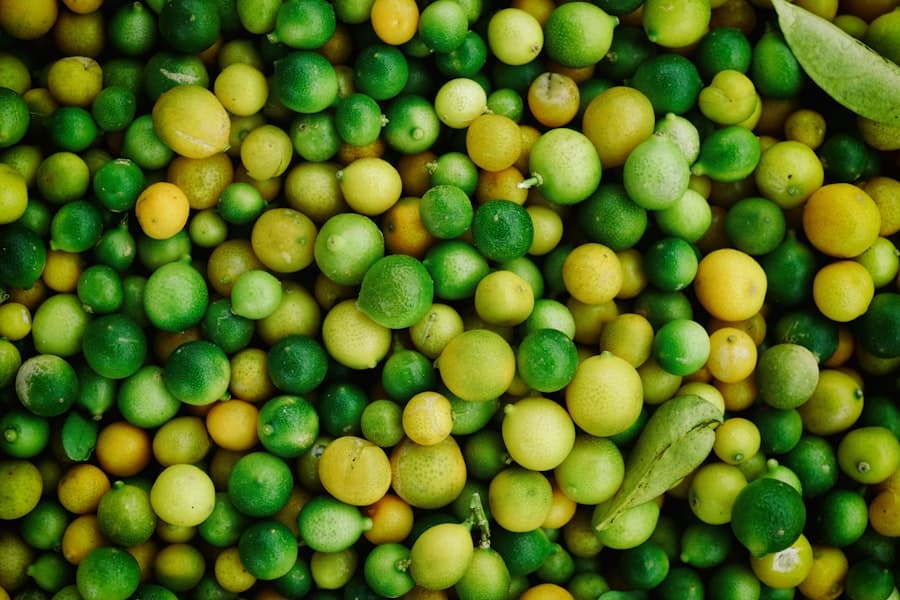
When it comes to fruits and vegetables that are particularly rich in glutathione, you have a plethora of options to choose from. Avocados are one of the standout choices; they are not only delicious but also packed with healthy fats and fiber. Their high glutathione content makes them an excellent addition to your diet if you’re looking to boost your antioxidant levels.
Additionally, asparagus is another vegetable that boasts a significant amount of glutathione, making it a great choice for salads or as a side dish. Spinach is yet another powerhouse when it comes to glutathione content. This leafy green is versatile and can be easily incorporated into smoothies, salads, or cooked dishes.
Other fruits like watermelon and strawberries also contribute to your glutathione intake while providing hydration and essential vitamins. By diversifying your fruit and vegetable choices, you can not only enjoy a range of flavors but also maximize your intake of this important antioxidant.
Protein Sources with High Glutathione Levels
Protein sources can also play a significant role in boosting your glutathione levels. Foods rich in sulfur-containing amino acids are particularly beneficial for enhancing the synthesis of this vital antioxidant. For instance, lean meats such as chicken and turkey are excellent sources of these amino acids, making them valuable additions to your diet.
Fish, especially salmon and tuna, also provide high-quality protein along with essential nutrients that support overall health. Plant-based protein sources can be equally effective in promoting glutathione production. Legumes like lentils and chickpeas are not only rich in protein but also contain compounds that support the synthesis of glutathione.
Nuts and seeds, such as walnuts and sunflower seeds, are other great options that provide healthy fats along with protein. By including a variety of protein sources in your meals, you can ensure that you’re getting the necessary nutrients to support optimal glutathione levels.
Cooking and Storage Tips to Retain Glutathione in Foods
To maximize the benefits of glutathione-rich foods, it’s essential to consider how you prepare and store them. Cooking methods can significantly impact the nutrient content of fruits and vegetables. For instance, steaming or lightly sautéing vegetables can help retain their glutathione levels better than boiling or frying.
When you cook vegetables at high temperatures for extended periods, you risk depleting their antioxidant content. Therefore, opting for gentler cooking methods can help preserve the integrity of these vital nutrients. Storage also plays a crucial role in maintaining glutathione levels in foods.
Fresh produce tends to lose its nutrient content over time, so it’s best to consume fruits and vegetables shortly after purchasing them. If you need to store them, keep them in a cool, dark place or in the refrigerator to slow down nutrient degradation. Additionally, consider freezing fruits and vegetables if you can’t consume them right away; freezing can help lock in their nutritional value for longer periods.
Supplements and Other Ways to Increase Glutathione Levels

While dietary sources are an excellent way to boost your glutathione levels, supplements can also be beneficial for those who may need an extra boost. Glutathione supplements come in various forms, including capsules, powders, and even intravenous options. However, it’s essential to consult with a healthcare professional before starting any supplementation regimen to ensure it’s appropriate for your individual needs.
In addition to supplements, lifestyle factors can also influence your body’s glutathione levels. Regular exercise has been shown to enhance the production of this antioxidant by promoting overall metabolic health. Furthermore, reducing stress through mindfulness practices or relaxation techniques can help maintain optimal glutathione levels.
By combining dietary strategies with healthy lifestyle choices, you can create a comprehensive approach to supporting your body’s natural antioxidant defenses.
Health Benefits of Glutathione-Rich Foods
Incorporating glutathione-rich foods into your diet offers numerous health benefits that extend beyond just antioxidant protection. One significant advantage is their potential role in supporting liver health. The liver is responsible for detoxifying harmful substances from your body, and adequate levels of glutathione are crucial for this process.
By consuming foods that promote glutathione production, you can help support your liver’s ability to function effectively. Moreover, research suggests that a diet rich in antioxidants may contribute to improved immune function. Glutathione helps regulate immune responses and protects immune cells from oxidative damage.
This means that by prioritizing glutathione-rich foods, you may enhance your body’s ability to fend off infections and illnesses. Additionally, some studies indicate that antioxidants like glutathione may play a role in reducing inflammation and lowering the risk of chronic diseases such as heart disease and diabetes.
Precautions and Considerations when Consuming Glutathione-Rich Foods
While incorporating glutathione-rich foods into your diet is generally safe for most people, there are some precautions to consider. Individuals with certain medical conditions or those taking specific medications should consult with a healthcare professional before making significant dietary changes or starting supplements. For example, people with kidney issues may need to be cautious about their protein intake.
Additionally, it’s essential to maintain a balanced diet rather than focusing solely on one nutrient or food group. While glutathione is vital for health, it works best when combined with other nutrients found in a varied diet. Strive for a colorful plate filled with fruits, vegetables, whole grains, lean proteins, and healthy fats to ensure you’re getting a wide range of nutrients that support overall well-being.
In conclusion, understanding the importance of glutathione and how to incorporate it into your diet can significantly impact your health. By focusing on foods rich in this powerful antioxidant and adopting healthy lifestyle practices, you can enhance your body’s natural defenses against oxidative stress and promote overall wellness.
If you are interested in learning more about how nutrition works in the body, check out this informative article How Does Nutrition Work in the Body?. Understanding the role of nutrients in our bodies can help us make better food choices, including those that are high in glutathione. Additionally, for more industry news and trends related to nutrition and supplements, be sure to read Industry News and Trends. And if you are curious about the debate between natural beauty and artificial beauty, you may enjoy reading Natural Beauty vs Artificial Beauty Quotes.
FAQs
What is glutathione?
Glutathione is a powerful antioxidant that is naturally produced in the body. It plays a crucial role in protecting cells from oxidative damage and maintaining overall health.
Why is glutathione important for the body?
Glutathione is important for the body because it helps boost the immune system, detoxify the body, and protect cells from damage caused by free radicals and oxidative stress.
Which foods are high in glutathione?
Foods that are high in glutathione include fruits and vegetables such as avocados, spinach, asparagus, okra, and squash. Additionally, foods rich in sulfur, such as garlic, onions, and cruciferous vegetables, can help support the body’s production of glutathione.
Can glutathione be taken as a supplement?
Yes, glutathione supplements are available and can be taken to support the body’s natural production of glutathione. However, it is important to consult with a healthcare professional before starting any new supplement regimen.
Are there any other ways to increase glutathione levels in the body?
In addition to consuming foods high in glutathione, other ways to increase glutathione levels in the body include getting regular exercise, reducing stress, and getting enough sleep. Additionally, certain nutrients such as vitamin C, vitamin E, and selenium can help support the body’s production of glutathione.