
Gut health has emerged as a focal point in discussions surrounding overall wellness, with increasing evidence linking the state of our digestive system to various aspects of physical and mental health. The gut, often referred to as the “second brain,” plays a crucial role in digestion, nutrient absorption, and immune function. A balanced gut microbiome, which consists of trillions of microorganisms, is essential for maintaining this health.
Disruptions in gut flora can lead to a myriad of issues, including digestive disorders, autoimmune diseases, and even mood disorders. As such, individuals are increasingly seeking natural remedies to support their gut health, and one of the most popular options is tea. Tea, a beverage steeped in history and culture, has been consumed for centuries not only for its flavor but also for its potential health benefits.
Different types of tea contain various compounds that can positively influence gut health. The polyphenols, catechins, and other bioactive compounds found in tea have been shown to promote the growth of beneficial gut bacteria while inhibiting harmful strains. This article delves into the myriad benefits of tea for gut health, exploring specific types of tea that can aid in gut cleansing and overall digestive wellness.
Key Takeaways
- Gut health is important for overall well-being and can be supported by drinking tea.
- Drinking tea can benefit gut health by promoting good bacteria, reducing inflammation, and aiding digestion.
- Different types of tea, such as green, herbal, oolong, and black, have specific properties that can support gut cleansing.
- Green tea is known for its gut-cleansing properties, including its ability to reduce inflammation and support healthy gut bacteria.
- Herbal teas, oolong tea, and black tea also have unique properties that can support gut health, making them good choices for gut cleansing.
Benefits of Drinking Tea for Gut Health
The consumption of tea has been associated with numerous health benefits, particularly concerning gut health. One of the primary advantages is its ability to enhance digestion. Certain compounds in tea can stimulate the production of digestive enzymes, which are crucial for breaking down food and absorbing nutrients effectively.
For instance, catechins found in green tea have been shown to improve the efficiency of digestion by promoting the activity of enzymes that break down carbohydrates and fats. Moreover, tea can act as a prebiotic, providing nourishment for beneficial gut bacteria. Prebiotics are non-digestible fibers that serve as food for probiotics, the good bacteria residing in our intestines.
By fostering a healthy microbiome, tea can help maintain a balanced gut environment, which is essential for optimal digestion and overall health. Additionally, the anti-inflammatory properties of many teas can help soothe the digestive tract, reducing symptoms such as bloating and discomfort.
Types of Tea for Gut Cleansing
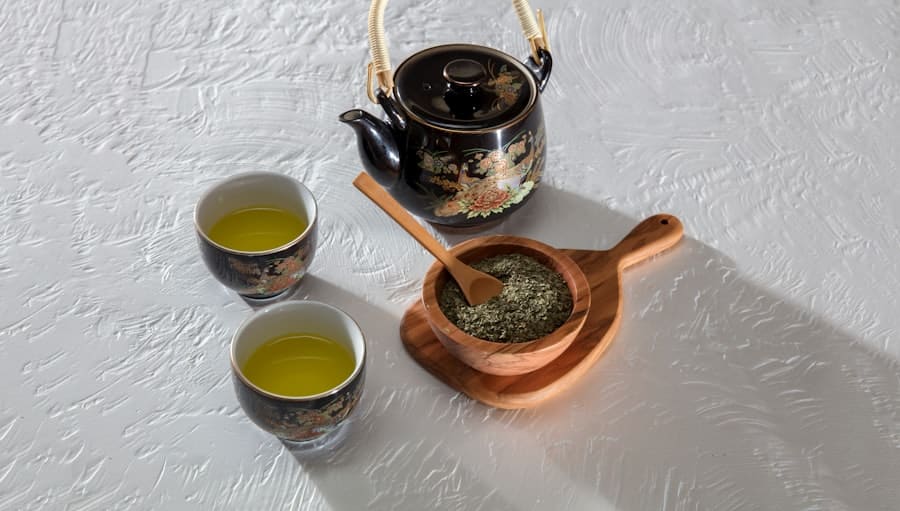
When it comes to gut cleansing, not all teas are created equal. Various types of tea offer unique properties that can aid in detoxification and promote a healthy digestive system. Green tea, herbal teas, oolong tea, and black tea each possess distinct characteristics that contribute to their effectiveness in supporting gut health.
Understanding these differences can help individuals choose the right type of tea based on their specific needs. Green tea is often lauded for its high concentration of antioxidants and catechins, which have been linked to numerous health benefits. Herbal teas, on the other hand, encompass a wide range of plant-based infusions that can provide targeted support for various digestive issues.
Oolong tea falls somewhere between green and black tea in terms of oxidation and flavor profile, offering unique benefits for gut health. Lastly, black tea is rich in tannins and flavonoids that can also contribute to digestive wellness. Each type of tea offers a unique approach to gut cleansing, making it essential to explore their individual properties.
Green Tea and its Gut-Cleansing Properties
Green tea has gained immense popularity in recent years due to its numerous health benefits, particularly its role in promoting gut health. Rich in catechins, especially epigallocatechin gallate (EGCG), green tea has been shown to possess potent antioxidant properties that can help combat oxidative stress in the body. This is particularly important for gut health, as oxidative stress can lead to inflammation and damage to the intestinal lining.
Research has indicated that green tea may also enhance the diversity of gut microbiota. A study published in the journal “Molecular Nutrition & Food Research” found that regular consumption of green tea led to an increase in beneficial bacteria such as Lactobacillus and Bifidobacterium while reducing harmful bacteria like E. coli.
This shift in microbial balance is crucial for maintaining a healthy gut environment. Furthermore, green tea’s ability to promote fat oxidation may aid in weight management, which is closely linked to gut health.
Herbal Teas for Gut Health
Herbal teas encompass a diverse range of plant-based infusions that can provide targeted support for various digestive issues. Unlike traditional teas derived from the Camellia sinensis plant, herbal teas are made from a variety of herbs, flowers, fruits, and spices. This diversity allows for a wide array of flavors and health benefits tailored to individual needs.
For instance, peppermint tea is renowned for its ability to soothe digestive discomfort and alleviate symptoms such as bloating and gas. The menthol in peppermint relaxes the muscles of the gastrointestinal tract, promoting smoother digestion. Similarly, ginger tea has been used for centuries as a natural remedy for nausea and digestive upset.
Ginger contains compounds called gingerols and shogaols that have anti-inflammatory properties and can stimulate digestive enzyme production. Chamomile tea is another excellent option; it has calming effects that can help reduce stress-related digestive issues while also possessing anti-inflammatory properties that soothe the gut lining.
Oolong Tea and its Impact on Gut Health
The Impact on Weight Management
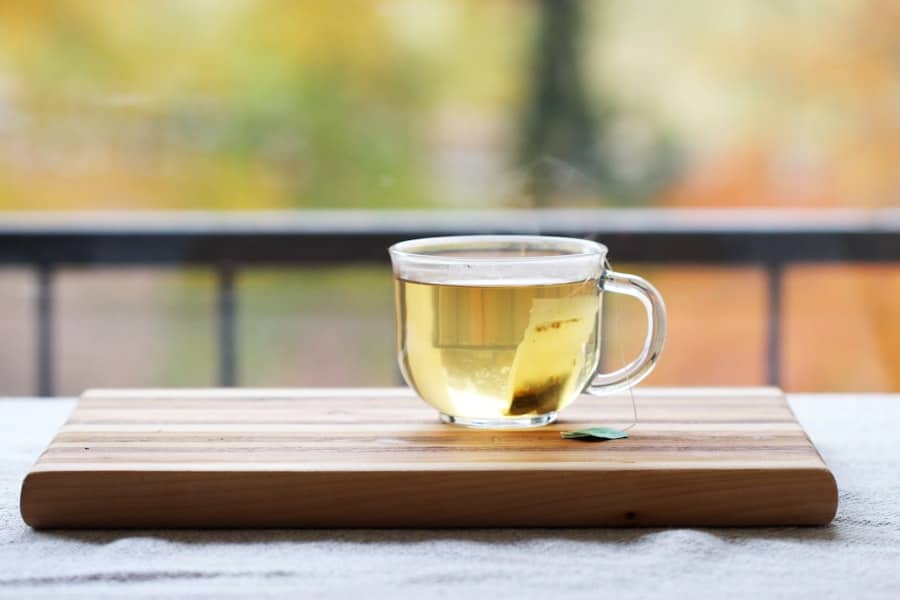
Research suggests that oolong tea may aid in weight management by enhancing fat metabolism. A study published in the “Journal of Nutrition” found that consuming oolong tea can increase energy expenditure and fat oxidation rates in individuals. This effect is particularly significant for those looking to maintain a healthy weight, as excess weight can negatively impact gut health by promoting inflammation and altering gut microbiota composition.
Antimicrobial Properties
Oolong tea has been shown to possess antimicrobial properties that may help inhibit the growth of harmful bacteria in the gut while promoting the proliferation of beneficial strains.
Promoting a Healthy Gut
Overall, oolong tea’s unique characteristics make it a valuable addition to a healthy diet, particularly for those looking to support gut health and maintain a healthy weight.
Black Tea and Gut Cleansing
Black tea is one of the most widely consumed beverages globally and offers several benefits for gut health due to its rich content of flavonoids and tannins. These compounds have been shown to possess antioxidant properties that can help reduce inflammation within the gastrointestinal tract. Chronic inflammation is often linked to various digestive disorders; thus, incorporating black tea into one’s diet may provide protective effects against such conditions.
Moreover, black tea has been associated with improved gut microbiota diversity. A study published in “Frontiers in Microbiology” found that regular consumption of black tea was linked to an increase in beneficial bacteria such as Bifidobacterium and Lactobacillus while decreasing harmful bacteria levels. This shift contributes to a healthier gut environment conducive to optimal digestion and nutrient absorption.
Additionally, black tea’s caffeine content may stimulate bowel movements, further aiding in detoxification processes.
Choosing the Best Tea for Gut Cleansing
In navigating the world of teas for gut cleansing, it becomes evident that each type offers unique benefits tailored to different needs and preferences. Green tea stands out for its high antioxidant content and ability to promote beneficial gut bacteria growth. Herbal teas provide targeted support for specific digestive issues with their diverse range of flavors and properties.
Oolong tea offers a balanced approach with its unique polyphenol composition that aids in fat metabolism while supporting gut flora diversity. Lastly, black tea’s rich flavonoid content contributes to reducing inflammation and promoting a healthy microbiome. Ultimately, choosing the best tea for gut cleansing depends on individual preferences and specific health goals.
Incorporating a variety of these teas into one’s daily routine can provide comprehensive support for gut health while also offering a delightful sensory experience through their diverse flavors and aromas. As research continues to unveil the intricate connections between our diet and gut health, embracing the power of tea may serve as a simple yet effective strategy for enhancing overall well-being.
If you are interested in learning more about the importance of nutrients for gut health, you may want to check out this article on why the 7 essential nutrients are crucial for overall well-being. Understanding the role of nutrients like zinc, which is discussed in this article, can help you make informed decisions about your diet and supplementation. For those following a vegan or vegetarian diet, this article provides valuable information on how to ensure you are getting all the necessary nutrients to support your gut health.
FAQs
What is the best tea to clean your gut?
The best tea to clean your gut is generally considered to be herbal teas such as peppermint, ginger, dandelion, and chamomile. These teas are known for their digestive properties and can help promote gut health.
How do herbal teas help clean the gut?
Herbal teas contain compounds that can help promote digestion, reduce inflammation, and support the growth of beneficial gut bacteria. This can help to cleanse the gut and improve overall digestive health.
Are there any potential side effects of using herbal teas to clean the gut?
While herbal teas are generally safe for most people, some individuals may experience allergic reactions or interactions with certain medications. It’s always best to consult with a healthcare professional before using herbal teas for gut health, especially if you have any underlying health conditions or are taking medications.
Can drinking tea alone clean your gut?
While drinking herbal teas can support gut health, it’s important to maintain a balanced diet and healthy lifestyle to effectively clean the gut. This includes consuming a variety of fruits, vegetables, whole grains, and lean proteins, as well as staying hydrated and getting regular exercise.
How often should I drink herbal tea to clean my gut?
There is no specific guideline for how often you should drink herbal tea to clean your gut, as individual needs may vary. It’s generally safe to consume herbal teas in moderation as part of a balanced diet. Listening to your body and adjusting your tea consumption based on how you feel is a good approach.


