
Green tea, a beverage steeped in tradition and celebrated for its myriad health benefits, has garnered significant attention in recent years. Originating from the Camellia sinensis plant, green tea is rich in antioxidants, particularly catechins, which are believed to contribute to its health-promoting properties. As more individuals seek natural remedies and dietary adjustments to enhance their well-being, the relationship between green tea consumption and kidney health has emerged as a topic of interest.
Kidney stones, a painful condition affecting millions worldwide, are formed from various substances in the urine, and understanding how dietary choices influence their formation is crucial for prevention and management. The prevalence of kidney stones has been on the rise, with factors such as diet, hydration levels, and lifestyle choices playing pivotal roles in their development. As individuals become more health-conscious, they often turn to beverages like green tea, which is perceived as a healthier alternative to sugary drinks or coffee.
However, the question arises: does green tea contribute to or mitigate the risk of kidney stone formation? This article delves into the intricate relationship between green tea and kidney stones, exploring the underlying mechanisms, relevant research findings, and practical considerations for those who enjoy this popular beverage.
Key Takeaways
- Green tea has been consumed for centuries and is known for its potential health benefits, including its role in preventing kidney stones.
- Studies have shown a potential link between excessive green tea consumption and an increased risk of kidney stones due to the presence of oxalates.
- Oxalates, found in green tea and other foods, can contribute to the formation of kidney stones when they bind with calcium in the kidneys.
- Research findings on the relationship between green tea and kidney stones are mixed, with some studies suggesting a potential risk and others showing no significant association.
- When consuming green tea, it is important to consider factors such as overall fluid intake, individual health conditions, and moderation in consumption to minimize the risk of kidney stone formation.
The Link Between Green Tea and Kidney Stones
The connection between green tea and kidney stones is complex and multifaceted. On one hand, green tea is often lauded for its potential protective effects against various health conditions, including cardiovascular diseases and certain types of cancer. On the other hand, it contains compounds that may influence kidney stone formation.
The primary concern revolves around oxalates, naturally occurring substances found in many plant-based foods and beverages, including green tea. Oxalates can bind with calcium in the urine, leading to the formation of calcium oxalate stones, the most common type of kidney stone. Research has shown that while green tea does contain oxalates, the levels are relatively low compared to other foods such as spinach or rhubarb.
This raises an important question: does the consumption of green tea significantly increase the risk of developing kidney stones? Some studies suggest that moderate consumption of green tea may not only be safe but could also offer protective benefits against stone formation due to its hydrating properties and antioxidant content. The balance between these factors is essential for individuals who are concerned about kidney stones but still wish to enjoy the benefits of green tea.
The Role of Oxalates in Kidney Stone Formation
Oxalates are organic compounds found in various foods and are a significant factor in the formation of kidney stones. When consumed, oxalates can bind with calcium in the urine, leading to the crystallization of calcium oxalate stones. These stones can cause severe pain and discomfort as they pass through the urinary tract.
Understanding the role of oxalates is crucial for individuals prone to kidney stones, as dietary modifications can play a significant role in prevention. Foods high in oxalates include not only green tea but also spinach, beets, nuts, and chocolate. The body metabolizes oxalates differently among individuals; some may excrete higher amounts in their urine than others.
This variability means that while one person may develop stones after consuming high-oxalate foods, another may not experience any adverse effects. For those with a history of kidney stones, it is often recommended to monitor oxalate intake closely. However, it is essential to consider that not all oxalate-containing foods pose the same risk; for instance, foods rich in calcium can help bind oxalates in the gut and reduce their absorption.
Research Findings on Green Tea and Kidney Stones
Numerous studies have explored the relationship between green tea consumption and kidney stone formation, yielding mixed results. Some research indicates that moderate consumption of green tea may actually reduce the risk of developing kidney stones. A study published in the “Journal of Urology” found that individuals who consumed green tea regularly had a lower incidence of calcium oxalate stones compared to those who did not drink green tea.
The researchers attributed this protective effect to the high levels of antioxidants present in green tea, which may help reduce oxidative stress and inflammation in the kidneys. Conversely, other studies have raised concerns about the oxalate content in green tea. A study conducted by researchers at the University of California found that certain types of green tea could contribute to increased urinary oxalate levels.
This finding suggests that while moderate consumption may be beneficial for some individuals, those with a predisposition to kidney stones should exercise caution. The variability in individual responses to dietary oxalates underscores the importance of personalized dietary choices when it comes to preventing kidney stones.
Factors to Consider When Consuming Green Tea
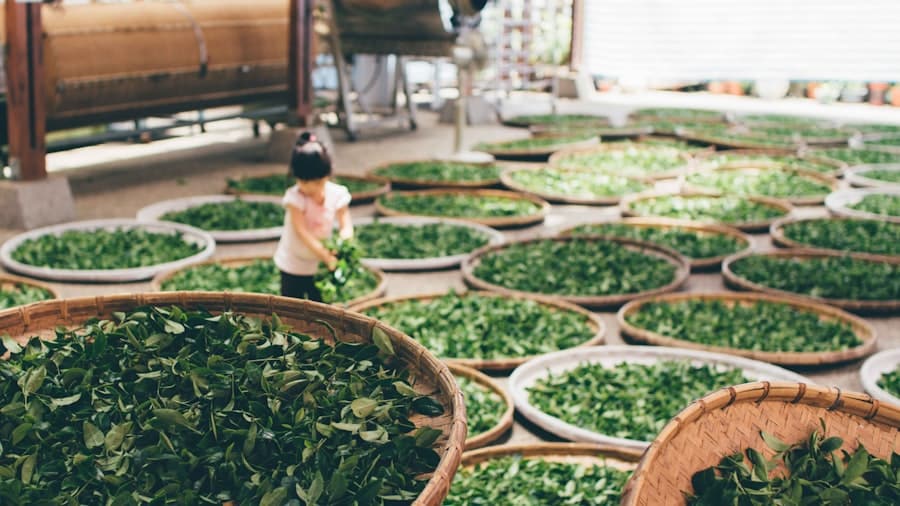
When considering green tea as part of a diet aimed at preventing kidney stones, several factors come into play. First and foremost is the type of green tea consumed. Different varieties contain varying levels of oxalates; for instance, matcha green tea tends to have higher concentrations due to its powdered form made from whole leaves.
Conversely, steeped green teas may have lower oxalate levels since some of these compounds leach into the water during brewing. Another critical factor is the quantity consumed. Moderate consumption—typically defined as 2-3 cups per day—may provide health benefits without significantly increasing the risk of kidney stone formation for most individuals.
However, excessive intake could lead to elevated oxalate levels in urine for susceptible individuals. Additionally, hydration plays a vital role; drinking plenty of water alongside green tea can help dilute urinary concentrations of both oxalates and calcium, potentially reducing stone formation risk.
Other Health Benefits of Green Tea
Cardiovascular Health
Rich in polyphenols and catechins, particularly epigallocatechin gallate (EGCG), green tea has been linked to improved cardiovascular health. Regular consumption has been shown to reduce cholesterol levels, enhance blood vessel function, lower blood pressure, and decrease the risk of heart disease.
Weight Management
Green tea has also been associated with weight management due to its ability to boost metabolism and promote fat oxidation. Research indicates that catechins can enhance fat burning during exercise and may even aid in weight loss when combined with a healthy diet and lifestyle.
Anti-Inflammatory Properties
Furthermore, green tea’s anti-inflammatory properties contribute to overall health by potentially reducing the risk of chronic diseases such as diabetes and certain cancers.
Tips for Preventing Kidney Stones
Preventing kidney stones involves a multifaceted approach that includes dietary modifications, hydration strategies, and lifestyle changes. One of the most effective ways to reduce stone formation is by increasing fluid intake; drinking ample water helps dilute urine and decreases the concentration of stone-forming substances like calcium and oxalates. Aim for at least 2-3 liters of water daily, especially if you live in a hot climate or engage in vigorous physical activity.
In addition to hydration, dietary choices play a crucial role in prevention. Reducing sodium intake can help lower calcium excretion in urine; high sodium levels can lead to increased calcium levels in urine, heightening stone risk. Incorporating foods rich in calcium—such as dairy products—can also be beneficial; paradoxically, dietary calcium binds with oxalates in the gut and reduces their absorption into the bloodstream.
Furthermore, moderating intake of high-oxalate foods while maintaining a balanced diet rich in fruits and vegetables can help manage overall oxalate levels.
Making Informed Choices about Green Tea Consumption
As individuals navigate their dietary choices with an eye toward health optimization, understanding the relationship between green tea and kidney stones becomes increasingly important. While moderate consumption of green tea may offer protective benefits against various health conditions, those with a history or predisposition to kidney stones should remain vigilant about their overall oxalate intake. By considering factors such as type and quantity of green tea consumed alongside hydration strategies and dietary modifications, individuals can make informed choices that align with their health goals.
Ultimately, enjoying green tea as part of a balanced diet can be beneficial for many people while being mindful of its potential implications for kidney stone formation is essential for those at risk. As research continues to evolve in this area, staying informed about dietary choices will empower individuals to take charge of their health while savoring one of nature’s most cherished beverages.
There is a growing concern about the potential link between green tea consumption and kidney stones. Some studies suggest that the high oxalate content in green tea may increase the risk of developing kidney stones. However, more research is needed to fully understand this relationship. For more information on supplements and their effects, check out this article on latest studies and findings on supplement effectiveness. It provides valuable insights into the benefits and risks of various supplements for overall health and wellness.
FAQs
What are kidney stones?
Kidney stones are hard deposits made of minerals and salts that form inside the kidneys. They can cause severe pain and may require medical intervention to pass or remove.
Does green tea cause kidney stones?
There is conflicting evidence regarding the relationship between green tea consumption and kidney stones. Some studies suggest that the high oxalate content in green tea may increase the risk of kidney stone formation, while others indicate that the antioxidants in green tea may actually help prevent kidney stones.
What are the risk factors for kidney stones?
Risk factors for kidney stones include dehydration, a diet high in oxalate-rich foods, certain medical conditions, and a family history of kidney stones.
How can I reduce my risk of kidney stones?
To reduce the risk of kidney stones, it is important to stay hydrated, maintain a healthy diet low in oxalate-rich foods, and manage any underlying medical conditions that may contribute to kidney stone formation.
Should I avoid drinking green tea if I have a history of kidney stones?
If you have a history of kidney stones, it is advisable to consult with a healthcare professional to determine whether green tea consumption is appropriate for you. They can provide personalized recommendations based on your individual health status and risk factors.


