
Montelukast, commonly known by its brand name Singulair, is a medication that plays a significant role in managing asthma and alleviating symptoms of seasonal allergies. As a leukotriene receptor antagonist, it works by blocking substances in the body called leukotrienes, which can cause inflammation, bronchoconstriction, and mucus production in the airways. By inhibiting these substances, Montelukast helps to reduce airway swelling and improve breathing, making it a popular choice for individuals suffering from asthma or allergic rhinitis.
However, like any medication, Montelukast is not without its side effects. While many people tolerate it well, some may experience adverse reactions ranging from mild to severe. Common side effects include headaches, stomach pain, and fatigue.
More serious concerns have been raised regarding mood changes, including anxiety and depression, particularly in children and adolescents. It’s essential to be aware of these potential side effects and to communicate any unusual symptoms to your healthcare provider. Understanding both the benefits and risks associated with Montelukast can empower you to make informed decisions about your asthma management.
Key Takeaways
- Montelukast (Singulair) is a medication used to prevent asthma attacks and manage allergic rhinitis, but it may have side effects such as headache, nausea, and mood changes.
- Natural remedies for asthma and allergies include essential oils, honey, and vitamin C, which can help reduce inflammation and improve respiratory function.
- Breathing techniques such as pursed lip breathing and diaphragmatic breathing can help relieve asthma symptoms and improve lung function.
- Non-prescription medications like antihistamines and decongestants can provide relief from allergy symptoms, but it’s important to use them as directed and consult a healthcare professional if symptoms persist.
- Lifestyle changes such as avoiding triggers, maintaining a healthy weight, and staying physically active can help improve breathing and manage asthma and allergies.
Natural Remedies for Asthma and Allergies
If you’re seeking alternatives or complements to conventional treatments like Montelukast, natural remedies may offer some relief for asthma and allergies. Many individuals find that incorporating certain dietary changes can significantly impact their symptoms. For instance, foods rich in omega-3 fatty acids, such as salmon and flaxseeds, have anti-inflammatory properties that may help reduce airway inflammation.
Additionally, antioxidants found in fruits and vegetables can bolster your immune system and combat oxidative stress, which is often heightened in individuals with asthma. Herbs such as ginger and turmeric are also gaining attention for their potential benefits in managing respiratory conditions. Ginger has been shown to possess anti-inflammatory properties that may help soothe the airways, while turmeric contains curcumin, a compound known for its ability to reduce inflammation throughout the body.
Incorporating these natural remedies into your diet can be a proactive approach to managing your asthma and allergy symptoms while minimizing reliance on pharmaceuticals.
Breathing Techniques for Asthma Relief

Breathing techniques can be a powerful tool in your arsenal for managing asthma symptoms. One effective method is the pursed-lip breathing technique, which involves inhaling deeply through your nose and exhaling slowly through pursed lips. This technique helps to keep your airways open longer, allowing for better airflow and reducing feelings of breathlessness.
Practicing this technique regularly can enhance your lung capacity and improve overall respiratory function. Another beneficial technique is diaphragmatic breathing, which focuses on engaging the diaphragm rather than shallow chest breathing. By placing one hand on your chest and the other on your abdomen, you can ensure that you are using your diaphragm effectively.
As you inhale deeply through your nose, aim to expand your abdomen rather than your chest. This method not only promotes relaxation but also increases oxygen intake, which can be particularly helpful during an asthma attack or when experiencing allergy symptoms.
Non-Prescription Medications for Asthma and Allergies
In addition to prescription medications like Montelukast, there are several non-prescription options available that can help manage asthma and allergy symptoms. Over-the-counter antihistamines, such as cetirizine or loratadine, can provide relief from allergy-related symptoms like sneezing, runny nose, and itchy eyes. These medications work by blocking histamine receptors in the body, thereby reducing the allergic response.
For those who experience occasional asthma symptoms but do not require daily medication, short-acting bronchodilators like albuterol may be available over the counter in some regions. These inhalers provide quick relief by relaxing the muscles around the airways, making it easier to breathe during an asthma attack. However, it’s crucial to use these medications as directed and consult with a healthcare professional if you find yourself relying on them frequently.
Lifestyle Changes for Better Breathing
Making lifestyle changes can significantly improve your respiratory health and overall well-being. One of the most impactful changes you can make is to quit smoking or avoid exposure to secondhand smoke. Smoking is a leading cause of respiratory issues and can exacerbate asthma symptoms.
If you’re a smoker, seeking support to quit can lead to substantial improvements in your lung function and quality of life. In addition to avoiding tobacco smoke, maintaining a healthy weight is essential for optimal respiratory function. Excess weight can put additional strain on your lungs and make breathing more difficult.
Engaging in regular physical activity not only helps with weight management but also strengthens your respiratory muscles and improves lung capacity. Activities such as walking, swimming, or cycling can be particularly beneficial for individuals with asthma.
Herbal Supplements for Asthma and Allergies
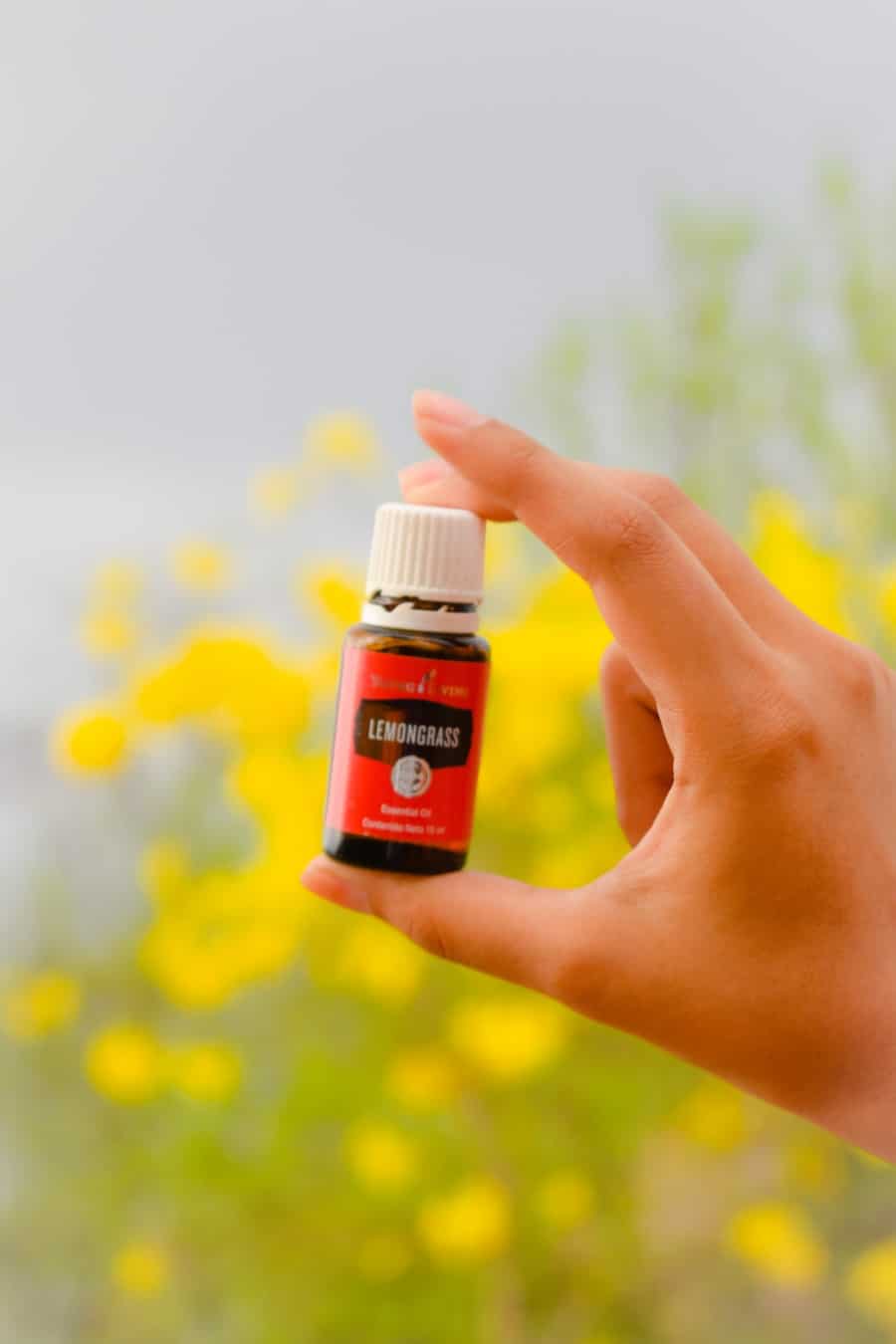
Herbal supplements have gained popularity as complementary treatments for asthma and allergies. One well-known herb is butterbur, which has been shown to reduce the frequency of asthma attacks and alleviate allergy symptoms due to its anti-inflammatory properties. Another option is boswellia serrata, an herb that may help reduce airway inflammation and improve lung function.
Before incorporating any herbal supplements into your routine, it’s essential to consult with a healthcare professional. They can help you determine the appropriate dosage and ensure that the supplements won’t interact with any medications you may be taking. While herbal remedies can offer benefits, they should not replace conventional treatments without professional guidance.
Homeopathic Remedies for Asthma and Allergies
Homeopathy is another alternative approach that some individuals turn to for managing asthma and allergies. Homeopathic remedies are based on the principle of treating “like with like,” where highly diluted substances are used to stimulate the body’s healing response. Common homeopathic remedies for asthma include Arsenicum album for wheezing and difficulty breathing or Natrum sulfuricum for allergic reactions.
While many people report positive experiences with homeopathy, scientific evidence supporting its efficacy remains limited. It’s crucial to approach homeopathic treatments with an open mind while also being cautious about their use as a primary treatment method. Consulting with a qualified homeopath or healthcare provider can help you navigate this alternative approach safely.
Consultation with a Healthcare Professional for Asthma Management
Ultimately, effective asthma management requires collaboration with a healthcare professional who understands your unique needs and circumstances. Regular check-ups allow you to discuss any changes in your symptoms or side effects from medications like Montelukast. Your healthcare provider can help you develop a comprehensive management plan that includes both conventional treatments and complementary approaches tailored to your lifestyle.
In addition to medication management, your healthcare provider can guide you in identifying triggers that exacerbate your asthma or allergy symptoms. Whether it’s environmental factors like pollen or pet dander or lifestyle choices such as diet and exercise, understanding these triggers is vital for effective management. By working closely with a healthcare professional, you can take proactive steps toward achieving better control over your asthma and improving your overall quality of life.
In conclusion, managing asthma and allergies involves a multifaceted approach that includes understanding medications like Montelukast, exploring natural remedies, practicing breathing techniques, considering non-prescription options, making lifestyle changes, utilizing herbal supplements, exploring homeopathy, and maintaining open communication with healthcare professionals. By taking charge of your health through informed choices and collaborative care, you can navigate the challenges of asthma and allergies more effectively.
If you are considering alternatives to Montelukast (Singulair) for safer breathing relief, you may want to explore different types of health nutrition supplements available. This article on types of health nutrition supplements available can provide valuable information on natural remedies that may help improve respiratory health. It is important to debunk common myths about supplements and consider various factors before taking them, as discussed in these articles on debunking common myths about supplements and factors to consider before taking supplements. By educating yourself on the options available, you can make informed decisions about your respiratory health.
FAQs
What is Montelukast (Singulair) and why are people looking for alternatives?
Montelukast (Singulair) is a medication used to treat asthma and allergic rhinitis. People may be looking for alternatives due to concerns about potential side effects, including neuropsychiatric events.
What are some alternatives to Montelukast (Singulair) for safer breathing relief?
Some alternatives to Montelukast (Singulair) for safer breathing relief include inhaled corticosteroids, long-acting beta-agonists, leukotriene receptor antagonists, and allergy medications such as antihistamines and nasal corticosteroids.
Are there natural alternatives to Montelukast (Singulair) for managing asthma and allergies?
Some natural alternatives for managing asthma and allergies include breathing exercises, dietary changes, herbal supplements, and acupuncture. It is important to consult with a healthcare professional before using natural alternatives.
What are the potential risks of using Montelukast (Singulair) and its alternatives?
The potential risks of using Montelukast (Singulair) include neuropsychiatric events, while the potential risks of using alternatives may vary depending on the specific medication or treatment. It is important to discuss potential risks with a healthcare professional.