
The gallbladder is a small, pear-shaped organ located beneath the liver, playing a crucial role in your digestive system. Its primary function is to store and concentrate bile, a digestive fluid produced by the liver. When you consume fatty foods, the gallbladder releases bile into the small intestine, aiding in the emulsification and absorption of fats.
This process is essential for breaking down dietary fats into smaller molecules, making it easier for your body to absorb fat-soluble vitamins such as A, D, E, and K. Without a properly functioning gallbladder, your body may struggle to digest fats effectively, leading to various digestive issues. Understanding the gallbladder’s role is vital, especially if you have undergone gallbladder surgery, known as cholecystectomy.
This procedure involves the removal of the gallbladder, often due to gallstones or other complications. While your liver continues to produce bile, the absence of the gallbladder means that bile is released directly into the small intestine rather than being stored and concentrated. This change can affect how your body processes fats and may lead to digestive discomfort or malabsorption issues.
Recognizing these changes can help you adapt your diet and lifestyle to support your digestive health post-surgery.
Key Takeaways
- The gallbladder plays a crucial role in storing and releasing bile to aid in digestion and fat absorption.
- Common health concerns after gallbladder surgery include diarrhea, indigestion, and difficulty digesting fatty foods.
- Essential nutrients for supporting digestive health include fiber, probiotics, and digestive enzymes.
- The best supplements for supporting digestive health include bile salts, ox bile, and lipase enzymes to aid in fat digestion.
- Managing fat digestion after gallbladder surgery involves consuming smaller, more frequent meals and avoiding high-fat foods.
Common Health Concerns After Gallbladder Surgery
After gallbladder surgery, many individuals experience a range of health concerns that can impact their quality of life. One of the most common issues is diarrhea, which can occur due to the continuous flow of bile into the intestines without the regulation that the gallbladder provided. This can lead to loose stools and an urgent need to use the restroom shortly after eating.
You may find that certain foods trigger these symptoms more than others, particularly those high in fat. Understanding your body’s new response to food can help you manage these symptoms effectively. Another concern that often arises post-surgery is bloating and gas.
The absence of the gallbladder can disrupt the normal digestive process, leading to an imbalance in gut bacteria and fermentation of undigested food. You might notice that certain foods cause more discomfort than others, prompting you to adjust your diet accordingly. Additionally, some individuals report experiencing abdominal pain or cramping after meals, which can be distressing.
Recognizing these potential issues allows you to seek appropriate dietary adjustments or consult with a healthcare professional for guidance.
Essential Nutrients for Supporting Digestive Health
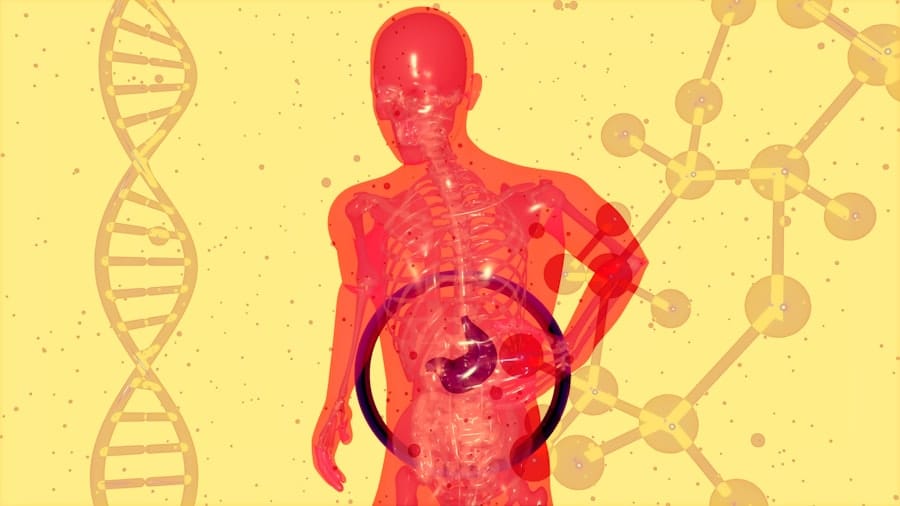
To support your digestive health after gallbladder surgery, it’s essential to focus on incorporating specific nutrients into your diet. Fiber is one of the most important components for maintaining healthy digestion. It helps regulate bowel movements and can alleviate some of the diarrhea that may occur post-surgery.
You should aim to include both soluble and insoluble fiber in your meals. Foods such as fruits, vegetables, whole grains, and legumes are excellent sources of fiber that can help promote a healthy gut. In addition to fiber, healthy fats are crucial for your overall well-being, especially since your body may struggle with fat digestion after gallbladder removal.
Incorporating sources of omega-3 fatty acids, such as fatty fish, flaxseeds, and walnuts, can provide anti-inflammatory benefits while supporting heart health. These healthy fats can also aid in nutrient absorption and help you feel satiated after meals. Balancing your intake of fats while being mindful of portion sizes can make a significant difference in how your body processes these nutrients.
The Best Supplements for Supporting Digestive Health
| Supplement | Benefit | Recommended Dosage |
|---|---|---|
| Probiotics | Supports healthy gut bacteria | 1-10 billion CFUs per day |
| Digestive Enzymes | Aids in food digestion | Take with meals as directed |
| Fiber Supplements | Promotes regular bowel movements | 25-30 grams per day |
| Peppermint Oil | Relieves symptoms of irritable bowel syndrome | 0.2-0.4 mL three times per day |
When it comes to supporting your digestive health post-gallbladder surgery, certain supplements can be beneficial in easing symptoms and promoting overall well-being. Digestive enzymes are among the most recommended supplements for individuals who have had their gallbladder removed. These enzymes help break down food more effectively, particularly fats, proteins, and carbohydrates.
By taking digestive enzyme supplements with meals, you may find relief from bloating and discomfort while improving nutrient absorption. Probiotics are another valuable supplement that can enhance gut health after gallbladder surgery. These beneficial bacteria help restore balance to your gut microbiome, which may be disrupted due to changes in digestion.
Probiotics can aid in reducing gas and bloating while promoting regular bowel movements. You might consider incorporating probiotic-rich foods like yogurt or kefir into your diet or opting for a high-quality probiotic supplement to support your digestive system.
Managing Fat Digestion After Gallbladder Surgery
Managing fat digestion after gallbladder surgery requires a thoughtful approach to your diet and lifestyle choices. Since your body no longer has a gallbladder to store bile, it’s essential to be mindful of how much fat you consume at one time. Instead of indulging in large portions of fatty foods, consider spreading out your fat intake throughout the day.
This strategy allows your body to process fats more efficiently without overwhelming your digestive system. Additionally, choosing healthier fats can make a significant difference in how you feel after meals. Opt for monounsaturated and polyunsaturated fats found in foods like avocados, olive oil, and nuts instead of saturated fats from fried or processed foods.
These healthier options are easier for your body to digest and can provide essential nutrients without causing discomfort. Experimenting with different cooking methods, such as steaming or baking instead of frying, can also help you enjoy flavorful meals while supporting your digestive health.
Supporting Liver Health with Supplements
Supporting liver health is crucial after gallbladder surgery since the liver continues to produce bile even without the gallbladder’s storage capacity. Certain supplements can help promote liver function and overall health. Milk thistle is one such supplement known for its liver-protective properties.
It contains silymarin, a compound that may help regenerate liver cells and protect against toxins. Incorporating milk thistle into your routine could be beneficial for maintaining optimal liver function. Another supplement worth considering is N-acetylcysteine (NAC), which supports detoxification processes in the liver.
NAC helps replenish glutathione levels, a powerful antioxidant that plays a vital role in protecting liver cells from damage. By supporting liver health through these supplements, you may enhance your body’s ability to process nutrients effectively and maintain overall well-being after gallbladder removal.
Addressing Nutrient Absorption with Supplements
After gallbladder surgery, nutrient absorption can become compromised due to changes in bile flow and digestion. To address this issue, certain supplements can help ensure you receive adequate nutrients despite potential malabsorption challenges. Fat-soluble vitamins—A, D, E, and K—are particularly important to focus on since they rely on bile for absorption.
You might consider taking a high-quality multivitamin that includes these essential vitamins to support your overall health. In addition to fat-soluble vitamins, mineral absorption may also be affected post-surgery. Calcium and magnesium are two minerals that play critical roles in various bodily functions, including bone health and muscle function.
If you find it challenging to meet your daily requirements through diet alone, incorporating calcium and magnesium supplements can help bridge the gap and ensure you maintain optimal levels.
Tips for Choosing the Right Supplements
When it comes to choosing the right supplements for supporting your digestive health after gallbladder surgery, there are several factors to consider. First and foremost, it’s essential to consult with a healthcare professional before starting any new supplement regimen. They can provide personalized recommendations based on your specific needs and health status.
Look for high-quality supplements from reputable brands that undergo third-party testing for purity and potency. Reading labels carefully is crucial; ensure that the supplements contain the necessary ingredients without unnecessary fillers or additives. Additionally, consider starting with one supplement at a time to monitor how your body responds before introducing others into your routine.
In conclusion, understanding the role of the gallbladder and addressing common health concerns after its removal is vital for maintaining digestive health. By focusing on essential nutrients, incorporating beneficial supplements, and managing fat digestion effectively, you can support your body’s adaptation to life without a gallbladder. With careful attention to your dietary choices and supplement regimen, you can enhance your overall well-being and enjoy a healthier lifestyle post-surgery.
If you have recently had your gallbladder removed and are looking for ways to support your health, incorporating health supplements into your diet can be beneficial. One related article that discusses the benefits of incorporating supplements into your diet can be found