Gas and bloating are common digestive issues that many people experience at some point in their lives. You may find yourself feeling uncomfortable, with a distended abdomen and an increased sense of fullness. This sensation can be both physically and emotionally distressing, often leading to embarrassment in social situations.
Understanding the nature of gas and bloating is the first step toward finding relief. Gas is a natural byproduct of digestion, produced when your body breaks down food in the gastrointestinal tract. While it is normal to pass gas several times a day, excessive gas can lead to discomfort and bloating.
Bloating, on the other hand, refers to the feeling of fullness or swelling in the abdomen. It can occur when gas builds up in the intestines or when your stomach retains fluid. You might notice that your clothes feel tighter or that you have difficulty buttoning your pants after a meal.
This sensation can be exacerbated by certain foods, lifestyle choices, or underlying health conditions. By gaining a deeper understanding of these phenomena, you can better navigate your dietary habits and lifestyle choices to minimize discomfort.
Key Takeaways
- Gas and bloating are common digestive issues that can cause discomfort and pain.
- Causes of gas and bloating include swallowing air, eating gas-producing foods, and digestive disorders.
- Digestive health is important for overall well-being and can be improved through a balanced diet and regular exercise.
- Health supplements such as probiotics and digestive enzymes can provide relief from gas and bloating.
- When choosing a health supplement for gas and bloating relief, it’s important to consider the ingredients and consult with a healthcare professional.
Causes of Gas and Bloating
There are numerous factors that can contribute to gas and bloating, and identifying these causes is crucial for effective management. One of the most common culprits is diet. Certain foods, particularly those high in fiber, can lead to increased gas production as they are fermented by bacteria in the gut.
Foods such as beans, lentils, broccoli, and onions are notorious for causing gas. Additionally, carbonated beverages can introduce excess air into your digestive system, leading to bloating. Another significant factor is how you eat.
Eating too quickly can cause you to swallow air, which may contribute to gas buildup. Chewing gum or sucking on hard candies can also lead to increased air intake. Furthermore, some individuals may have food intolerances or sensitivities that can trigger gas and bloating.
Lactose intolerance, for example, occurs when your body lacks the enzyme needed to digest lactose, a sugar found in dairy products. Similarly, gluten sensitivity can lead to digestive distress for some people. By paying attention to your eating habits and dietary choices, you can begin to identify patterns that may be contributing to your discomfort.
Importance of Digestive Health
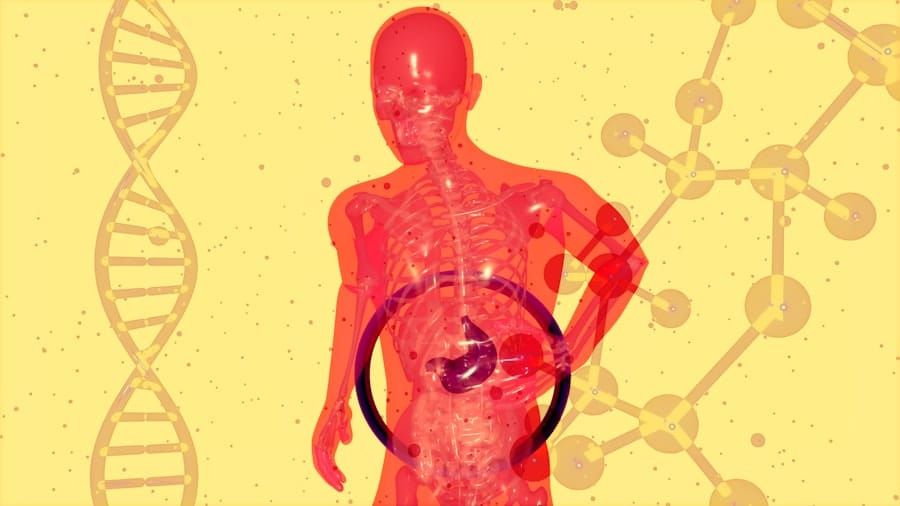
Maintaining good digestive health is essential for overall well-being. Your digestive system plays a vital role in breaking down food, absorbing nutrients, and eliminating waste. When your digestive health is compromised, it can lead to a cascade of issues that affect not only your physical health but also your mental and emotional state.
You may experience fatigue, irritability, or even anxiety as a result of poor digestion. Therefore, prioritizing digestive health is crucial for maintaining a balanced lifestyle. Moreover, a healthy gut is linked to a robust immune system.
The gut houses a significant portion of your immune cells, and when it functions optimally, it helps protect you from infections and diseases. By focusing on your digestive health through proper nutrition, hydration, and lifestyle choices, you can enhance your overall health and resilience against illness. This holistic approach not only alleviates symptoms like gas and bloating but also fosters long-term wellness.
Health Supplements for Gas and Bloating Relief
| Product | Ingredients | Benefits |
|---|---|---|
| Peppermint Oil Capsules | Peppermint oil | Relieves gas and bloating |
| Activated Charcoal | Charcoal | Reduces gas and bloating |
| Probiotics | Live bacteria | Improves gut health and digestion |
In addition to dietary adjustments and lifestyle changes, many people turn to health supplements for relief from gas and bloating. These supplements can provide targeted support for digestive health and help alleviate discomfort. One popular option is probiotics, which are beneficial bacteria that promote a healthy gut microbiome.
By introducing these friendly bacteria into your system, you may improve digestion and reduce gas production. Another supplement worth considering is digestive enzymes. These enzymes help break down food more efficiently, making it easier for your body to absorb nutrients while minimizing gas formation.
For instance, if you struggle with lactose intolerance, taking lactase supplements before consuming dairy products can help prevent bloating and discomfort. Additionally, herbal supplements such as peppermint oil or ginger extract have been traditionally used to soothe digestive issues and reduce bloating. By exploring these options, you can find the right supplements that align with your specific needs.
Choosing the Right Health Supplement
When it comes to selecting health supplements for gas and bloating relief, it’s essential to do your research and choose wisely. Not all supplements are created equal; therefore, you should look for high-quality products from reputable brands. Reading labels carefully is crucial—check for active ingredients, dosage recommendations, and any potential allergens.
You may also want to consider consulting with a healthcare professional before starting any new supplement regimen. Personalization is key when choosing supplements for digestive health. What works for one person may not work for another due to individual differences in gut microbiomes and dietary habits.
Keeping a food diary can help you track your symptoms in relation to specific foods or supplements you take. This information can guide you in making informed decisions about which products may be most effective for you.
Tips for Managing Gas and Bloating

Managing gas and bloating often requires a multifaceted approach that combines dietary changes with mindful eating practices. One effective strategy is to eat smaller meals more frequently throughout the day rather than consuming large portions at once. This can help ease the burden on your digestive system and reduce the likelihood of gas buildup.
Additionally, taking time to chew your food thoroughly can aid digestion by breaking down food particles more effectively. Incorporating physical activity into your daily routine can also be beneficial for managing gas and bloating. Gentle exercises like walking or yoga can stimulate digestion and help release trapped gas in the intestines.
Staying hydrated is equally important; drinking plenty of water throughout the day supports overall digestive function and helps prevent constipation—a common contributor to bloating. By adopting these practical tips into your lifestyle, you can take proactive steps toward alleviating discomfort.
Other Natural Remedies for Gas and Bloating
In addition to dietary changes and supplements, there are several natural remedies that may provide relief from gas and bloating. Herbal teas are a popular choice; peppermint tea is known for its soothing properties that can relax the muscles of the gastrointestinal tract, helping to alleviate bloating. Similarly, chamomile tea has anti-inflammatory effects that may ease digestive discomfort.
Another natural remedy worth exploring is apple cider vinegar (ACV). Many people find that taking a tablespoon of ACV diluted in water before meals helps improve digestion and reduce bloating. The acidity of ACV may stimulate the production of digestive enzymes, enhancing nutrient absorption while minimizing gas formation.
However, it’s essential to listen to your body; if any remedy causes discomfort or adverse reactions, it’s best to discontinue use.
When to Seek Medical Attention for Gas and Bloating
While occasional gas and bloating are typically harmless, there are instances when these symptoms warrant medical attention. If you experience persistent or severe abdominal pain accompanied by bloating or changes in bowel habits—such as diarrhea or constipation—it’s crucial to consult a healthcare professional. These symptoms could indicate an underlying condition that requires further investigation.
Additionally, if you notice blood in your stool or experience unexplained weight loss alongside gas and bloating, seeking medical advice is essential. These signs could point to more serious gastrointestinal issues that need prompt evaluation. Remember that being proactive about your health is vital; don’t hesitate to reach out for help if you have concerns about your digestive well-being.
In conclusion, understanding gas and bloating is essential for managing these common digestive issues effectively. By recognizing their causes and prioritizing digestive health through dietary choices and lifestyle adjustments, you can significantly improve your quality of life. Exploring health supplements tailored for relief can also provide additional support on your journey toward better digestion.
With the right strategies in place—along with awareness of when to seek medical attention—you can navigate the challenges of gas and bloating with confidence and ease.
If you are interested in learning more about common supplement ingredients, check out this detailed information on common supplement ingredients article. It provides valuable insights into the various components found in health supplements and their potential benefits. Understanding these ingredients can help you make informed decisions when choosing the right supplement for your specific needs, such as addressing gas and bloating.
FAQs
What are health supplements for gas and bloating?
Health supplements for gas and bloating are products designed to help alleviate symptoms of gas, bloating, and digestive discomfort. They often contain natural ingredients such as enzymes, herbs, and probiotics that can support digestive health.
How do health supplements for gas and bloating work?
Health supplements for gas and bloating work by targeting the underlying causes of digestive discomfort. For example, enzymes can help break down food more efficiently, while probiotics can support a healthy balance of gut bacteria. This can help reduce gas and bloating.
Are health supplements for gas and bloating safe to use?
When used as directed, health supplements for gas and bloating are generally safe for most people. However, it’s always a good idea to consult with a healthcare professional before starting any new supplement, especially if you have any underlying health conditions or are taking medications.
What are some common ingredients in health supplements for gas and bloating?
Common ingredients in health supplements for gas and bloating include digestive enzymes (such as amylase, lipase, and protease), herbs (such as peppermint and ginger), and probiotics (such as Lactobacillus and Bifidobacterium strains).
How long does it take for health supplements for gas and bloating to work?
The time it takes for health supplements for gas and bloating to work can vary depending on the individual and the specific product. Some people may experience relief within a few days, while others may need to take the supplement for a few weeks before noticing a difference.