
Resveratrol is a naturally occurring compound that belongs to a group of substances called polyphenols, which are known for their antioxidant properties. You may have encountered resveratrol primarily in the context of red wine, as it is found in the skin of grapes. However, this powerful compound is not limited to grapes alone; it can also be found in various berries, peanuts, and certain plants.
The interest in resveratrol has surged in recent years, particularly due to its potential health benefits and its role in promoting longevity. The allure of resveratrol lies not only in its natural origins but also in the extensive research that has been conducted to understand its effects on human health. Scientists have been intrigued by the idea that resveratrol could mimic some of the benefits of caloric restriction, a practice known to extend lifespan in various organisms.
As you delve deeper into the world of resveratrol, you will discover that it has become a focal point in discussions about aging, disease prevention, and overall wellness.
Key Takeaways
- Resveratrol is a natural compound found in certain plants, particularly in the skin of red grapes and in red wine.
- Health benefits of resveratrol include its potential to improve heart health, reduce inflammation, and act as an antioxidant.
- Resveratrol works in the body by activating certain genes and proteins that help protect cells from damage and regulate various bodily functions.
- Sources of resveratrol include red grapes, red wine, peanuts, and certain berries, as well as supplements.
- Resveratrol acts as an antioxidant by neutralizing harmful free radicals in the body, which can help protect against chronic diseases and aging.
The Health Benefits of Resveratrol
The health benefits of resveratrol are numerous and varied, making it a topic of great interest among health enthusiasts and researchers alike. One of the most widely recognized benefits is its potential to combat inflammation. Chronic inflammation is linked to numerous health issues, including heart disease, diabetes, and even cancer.
By incorporating resveratrol into your diet, you may be able to reduce inflammation levels in your body, thereby lowering your risk of developing these conditions. In addition to its anti-inflammatory properties, resveratrol has been studied for its potential role in enhancing brain health. Research suggests that this compound may help protect against neurodegenerative diseases such as Alzheimer’s and Parkinson’s.
By promoting blood flow to the brain and reducing oxidative stress, resveratrol could play a crucial role in maintaining cognitive function as you age. This makes it an appealing option for those looking to support their mental acuity and overall brain health.
How Resveratrol Works in the Body

Understanding how resveratrol works in your body can shed light on why it is considered a superfood by many. When you consume resveratrol, it is absorbed into your bloodstream and begins to exert its effects at the cellular level. One of the primary mechanisms through which resveratrol operates is by activating certain genes associated with longevity and stress resistance.
This activation can lead to improved cellular function and increased resilience against various stressors. Moreover, resveratrol has been shown to influence several signaling pathways that are crucial for maintaining cellular health. For instance, it can enhance the activity of sirtuins, a family of proteins that play a significant role in regulating cellular processes such as aging and metabolism.
By promoting the activity of these proteins, resveratrol may help improve your overall metabolic health and support healthy aging.
Sources of Resveratrol
| Source | Resveratrol Content |
|---|---|
| Red Grapes | 0.24-1.25 mg/g |
| Red Wine | 0.30-1.07 mg/g |
| Peanuts | 0.002-0.26 mg/g |
| Blueberries | 0.24-1.25 mg/g |
If you’re looking to incorporate more resveratrol into your diet, you’ll be pleased to know that there are several natural sources available. As mentioned earlier, red wine is one of the most famous sources due to its high concentration of this compound. However, if you prefer non-alcoholic options, you can find resveratrol in various fruits such as blueberries, cranberries, and mulberries.
These berries not only provide resveratrol but also offer a wealth of other vitamins and antioxidants that contribute to overall health. In addition to fruits, peanuts and dark chocolate are also excellent sources of resveratrol. Including these foods in your diet can be a delicious way to reap the benefits of this powerful compound.
Furthermore, some dietary supplements contain concentrated forms of resveratrol, allowing you to easily increase your intake if you find it challenging to consume enough through food alone.
Resveratrol as an Antioxidant
One of the standout features of resveratrol is its potent antioxidant properties. Antioxidants are essential for neutralizing free radicals—unstable molecules that can cause oxidative stress and damage cells over time. By acting as an antioxidant, resveratrol helps protect your cells from this damage, potentially reducing the risk of chronic diseases and promoting overall health.
The antioxidant capacity of resveratrol is particularly significant when it comes to protecting cardiovascular health. By reducing oxidative stress within blood vessels, resveratrol may help maintain their elasticity and function. This can lead to improved circulation and a lower risk of heart-related issues.
As you consider ways to enhance your diet for better health, focusing on foods rich in antioxidants like resveratrol can be a smart strategy.
Resveratrol and Heart Health
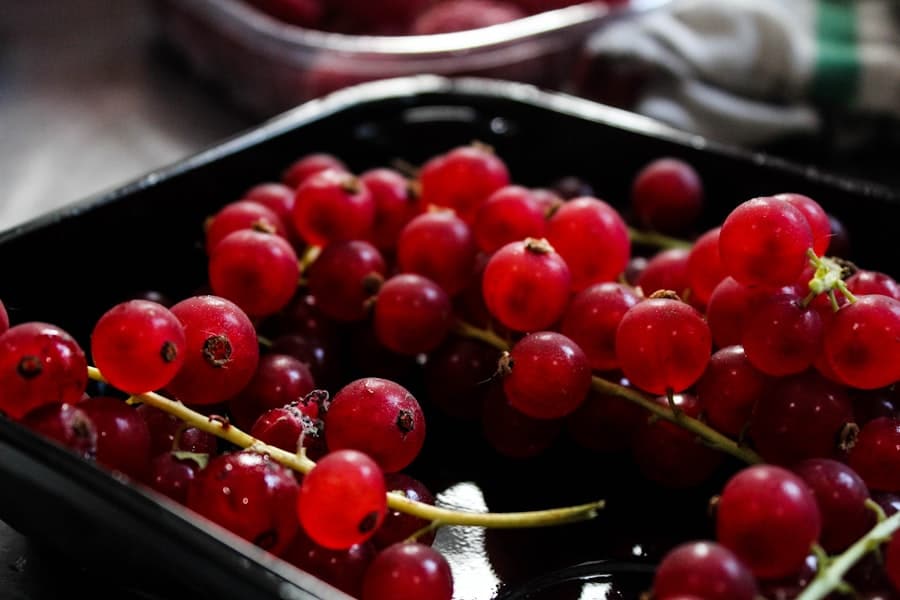
When it comes to heart health, resveratrol has garnered considerable attention for its potential protective effects on the cardiovascular system. Research indicates that this compound may help lower blood pressure by promoting the dilation of blood vessels. This effect can lead to improved blood flow and reduced strain on the heart, ultimately contributing to better cardiovascular health.
Additionally, resveratrol has been shown to have a positive impact on cholesterol levels. It may help increase levels of high-density lipoprotein (HDL) cholesterol—often referred to as “good” cholesterol—while simultaneously reducing levels of low-density lipoprotein (LDL) cholesterol, or “bad” cholesterol. By maintaining a healthy balance between these two types of cholesterol, you can further support your heart health and reduce the risk of heart disease.
Potential Side Effects and Risks of Resveratrol
While resveratrol is generally considered safe for most people when consumed in moderate amounts through food sources, it’s essential to be aware of potential side effects and risks associated with higher doses or supplements. Some individuals may experience gastrointestinal issues such as diarrhea or stomach upset when taking concentrated forms of resveratrol. If you have a sensitive stomach or are prone to digestive issues, it’s wise to start with lower doses and monitor how your body responds.
Moreover, if you are taking medications—especially blood thinners or anticoagulants—consulting with a healthcare professional before adding resveratrol supplements to your routine is crucial. Resveratrol may interact with certain medications, potentially affecting their efficacy or increasing the risk of bleeding. Being informed about these potential interactions can help you make safer choices regarding your health.
How to Incorporate Resveratrol into Your Daily Routine
Incorporating resveratrol into your daily routine can be both enjoyable and beneficial for your health. One simple way is by enjoying a glass of red wine in moderation; however, if alcohol isn’t your preference or if you’re looking for alternatives, consider adding more berries to your meals or snacks. You can blend blueberries or cranberries into smoothies, sprinkle them on yogurt or oatmeal, or enjoy them fresh as a snack.
Another effective method is to include peanuts or dark chocolate in your diet. A handful of peanuts can make for a satisfying snack while providing a dose of resveratrol along with healthy fats and protein. Dark chocolate with a high cocoa content not only satisfies your sweet tooth but also delivers antioxidants that complement the benefits of resveratrol.
Lastly, if you’re considering supplements, look for high-quality products that contain standardized amounts of resveratrol and consult with a healthcare provider to determine the right dosage for you. In conclusion, resveratrol is a fascinating compound with numerous potential health benefits ranging from anti-inflammatory effects to heart health support. By understanding what resveratrol is and how it works in your body, you can make informed choices about incorporating it into your diet through natural food sources or supplements.
As research continues to unfold regarding this remarkable polyphenol, you may find that adding resveratrol-rich foods into your daily routine could be a simple yet effective way to enhance your overall well-being.
Resveratrol Health Supplement has been gaining popularity for its potential health benefits, including anti-aging properties and cardiovascular support. According to a related article on scientific evidence supporting their effectiveness, resveratrol has been shown to have antioxidant and anti-inflammatory effects that may help protect against chronic diseases. This supplement is just one of the top five supplements that everyone should consider taking for overall health and wellness, as mentioned in another article on top 5 supplements everyone should take. Additionally, resveratrol may also benefit skin, hair, and nail health, as discussed in an article on supplements for skin, hair, and nail health.
FAQs
What is resveratrol?
Resveratrol is a natural compound found in certain plants, fruits, and red wine. It is known for its antioxidant properties and potential health benefits.
What are the potential health benefits of resveratrol?
Resveratrol has been studied for its potential to support heart health, brain function, and longevity. It is also being researched for its potential anti-inflammatory and anti-cancer properties.
How is resveratrol consumed as a health supplement?
Resveratrol is available in supplement form, typically as a pill or capsule. It can also be found in some natural health products and functional foods.
Is resveratrol safe to consume as a supplement?
When taken in recommended doses, resveratrol is generally considered safe for most people. However, it may interact with certain medications, so it’s important to consult with a healthcare professional before starting a resveratrol supplement.
What are the potential side effects of resveratrol supplements?
Some people may experience mild side effects such as digestive issues or allergic reactions. High doses of resveratrol may also have a blood-thinning effect, so individuals taking blood thinners should use caution.
Can resveratrol supplements replace a healthy diet and lifestyle?
While resveratrol supplements may offer some health benefits, they should not be seen as a replacement for a balanced diet and regular exercise. It’s important to maintain a healthy lifestyle for overall well-being.


