
Glutathione is a powerful antioxidant that plays a crucial role in maintaining your overall health. Composed of three amino acids—cysteine, glutamine, and glycine—this tripeptide is found in every cell of your body. It is often referred to as the “master antioxidant” due to its ability to neutralize free radicals, which are unstable molecules that can cause cellular damage.
By doing so, glutathione helps protect your cells from oxidative stress, a condition linked to various chronic diseases and aging. In addition to its antioxidant properties, glutathione is involved in several vital processes within your body. It aids in detoxification by binding to harmful substances and facilitating their removal from your system.
This detoxifying effect is particularly important for your liver, which is responsible for filtering toxins from your blood. Furthermore, glutathione plays a role in immune function, DNA synthesis, and the regulation of cellular metabolism, making it an essential component for maintaining your health and well-being.
Key Takeaways
- Glutathione is a powerful antioxidant produced in the body that plays a crucial role in protecting cells from damage and supporting immune function.
- Adequate levels of glutathione are essential for overall health, as it helps to detoxify the body, reduce inflammation, and support the immune system.
- The recommended dosage of glutathione varies depending on the individual’s health status and needs, and it is best to consult with a healthcare professional for personalized guidance.
- Glutathione can be administered in various forms, including oral supplements, intravenous injections, and topical creams, each with its own benefits and considerations.
- When choosing a method of glutathione administration, factors such as absorption rate, convenience, and potential side effects should be carefully considered to make an informed decision.
The Importance of Glutathione in the Body
The significance of glutathione cannot be overstated, as it serves multiple functions that are vital for your body’s optimal performance. One of its primary roles is to combat oxidative stress, which can lead to inflammation and various health issues, including heart disease, diabetes, and neurodegenerative disorders. By neutralizing free radicals, glutathione helps to maintain cellular integrity and supports the longevity of your cells.
This protective mechanism is particularly important as you age, as your body’s natural production of glutathione tends to decline over time. Moreover, glutathione is essential for detoxification processes. It binds to heavy metals and other toxins, making them more water-soluble and easier for your body to excrete.
This detoxification process is crucial for maintaining liver health and overall metabolic function. Additionally, glutathione supports the immune system by promoting the proliferation of lymphocytes, which are white blood cells that play a key role in your body’s defense against infections. By ensuring that your immune system functions optimally, glutathione helps you fend off illnesses and maintain a robust state of health.
Recommended Dosage of Glutathione

Determining the appropriate dosage of glutathione can be complex, as it varies based on individual needs and health conditions. Generally, oral supplements range from 250 mg to 1,000 mg per day. However, it is essential to consult with a healthcare professional before starting any supplementation regimen.
They can help you assess your specific needs and recommend a dosage that aligns with your health goals. For those considering intravenous (IV) administration of glutathione, dosages can be higher, often ranging from 600 mg to 1,200 mg per session. IV administration allows for direct delivery into the bloodstream, bypassing the digestive system and potentially increasing bioavailability.
Regardless of the method you choose, it’s crucial to monitor your body’s response and adjust the dosage as needed under professional guidance.
Different Forms of Glutathione Administration
Glutathione can be administered in various forms, each with its own advantages and disadvantages. Oral supplements are one of the most common methods for increasing glutathione levels in the body. These supplements come in capsules or powder form and are relatively easy to incorporate into your daily routine.
However, oral glutathione may have lower bioavailability due to degradation in the digestive tract. Another popular method is intravenous (IV) administration, which delivers glutathione directly into your bloodstream. This method is often used in clinical settings and can provide rapid results in terms of increased glutathione levels.
While IV administration can be effective, it typically requires a visit to a healthcare provider or clinic, which may not be convenient for everyone. In addition to oral and IV forms, there are also topical applications available that claim to enhance skin health by delivering glutathione directly to the skin’s surface. These products are often marketed for their potential anti-aging benefits and skin brightening effects.
However, the effectiveness of topical glutathione remains a topic of debate among experts.
Factors to Consider When Choosing Glutathione Administration
When deciding on the best method for glutathione administration, several factors should be taken into account. First and foremost is your individual health status and specific needs. If you have underlying health conditions or are taking other medications, it’s essential to consult with a healthcare professional who can guide you toward the most suitable option.
Another factor to consider is convenience and lifestyle. Oral supplements may be more practical for those with busy schedules or who prefer self-administration at home. On the other hand, if you are seeking immediate results or have specific health concerns that require rapid intervention, IV administration might be more appropriate despite its logistical challenges.
Cost is also an important consideration when choosing a method of administration. Oral supplements tend to be more affordable than IV treatments, which can be costly due to the need for professional administration. Weighing these factors will help you make an informed decision that aligns with both your health goals and lifestyle preferences.
Possible Side Effects and Risks of Glutathione Administration
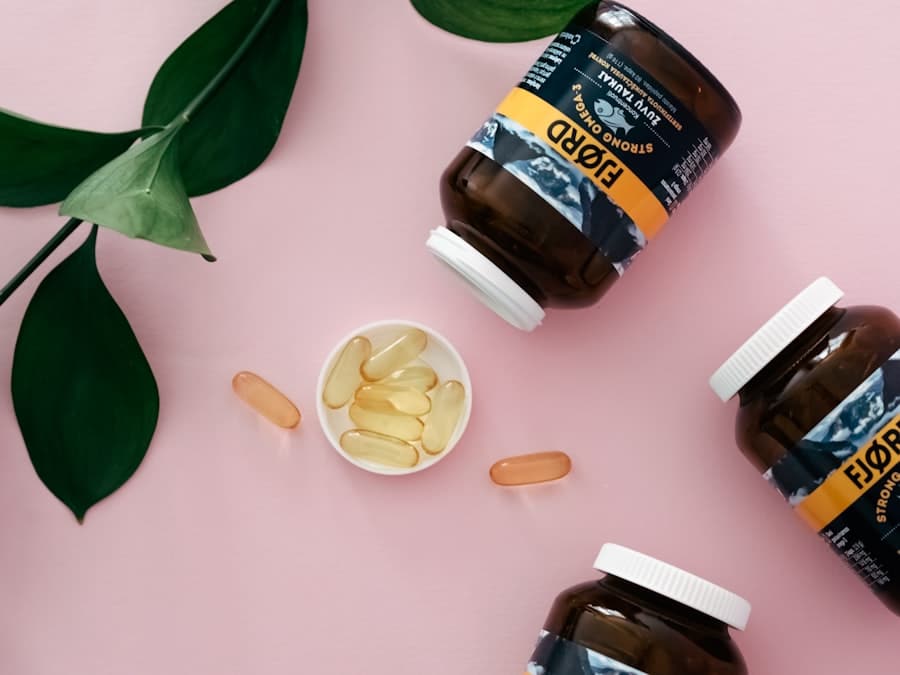
While glutathione is generally considered safe for most individuals when taken at recommended dosages, there are potential side effects and risks associated with its administration. Some people may experience mild gastrointestinal issues such as bloating or diarrhea when taking oral supplements. These side effects are usually temporary and resolve once your body adjusts to the supplement.
In rare cases, allergic reactions may occur, particularly with intravenous administration. Symptoms can include rash, itching, or difficulty breathing. If you experience any severe reactions after taking glutathione, it’s crucial to seek medical attention immediately.
Additionally, individuals with certain medical conditions or those who are pregnant or breastfeeding should exercise caution and consult their healthcare provider before starting any form of glutathione supplementation.
Interactions with Other Medications and Supplements
Glutathione may interact with certain medications and supplements, which is why it’s essential to discuss any potential interactions with your healthcare provider before starting supplementation. For instance, some studies suggest that glutathione may affect the efficacy of certain chemotherapy drugs by altering their metabolism in the liver. If you are undergoing cancer treatment or taking other medications that impact liver function, it’s vital to have an open dialogue with your healthcare team.
Moreover, combining glutathione with other antioxidants may enhance its effects but could also lead to imbalances in your body’s antioxidant defense system. Therefore, if you are considering taking multiple supplements simultaneously, it’s wise to consult with a healthcare professional who can help you navigate potential interactions and ensure that you are making safe choices for your health.
Making Informed Decisions About Glutathione Administration
In conclusion, glutathione is a vital antioxidant that plays numerous roles in maintaining your health and well-being. Understanding its importance in combating oxidative stress and supporting detoxification processes can empower you to make informed decisions about supplementation. Whether you choose oral supplements or opt for intravenous administration, being aware of recommended dosages and potential side effects will help you navigate this journey safely.
As you consider incorporating glutathione into your health regimen, remember that individual needs vary significantly. Consulting with a healthcare professional will provide personalized guidance tailored to your unique circumstances. By taking these steps, you can harness the benefits of glutathione while minimizing risks and ensuring that you make choices that align with your overall health goals.
If you are interested in learning more about how to properly store and handle supplements, check out this helpful article on Tips for Storing and Handling Supplements. It provides valuable information on how to maintain the potency and effectiveness of your supplements. Proper storage and handling can make a big difference in the quality of the supplements you are taking, including glutathione.
FAQs
What is glutathione?
Glutathione is a powerful antioxidant that is naturally produced in the body. It plays a crucial role in protecting cells from oxidative stress and maintaining overall health.
What are the benefits of glutathione?
Glutathione has been linked to numerous health benefits, including boosting the immune system, detoxifying the body, and improving skin health. It also plays a role in reducing inflammation and protecting against chronic diseases.
What is the recommended dosage of glutathione?
The recommended dosage of glutathione can vary depending on the individual’s health condition and the form of supplementation. It is important to consult with a healthcare professional to determine the appropriate dosage for your specific needs.
How is glutathione administered?
Glutathione can be administered through various methods, including oral supplementation, intravenous infusion, and topical application. The method of administration can impact the absorption and effectiveness of glutathione in the body.
Are there any side effects of glutathione supplementation?
While glutathione is generally considered safe for most people, some individuals may experience side effects such as stomach upset, allergic reactions, or worsening of asthma symptoms. It is important to discuss any potential side effects with a healthcare professional before starting glutathione supplementation.
Can glutathione be taken with other medications or supplements?
It is important to consult with a healthcare professional before taking glutathione with other medications or supplements, as it may interact with certain drugs or affect their effectiveness.