Glutathione is a powerful antioxidant that plays a crucial role in maintaining cellular health and overall well-being. Composed of three amino acids—cysteine, glutamine, and glycine—this tripeptide is found in every cell of your body. It acts as a detoxifier, helping to neutralize harmful free radicals and reduce oxidative stress.
This means that glutathione is essential for protecting your cells from damage caused by environmental toxins, pollutants, and even the natural aging process. As you navigate through life, understanding the significance of glutathione can empower you to make informed choices about your health. In addition to its antioxidant properties, glutathione is involved in various metabolic processes, including the synthesis of proteins and the regulation of immune function.
It also plays a vital role in the detoxification of heavy metals and other harmful substances. As you learn more about this remarkable molecule, you may find yourself appreciating its multifaceted contributions to your health. By maintaining optimal levels of glutathione, you can support your body’s natural defenses and promote a healthier, more vibrant life.
Key Takeaways
- Glutathione is a powerful antioxidant produced in the body that plays a crucial role in maintaining overall health and wellness.
- Glutathione plays a significant role in women’s hormonal health by supporting hormonal balance and aiding in the detoxification of excess hormones.
- Glutathione supports hormonal balance by helping to regulate the production and activity of hormones, reducing oxidative stress, and supporting liver function.
- The benefits of glutathione for women’s hormonal health include improved fertility, reduced PMS symptoms, and support during menopause.
- Glutathione may help alleviate symptoms of menopause and support overall hormonal balance during this transitional phase in a woman’s life.
The Role of Glutathione in Women’s Hormonal Health
When it comes to women’s hormonal health, glutathione plays an indispensable role. Hormones are intricate messengers that regulate numerous bodily functions, including metabolism, mood, and reproductive health. Imbalances in hormone levels can lead to a variety of health issues, from menstrual irregularities to mood swings and even fertility challenges.
Glutathione helps maintain hormonal balance by supporting the liver’s detoxification processes, which are essential for metabolizing hormones effectively. By ensuring that your body can efficiently eliminate excess hormones and toxins, glutathione contributes to a more stable hormonal environment. Moreover, glutathione’s antioxidant properties are particularly beneficial for women experiencing hormonal fluctuations throughout their lives.
For instance, during menstruation or pregnancy, your body undergoes significant hormonal changes that can lead to increased oxidative stress. By bolstering your body’s antioxidant defenses, glutathione can help mitigate the effects of these fluctuations, promoting overall hormonal harmony. Understanding how glutathione influences your hormonal health can empower you to take proactive steps toward achieving balance and well-being.
How Glutathione Supports Hormonal Balance

Glutathione supports hormonal balance through several mechanisms that work synergistically to promote optimal health. One of its primary functions is to regulate oxidative stress within the body. When oxidative stress levels rise, they can disrupt hormonal signaling pathways, leading to imbalances that affect everything from mood to metabolism.
By neutralizing free radicals and reducing oxidative stress, glutathione helps maintain the integrity of these pathways, ensuring that hormones can communicate effectively. Additionally, glutathione plays a role in the metabolism of estrogen, a key hormone in women’s health. Estrogen levels can fluctuate significantly throughout a woman’s life, particularly during menstruation, pregnancy, and menopause.
Elevated estrogen levels can lead to conditions such as estrogen dominance, which is associated with various health issues, including weight gain and mood disorders. Glutathione assists in the detoxification of excess estrogen, helping to restore balance and prevent potential complications. By understanding how glutathione supports hormonal balance, you can appreciate its importance in maintaining your overall health.
The Benefits of Glutathione for Women’s Hormonal Health
The benefits of glutathione for women’s hormonal health are extensive and multifaceted. One of the most significant advantages is its ability to enhance energy levels and reduce fatigue. Many women experience fatigue during hormonal fluctuations, whether due to menstruation or other life stages.
By combating oxidative stress and supporting cellular energy production, glutathione can help you feel more energized and vibrant. Furthermore, glutathione has been linked to improved mood regulation. Hormonal imbalances can often lead to mood swings or feelings of anxiety and depression.
By promoting a balanced hormonal environment and reducing oxidative stress in the brain, glutathione may help stabilize your mood and enhance emotional well-being. This holistic approach to mental health is particularly valuable for women navigating the complexities of hormonal changes throughout their lives.
Glutathione and Menopause
Menopause marks a significant transition in a woman’s life, characterized by a decline in hormone production, particularly estrogen. This shift can lead to various symptoms such as hot flashes, night sweats, mood swings, and weight gain. Glutathione may play a supportive role during this transitional phase by helping to alleviate some of these symptoms.
Its antioxidant properties can combat oxidative stress associated with menopause, potentially reducing the severity of hot flashes and other discomforts. Moreover, maintaining adequate levels of glutathione during menopause may support bone health. Estrogen is crucial for maintaining bone density, and its decline during menopause can increase the risk of osteoporosis.
Glutathione’s role in reducing oxidative stress may help protect bone health by promoting cellular repair processes and reducing inflammation. By understanding how glutathione interacts with menopause-related changes in your body, you can take proactive steps to support your health during this important life stage.
Glutathione and PMS

Alleviating PMS Symptoms with Glutathione
Research suggests that glutathione may help alleviate some of these symptoms by addressing the underlying oxidative stress that often accompanies PMS. By enhancing your body’s antioxidant defenses, glutathione can help mitigate the physical and emotional toll of PMS. Additionally, glutathione’s role in hormone metabolism is particularly relevant for women experiencing PMS symptoms related to hormonal imbalances.
Glutathione and Hormonal Balance
By supporting the detoxification of excess estrogen and promoting overall hormonal balance, glutathione may help reduce the severity of PMS symptoms.
Empowerment through Natural PMS Management
Understanding this connection can empower you to explore natural ways to manage PMS effectively while prioritizing your overall well-being.
Glutathione and Fertility
Fertility is a complex interplay of various factors, including hormonal balance, cellular health, and overall well-being. Glutathione plays a vital role in supporting fertility by promoting optimal cellular function and reducing oxidative stress within reproductive tissues. High levels of oxidative stress can negatively impact egg quality and sperm motility, making it more challenging to conceive.
By enhancing your body’s antioxidant defenses through adequate glutathione levels, you may improve your chances of achieving a successful pregnancy. Moreover, glutathione’s influence on hormone regulation is particularly relevant for women trying to conceive. Hormonal imbalances can disrupt ovulation and menstrual cycles, making it more difficult to achieve pregnancy.
By supporting hormonal balance through its detoxification processes, glutathione may help create a more favorable environment for conception. Understanding how glutathione supports fertility can empower you on your journey toward motherhood.
How to Increase Glutathione Levels
Increasing your glutathione levels can be achieved through various lifestyle choices and dietary adjustments. One effective way is by incorporating foods rich in sulfur-containing amino acids into your diet. Foods such as garlic, onions, cruciferous vegetables (like broccoli and Brussels sprouts), and legumes are excellent sources that can help boost your body’s natural production of glutathione.
Additionally, consuming foods high in vitamin C—such as citrus fruits—can further enhance glutathione levels by recycling it within the body. Regular exercise is another powerful way to increase glutathione levels naturally. Engaging in physical activity promotes circulation and enhances cellular function while also reducing oxidative stress over time.
Aim for a balanced routine that includes both aerobic exercises and strength training to maximize the benefits for your overall health and well-being.
Glutathione Supplementation for Women’s Hormonal Health
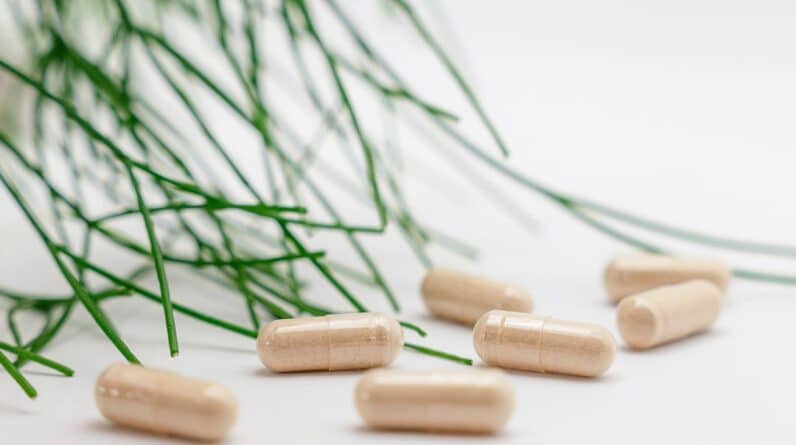
For those seeking additional support for their hormonal health, glutathione supplementation may be an option worth considering. Various forms of supplementation are available on the market today—ranging from oral capsules to intravenous (IV) infusions—each with its own set of benefits and considerations. Oral supplements may be convenient but may have lower bioavailability compared to IV options due to digestive absorption challenges.
Before starting any supplementation regimen, it’s essential to consult with a healthcare professional who understands your unique health needs and goals. They can help determine whether glutathione supplementation is appropriate for you and guide you on the best form and dosage based on your individual circumstances.
Potential Side Effects and Risks of Glutathione
While glutathione is generally considered safe for most individuals when taken at appropriate doses, there are potential side effects and risks associated with its use—especially when taken in high doses or without medical supervision. Some individuals may experience gastrointestinal discomfort or allergic reactions when using oral supplements. Additionally, excessive supplementation could potentially disrupt the body’s natural production of glutathione over time.
It’s crucial to approach supplementation with caution and awareness of your body’s unique needs. Monitoring how you feel after starting any new supplement is essential for ensuring that it aligns with your overall health goals.
Consultation with a Healthcare Professional
Before making any significant changes to your health regimen—especially regarding supplementation—it’s vital to consult with a healthcare professional who understands your individual needs and circumstances. They can provide personalized guidance on how best to incorporate glutathione into your wellness routine while considering any underlying health conditions or medications you may be taking. By working closely with a healthcare provider, you can develop a comprehensive plan that supports your hormonal health while prioritizing safety and efficacy.
This collaborative approach empowers you to take charge of your well-being while ensuring that you’re making informed decisions about your health journey.
Glutathione is a powerful antioxidant that plays a crucial role in women’s hormonal health. It helps to balance hormones and reduce inflammation in the body, leading to improved overall well-being. For women looking to manage their weight effectively, supplements can be a helpful addition to their routine. In a related article on supplements for weight management, readers can learn about different supplements that can aid in weight loss and support a healthy metabolism. By combining the benefits of glutathione with other natural supplements, women can optimize their hormonal health and achieve their wellness goals.
FAQs
What is glutathione?
Glutathione is a powerful antioxidant that is naturally produced in the body. It plays a crucial role in detoxification and immune function.
How does glutathione affect women’s hormonal health?
Glutathione helps to balance hormones by supporting the liver in metabolizing and eliminating excess estrogen. It also helps to reduce oxidative stress, which can impact hormone balance.
What are the benefits of glutathione for women’s hormonal health?
Glutathione can help to reduce symptoms of hormonal imbalances such as PMS, irregular periods, and menopausal symptoms. It can also support fertility and reproductive health.
How can women increase their glutathione levels?
Women can increase their glutathione levels through consuming foods rich in sulfur, such as garlic, onions, and cruciferous vegetables. They can also take glutathione supplements or use glutathione-boosting nutrients like N-acetylcysteine, alpha lipoic acid, and milk thistle.
Are there any risks or side effects associated with glutathione supplementation for women’s hormonal health?
Glutathione supplementation is generally considered safe and well-tolerated. However, individuals with certain medical conditions or those taking medications should consult with a healthcare professional before starting any new supplement regimen.