Stress is an inevitable part of life, and you may find yourself experiencing it in various forms, whether from work, relationships, or personal challenges. When you encounter stress, your body reacts in a complex manner, triggering a cascade of physiological responses. This reaction is often referred to as the “fight or flight” response, where your body prepares to confront or flee from perceived threats.
While this response can be beneficial in short bursts, chronic stress can lead to a multitude of health issues, including anxiety, depression, cardiovascular problems, and weakened immune function. The impact of stress on your body is profound and multifaceted. You might notice that during stressful periods, your heart rate increases, your muscles tense up, and your breathing becomes rapid.
These physical manifestations are your body’s way of preparing to deal with challenges. However, when stress becomes chronic, it can lead to long-term changes in your body’s systems. For instance, prolonged exposure to stress hormones like cortisol can disrupt your metabolism, impair cognitive function, and even affect your digestive health.
Understanding these effects is crucial for managing stress effectively and maintaining overall well-being.
Key Takeaways
- Chronic stress can have a significant impact on the body, leading to various health issues.
- Glutathione plays a crucial role in managing stress by protecting cells from oxidative damage.
- Glutathione works in the body by neutralizing free radicals and supporting the immune system.
- Supplementing with glutathione can help reduce stress, improve mental clarity, and support overall well-being.
- Glutathione can be found in foods like asparagus, avocado, and spinach, and can also be increased through lifestyle changes such as regular exercise and adequate sleep.
The Role of Glutathione in Managing Stress
The Role of Glutathione in Combating Oxidative Stress
When you’re under stress, its demand for antioxidants increases significantly. Glutathione helps combat oxidative stress by neutralizing free radicals, which can cause cellular damage. Maintaining optimal levels of glutathione becomes increasingly important as you navigate through stressful situations.
The Consequences of Low Glutathione
Low levels of this antioxidant can lead to increased oxidative stress, which may exacerbate the negative effects of stress on your body. By supporting your glutathione levels, you can enhance your resilience to stress and improve your overall health.
Understanding the Connection between Glutathione and Stress Management
The connection between glutathione and stress management highlights the need to understand how this antioxidant functions. By doing so, you can take steps to support your glutathione levels, leading to improved stress resilience and overall well-being.
How Glutathione Works in the Body
Glutathione operates through several mechanisms that are crucial for maintaining cellular health. One of its primary functions is to neutralize free radicals and reactive oxygen species (ROS), which are byproducts of metabolic processes and external stressors. When you are under stress, your body produces more ROS, leading to oxidative damage if not adequately managed.
Glutathione acts as a scavenger, binding to these harmful molecules and rendering them harmless. In addition to its antioxidant properties, glutathione plays a significant role in detoxification processes within your liver. It helps conjugate toxins, making them more water-soluble and easier for your body to excrete.
This detoxification process is particularly important during times of stress when your body may be exposed to various environmental toxins or metabolic waste products. By facilitating the removal of these harmful substances, glutathione supports your overall health and well-being.
Benefits of Glutathione Supplementation for Stress Management
Supplementing with glutathione can offer numerous benefits for managing stress effectively. One of the most significant advantages is its ability to enhance your body’s antioxidant defenses. By increasing glutathione levels through supplementation, you may find that you are better equipped to combat oxidative stress caused by chronic stressors.
This can lead to improved energy levels, better mood regulation, and enhanced cognitive function. Moreover, glutathione supplementation may also support immune function during stressful times. Stress can weaken your immune system, making you more susceptible to illness.
By bolstering your glutathione levels, you can help protect your body against infections and illnesses that may arise during periods of heightened stress. This dual action of supporting both antioxidant defenses and immune health makes glutathione a valuable ally in your stress management toolkit.
Sources of Glutathione
While your body produces glutathione naturally, certain dietary sources can help boost its levels. Foods rich in sulfur-containing amino acids are particularly beneficial for enhancing glutathione production. You might consider incorporating foods like garlic, onions, cruciferous vegetables (such as broccoli and Brussels sprouts), and legumes into your diet.
These foods not only provide the necessary building blocks for glutathione synthesis but also contain other antioxidants that support overall health. In addition to dietary sources, you may also explore glutathione supplements available in various forms, including capsules, powders, and intravenous options. However, it’s essential to choose high-quality supplements from reputable brands to ensure efficacy and safety.
By combining dietary sources with supplementation when necessary, you can create a comprehensive approach to maintaining optimal glutathione levels in your body.
Dosage and Administration of Glutathione Supplements
Dosage Range
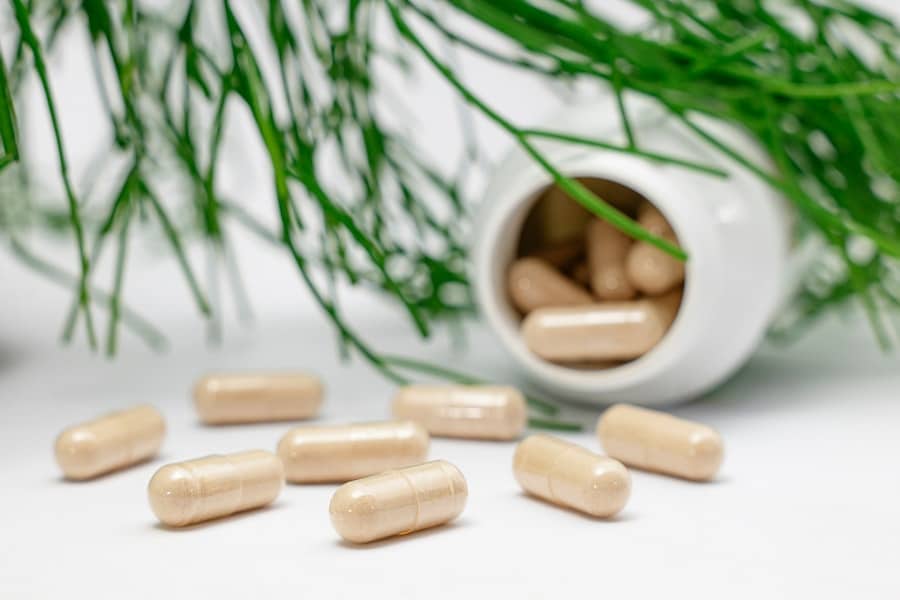
The recommended dosage can vary based on individual needs and health conditions. Generally, doses range from 250 mg to 1,000 mg per day for oral supplements; however, it’s advisable to start with a lower dose and gradually increase it as needed.
Forms of Glutathione Supplements
You may also encounter different forms of glutathione supplements, such as liposomal glutathione or acetylated forms that are designed for better absorption in the body.
Administration Methods
If you opt for intravenous administration, this method typically allows for higher doses to be delivered directly into the bloodstream under medical supervision. Regardless of the approach you choose, consulting with a healthcare professional is essential to determine the most suitable approach for your specific circumstances.
Potential Side Effects and Risks of Glutathione Supplementation
While glutathione supplementation is generally considered safe for most individuals, it’s essential to be aware of potential side effects and risks associated with its use. Some people may experience mild gastrointestinal discomfort, such as bloating or diarrhea when taking oral supplements. These side effects are usually temporary and can often be mitigated by adjusting the dosage or taking the supplement with food.
In rare cases, allergic reactions may occur in individuals sensitive to glutathione or its components. If you experience symptoms such as rash, itching, or difficulty breathing after taking a supplement, it’s crucial to seek medical attention immediately. Additionally, individuals with certain medical conditions or those taking specific medications should consult their healthcare provider before starting glutathione supplementation to avoid any potential interactions or complications.
Other Natural Ways to Increase Glutathione Levels in the Body
In addition to supplementation and dietary sources, there are several natural lifestyle changes you can implement to boost your body’s glutathione levels. Regular exercise is one effective way to enhance glutathione production; physical activity stimulates the body’s antioxidant systems and promotes overall health. Engaging in activities like aerobic exercise or strength training can help increase your body’s resilience against oxidative stress.
Moreover, prioritizing adequate sleep is essential for maintaining optimal glutathione levels. Sleep deprivation can lead to increased oxidative stress and decreased antioxidant capacity in the body. By ensuring you get enough restorative sleep each night, you can support your body’s natural ability to produce glutathione and manage stress more effectively.
Combining Glutathione Supplementation with Other Stress Management Techniques
To maximize the benefits of glutathione supplementation for stress management, consider integrating it with other holistic techniques that promote relaxation and well-being. Mindfulness practices such as meditation or yoga can help reduce stress levels by calming the mind and promoting emotional balance. These practices encourage deep breathing and relaxation responses that complement the antioxidant effects of glutathione.
Additionally, engaging in social activities or spending time with loved ones can provide emotional support during stressful times. Building strong social connections has been shown to buffer against stress and improve overall mental health. By combining these techniques with glutathione supplementation, you create a comprehensive approach that addresses both the physiological and psychological aspects of stress management.
Research and Studies on Glutathione and Stress Management
Research on glutathione’s role in stress management has gained momentum in recent years, highlighting its potential benefits for mental health and overall well-being. Studies have shown that individuals with lower levels of glutathione may be more susceptible to anxiety and depression during stressful periods. This correlation underscores the importance of maintaining adequate glutathione levels as a protective factor against mental health challenges.
Furthermore, clinical trials exploring the effects of glutathione supplementation on stress-related conditions have yielded promising results. Participants who supplemented with glutathione reported improvements in mood stability and reduced feelings of anxiety compared to those who did not receive supplementation. These findings suggest that enhancing glutathione levels could be a valuable strategy for individuals seeking effective ways to manage stress.
Consultation with a Healthcare Professional Before Starting Glutathione Supplementation
Before embarking on any supplementation journey, including glutathione supplementation, it’s vital to consult with a healthcare professional. They can assess your individual health needs and determine whether glutathione supplementation is appropriate for you based on your medical history and current medications. This step ensures that you make informed decisions about your health while minimizing potential risks.
Your healthcare provider can also guide you on the best dosage and form of supplementation tailored to your specific circumstances. By working together with a professional, you can develop a comprehensive plan that incorporates glutathione supplementation alongside other lifestyle changes aimed at managing stress effectively and promoting overall well-being. In conclusion, understanding the multifaceted relationship between stress and health is crucial for navigating life’s challenges effectively.
By recognizing the role of glutathione in managing stress and exploring various methods for enhancing its levels in your body—whether through diet, supplementation, or lifestyle changes—you empower yourself to take control of your well-being amidst life’s inevitable stresses.
If you are interested in learning more about the importance of daily nutrient intake for overall health and wellness, check out this informative article on what nutrients do I need daily. Understanding the essential vitamins and minerals your body requires can help you make informed decisions about your diet and supplementation routine. In addition to stress management through glutathione supplementation, ensuring you are meeting your daily nutrient needs is crucial for maintaining optimal health.
FAQs
What is glutathione?
Glutathione is a powerful antioxidant that is naturally produced in the body. It plays a crucial role in protecting cells from oxidative stress and maintaining overall health.
How does glutathione help in stress management?
Glutathione helps in stress management by reducing oxidative stress in the body. It neutralizes free radicals and helps in maintaining a healthy immune system, which in turn can help in managing stress.
Can glutathione supplementation help in managing stress?
Yes, glutathione supplementation can help in managing stress by providing the body with an additional dose of this powerful antioxidant. This can help in reducing oxidative stress and supporting overall health.
Are there any side effects of glutathione supplementation?
Glutathione supplementation is generally considered safe and well-tolerated. However, some individuals may experience mild side effects such as stomach upset or allergic reactions. It is important to consult a healthcare professional before starting any supplementation.
How can I increase glutathione levels in my body naturally?
You can increase glutathione levels in your body naturally by consuming foods rich in sulfur, such as garlic, onions, and cruciferous vegetables. Regular exercise, reducing stress, and getting adequate sleep can also help in boosting glutathione levels.