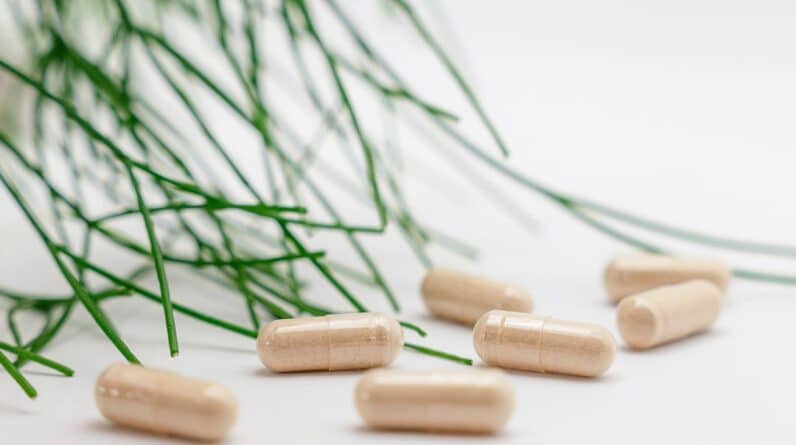
Glutathione is a powerful antioxidant that plays a crucial role in maintaining cellular health. Composed of three amino acids—cysteine, glutamine, and glycine—this tripeptide is found in every cell of your body. Its primary function is to combat oxidative stress, which can lead to cellular damage and various health issues.
By neutralizing free radicals, glutathione helps to protect your cells from the harmful effects of environmental toxins, pollutants, and even the natural byproducts of metabolism. Understanding the significance of glutathione is essential for anyone looking to enhance their overall health and well-being. Moreover, glutathione is not just a passive player in your body; it actively participates in numerous biochemical processes.
It aids in the synthesis of DNA, the regulation of cell division, and the metabolism of fats and proteins. This multifaceted role makes it a vital component in your body’s defense mechanisms. As you delve deeper into the world of antioxidants, recognizing the importance of glutathione can empower you to make informed decisions about your health and lifestyle choices.
Key Takeaways
- Glutathione is a powerful antioxidant that plays a crucial role in detoxification and immune function.
- Genetic factors can influence individual levels of glutathione, impacting personalized health and susceptibility to chronic health conditions.
- Glutathione supplementation can support detoxification processes in the body, aiding in the removal of harmful toxins and free radicals.
- Glutathione is essential for a healthy immune system, helping to protect against infections and diseases.
- Personalized dosage and administration of glutathione is important for optimizing its benefits and minimizing potential risks and side effects.
The Role of Glutathione in Personalized Health
In the realm of personalized health, glutathione emerges as a key player due to its unique ability to adapt to individual needs. Each person’s body has different requirements based on genetics, lifestyle, and environmental factors. By understanding your specific glutathione levels, you can tailor your health strategies to optimize this powerful antioxidant’s benefits.
This personalized approach allows you to address potential deficiencies and enhance your overall well-being. Furthermore, the role of glutathione extends beyond mere supplementation; it encompasses dietary choices and lifestyle modifications. For instance, incorporating foods rich in sulfur, such as garlic, onions, and cruciferous vegetables, can naturally boost your body’s glutathione production.
Additionally, engaging in regular physical activity and managing stress levels can further enhance your glutathione status. By taking a holistic view of your health, you can create a personalized plan that maximizes the benefits of glutathione while addressing your unique needs.
Genetic Factors and Glutathione Levels

Your genetic makeup significantly influences your body’s ability to produce and utilize glutathione. Variations in genes responsible for glutathione synthesis can lead to differences in levels among individuals. For example, polymorphisms in the GSTP1 gene can affect how efficiently your body detoxifies harmful substances.
Understanding these genetic factors can provide valuable insights into your health and guide you in making informed decisions about supplementation and dietary choices. Moreover, genetic predispositions can also impact how your body responds to oxidative stress. If you have a genetic variant that reduces glutathione levels, you may be more susceptible to chronic diseases or age-related decline.
By recognizing these genetic influences, you can take proactive steps to support your glutathione levels through targeted interventions, such as specific dietary changes or lifestyle adjustments that align with your genetic profile.
Glutathione and Detoxification
Detoxification is one of the primary functions of glutathione, making it an essential component in maintaining your body’s overall health. Your liver relies on glutathione to neutralize and eliminate toxins, heavy metals, and other harmful substances that accumulate over time. When you support your body’s detoxification processes with adequate levels of glutathione, you enhance its ability to cleanse itself from within.
In addition to its role in liver detoxification, glutathione also aids in the removal of free radicals generated by environmental pollutants and stressors. By facilitating the conjugation process—where toxins are bound to glutathione for easier excretion—this antioxidant ensures that harmful substances are efficiently eliminated from your system. Understanding how glutathione supports detoxification empowers you to make choices that promote a cleaner, healthier body.
Glutathione and Immune Function
Your immune system relies heavily on glutathione for optimal function. This antioxidant plays a pivotal role in regulating immune responses and protecting immune cells from oxidative damage. When your body faces infections or inflammation, glutathione levels can become depleted, compromising your immune defense.
By ensuring adequate glutathione levels, you can bolster your immune system’s ability to respond effectively to pathogens. Moreover, research suggests that glutathione may enhance the activity of various immune cells, including T-cells and natural killer cells. These cells are crucial for identifying and eliminating infected or cancerous cells within your body.
By supporting your immune function with sufficient glutathione levels, you can improve your resilience against infections and chronic diseases, ultimately leading to better overall health.
Glutathione and Aging
As you age, your body’s natural production of glutathione tends to decline, which can contribute to various age-related health issues. This decrease in antioxidant levels is associated with increased oxidative stress and inflammation, both of which play significant roles in the aging process. Understanding the relationship between glutathione and aging can help you take proactive measures to maintain your health as you grow older.
To counteract the decline in glutathione levels associated with aging, consider incorporating lifestyle changes that promote its production. Regular exercise, a balanced diet rich in antioxidants, and stress management techniques can all contribute to maintaining optimal glutathione levels. By prioritizing these practices, you can support healthy aging and potentially mitigate some of the negative effects associated with growing older.
Personalized Dosage and Administration of Glutathione
When it comes to glutathione supplementation, one size does not fit all. Personalized dosage and administration are crucial for maximizing its benefits while minimizing potential risks. Factors such as age, weight, health status, and specific health goals should all be considered when determining the appropriate dosage for you.
Consulting with a healthcare professional who understands your unique needs can help guide you in selecting the right form and dosage of glutathione. Additionally, there are various methods of administering glutathione supplements, including oral capsules, intravenous injections, and topical applications. Each method has its advantages and disadvantages depending on individual preferences and health conditions.
For instance, intravenous administration may provide faster results for those with severe deficiencies or specific health concerns, while oral supplements may be more convenient for daily use. Understanding these options allows you to make informed decisions about how best to incorporate glutathione into your health regimen.
Glutathione and Chronic Health Conditions
Chronic health conditions often involve increased oxidative stress and inflammation, making glutathione an essential ally in managing these issues. Conditions such as diabetes, cardiovascular disease, and neurodegenerative disorders have been linked to low levels of this vital antioxidant. By addressing glutathione deficiencies through supplementation or dietary changes, you may be able to improve your overall health outcomes related to these chronic conditions.
Moreover, research indicates that enhancing glutathione levels may help alleviate symptoms associated with chronic illnesses. For example, individuals with asthma or chronic obstructive pulmonary disease (COPD) may experience improved lung function when their glutathione levels are optimized. By understanding the connection between glutathione and chronic health conditions, you can take proactive steps toward better management of these issues.
Glutathione and Athletic Performance
For athletes and fitness enthusiasts alike, glutathione plays a significant role in enhancing performance and recovery. Intense physical activity generates oxidative stress that can lead to muscle fatigue and delayed recovery times. By ensuring adequate levels of glutathione, you can help mitigate these effects and support optimal athletic performance.
Additionally, research suggests that glutathione may aid in reducing exercise-induced muscle damage and inflammation. This means that by incorporating strategies to boost your glutathione levels—such as proper nutrition or targeted supplementation—you may experience improved endurance and faster recovery times after workouts. Understanding how glutathione impacts athletic performance empowers you to optimize your training regimen for better results.
Potential Risks and Side Effects of Glutathione Supplementation
While glutathione supplementation offers numerous benefits, it is essential to be aware of potential risks and side effects associated with its use. Some individuals may experience gastrointestinal discomfort or allergic reactions when taking oral supplements. Additionally, excessive supplementation could lead to imbalances in other antioxidants within the body.
To minimize risks, it is crucial to consult with a healthcare professional before starting any supplementation regimen. They can help assess your individual needs and determine whether glutathione supplementation is appropriate for you. By taking a cautious approach and monitoring your body’s response to supplementation, you can enjoy the benefits of glutathione while minimizing potential adverse effects.
Incorporating Glutathione into a Personalized Health Plan
Incorporating glutathione into your personalized health plan requires a comprehensive approach that considers various factors unique to you. Start by assessing your current health status and identifying any potential deficiencies or imbalances related to oxidative stress or inflammation. This assessment will serve as a foundation for developing a tailored strategy that includes dietary changes, lifestyle modifications, and potential supplementation.
Next, focus on integrating foods rich in sulfur—such as garlic, onions, broccoli, and kale—into your diet to naturally support glutathione production. Additionally, consider engaging in regular physical activity and stress-reducing practices like yoga or meditation to further enhance your body’s antioxidant defenses. By taking these steps toward a personalized health plan centered around optimizing glutathione levels, you can empower yourself to achieve better overall health and well-being for years to come.
In a related article on Health Nutrition Supplements, the importance of nutrition is highlighted in What Are 3 Reasons Why Nutrition Is Important. This article delves into the crucial role that nutrition plays in overall health and well-being, emphasizing the need for a balanced diet to support optimal functioning of the body. Understanding the significance of nutrition is essential in achieving personalized health goals, such as utilizing customized approaches like Glutathione supplementation.
FAQs
What is personalized health?
Personalized health refers to the practice of tailoring medical treatment and healthcare decisions to the individual characteristics of each patient. This approach takes into account a person’s unique genetic makeup, lifestyle, and environmental factors to provide customized and targeted healthcare solutions.
What is glutathione and its role in personalized health?
Glutathione is a powerful antioxidant produced naturally in the body. It plays a crucial role in detoxification, immune function, and maintaining cellular health. In personalized health, glutathione is used as a customized approach to address specific health concerns and optimize overall well-being based on an individual’s unique needs.
How is glutathione personalized for individuals?
Glutathione can be personalized for individuals through various methods such as genetic testing to identify specific genetic variations that affect glutathione production and function, as well as assessing lifestyle factors and environmental exposures that may impact glutathione levels. Based on this personalized information, healthcare providers can recommend targeted interventions to support glutathione levels and function.
What are the potential benefits of personalized glutathione therapy?
Personalized glutathione therapy may offer a range of potential benefits, including improved detoxification, enhanced immune function, reduced oxidative stress, and support for overall health and well-being. By addressing individual variations in glutathione levels and function, personalized glutathione therapy aims to optimize health outcomes for each person.
Is personalized glutathione therapy suitable for everyone?
While glutathione is a naturally occurring substance in the body, personalized glutathione therapy may not be suitable for everyone. It is important for individuals to consult with a healthcare provider who can assess their specific health needs, genetic factors, and overall medical history to determine if personalized glutathione therapy is appropriate for them.