Oxidative stress is a term that you may have encountered in discussions about health and wellness, but what does it really mean? At its core, oxidative stress refers to an imbalance between free radicals and antioxidants in your body. Free radicals are unstable molecules that can cause damage to cells, proteins, and DNThey are produced naturally during metabolic processes, but factors such as pollution, smoking, and poor diet can increase their levels.
When free radicals outnumber antioxidants, the resulting oxidative stress can lead to cellular damage and contribute to various health issues. You might be surprised to learn that oxidative stress is linked to a range of chronic diseases, including heart disease, diabetes, and even cancer. The body has its own defense mechanisms to combat oxidative stress, primarily through antioxidants that neutralize free radicals.
However, when these defenses are overwhelmed, it can lead to a cascade of negative effects on your health. Understanding oxidative stress is crucial because it highlights the importance of maintaining a balance between free radicals and antioxidants to promote overall well-being.
Key Takeaways
- Oxidative stress occurs when there is an imbalance of free radicals and antioxidants in the body, leading to damage to cells and DNA.
- Glutathione is a powerful antioxidant produced in the body that plays a crucial role in detoxification and immune function.
- Glutathione helps combat oxidative stress by neutralizing free radicals and supporting the body’s natural defense systems.
- Boosting glutathione levels can be achieved through consuming sulfur-rich foods, regular exercise, and adequate sleep.
- Glutathione supplementation has been linked to improved immune function, detoxification, and protection against chronic diseases.
What is Glutathione?
Glutathione is a powerful antioxidant that plays a vital role in your body’s defense against oxidative stress. Composed of three amino acids—cysteine, glutamine, and glycine—glutathione is often referred to as the “master antioxidant.” It is found in every cell of your body and is particularly concentrated in the liver, where it helps detoxify harmful substances. This tripeptide not only neutralizes free radicals but also regenerates other antioxidants, enhancing their effectiveness.
You may not realize it, but glutathione is essential for numerous bodily functions beyond just combating oxidative stress. It supports the immune system, aids in the synthesis of DNA, and helps transport amino acids across cell membranes. Additionally, glutathione plays a role in the metabolism of fats and proteins, making it crucial for maintaining overall health.
Given its wide-ranging benefits, ensuring adequate levels of glutathione in your body is essential for optimal functioning.
The Role of Glutathione in Fighting Oxidative Stress

Glutathione’s primary function as an antioxidant makes it a key player in the fight against oxidative stress. When free radicals are present in excess, glutathione steps in to neutralize them, effectively reducing their potential for harm. This process not only protects your cells from damage but also helps maintain the integrity of your DNA and cellular structures.
By doing so, glutathione plays a critical role in preventing the onset of various diseases associated with oxidative stress. Moreover, glutathione has the unique ability to regenerate itself after neutralizing free radicals. This means that it can continue to provide protection against oxidative stress over time.
When you maintain healthy levels of glutathione, you enhance your body’s resilience against environmental toxins and other stressors. This protective mechanism is particularly important as you age or if you are exposed to factors that increase oxidative stress, such as poor diet or chronic illness.
How to Boost Glutathione Levels
Boosting your glutathione levels can be achieved through various lifestyle changes and dietary choices. One effective way to enhance your glutathione production is by consuming foods rich in sulfur-containing amino acids. Foods such as garlic, onions, cruciferous vegetables (like broccoli and Brussels sprouts), and legumes can help stimulate your body’s natural production of glutathione.
Incorporating these foods into your meals can be a delicious way to support your health. In addition to dietary changes, regular exercise has been shown to increase glutathione levels in the body. Engaging in physical activity not only promotes overall health but also enhances your body’s antioxidant defenses.
Furthermore, reducing exposure to environmental toxins—such as avoiding smoking and limiting alcohol consumption—can help preserve your glutathione levels. By making these conscious choices, you can create an environment within your body that supports optimal glutathione production.
Benefits of Glutathione Supplementation
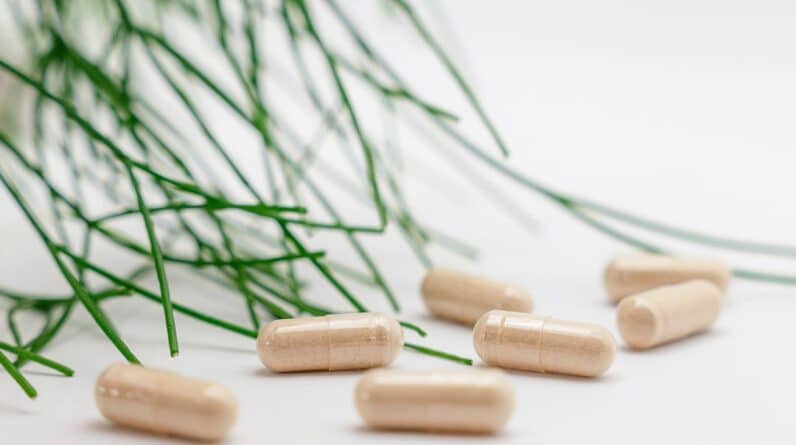
While your body can produce glutathione naturally, supplementation may be beneficial for some individuals, especially those with specific health concerns or increased oxidative stress levels. Glutathione supplements come in various forms, including capsules, powders, and intravenous options. These supplements can help replenish depleted levels of glutathione and provide additional support for your body’s antioxidant defenses.
One of the most significant benefits of glutathione supplementation is its potential to enhance detoxification processes. By increasing glutathione levels, you may improve your body’s ability to eliminate harmful substances and toxins more effectively. Additionally, some studies suggest that glutathione supplementation may support immune function and improve overall energy levels.
However, it’s essential to consult with a healthcare professional before starting any supplementation regimen to ensure it’s appropriate for your individual needs.
Glutathione and Aging

As you age, your body’s natural production of glutathione tends to decline. This decrease can contribute to increased oxidative stress and a higher risk of age-related diseases. Research has shown that lower levels of glutathione are associated with various age-related conditions, including neurodegenerative diseases like Alzheimer’s and Parkinson’s.
Therefore, maintaining adequate levels of this vital antioxidant becomes increasingly important as you grow older. Incorporating strategies to boost glutathione levels can help mitigate some effects of aging. By focusing on a nutrient-rich diet, regular exercise, and possibly supplementation, you can support your body’s natural defenses against oxidative stress.
This proactive approach may not only enhance your overall health but also improve your quality of life as you age.
Glutathione and Disease Prevention
The link between glutathione levels and disease prevention is an area of growing interest in the medical community. Research suggests that maintaining optimal levels of glutathione may play a role in reducing the risk of chronic diseases such as cardiovascular disease, diabetes, and certain types of cancer. By combating oxidative stress and inflammation, glutathione helps protect your cells from damage that could lead to disease development.
Furthermore, studies have indicated that individuals with higher glutathione levels tend to have better overall health outcomes. This correlation highlights the importance of monitoring and supporting your body’s antioxidant defenses as part of a comprehensive approach to disease prevention. By prioritizing glutathione through diet, lifestyle changes, and supplementation when necessary, you can take proactive steps toward safeguarding your health.
Incorporating Glutathione into Your Wellness Routine
Integrating glutathione into your wellness routine doesn’t have to be complicated; it can be as simple as making mindful choices in your daily life. Start by evaluating your diet—are you consuming enough fruits and vegetables rich in antioxidants? Consider adding more sulfur-rich foods like garlic and cruciferous vegetables to your meals.
Additionally, staying hydrated and managing stress through practices like yoga or meditation can further support your body’s antioxidant systems. If you’re considering supplementation, consult with a healthcare professional who can guide you on the best options for your specific needs. Whether through dietary changes or supplements, prioritizing glutathione can significantly impact your overall health and well-being.
By taking these steps, you empower yourself to combat oxidative stress effectively and promote a healthier future for yourself.
Glutathione is a powerful antioxidant that can help combat oxidative stress in the body. For more information on different types of health nutrition supplements available, check out this article. It is important to incorporate supplements into your diet to reap the benefits they offer, as discussed in this article. Additionally, supplements can also be helpful for weight management, as outlined in this article.
FAQs
What is glutathione?
Glutathione is a powerful antioxidant that is naturally produced in the body. It plays a crucial role in protecting cells from oxidative stress and maintaining overall health.
How does glutathione work in the body?
Glutathione works by neutralizing free radicals and preventing damage to cells and tissues. It also helps to regenerate other antioxidants, such as vitamins C and E, making them more effective in combating oxidative stress.
What are the benefits of glutathione?
Glutathione offers a wide range of health benefits, including boosting the immune system, detoxifying the body, and supporting overall cellular health. It has also been linked to anti-aging effects and may help improve skin health.
How can I increase my glutathione levels?
There are several ways to naturally increase glutathione levels in the body, including consuming foods rich in sulfur, such as garlic, onions, and cruciferous vegetables, as well as taking supplements specifically designed to support glutathione production.
Are there any risks or side effects associated with glutathione supplementation?
While glutathione supplementation is generally considered safe, some individuals may experience mild side effects such as stomach upset or allergic reactions. It is always best to consult with a healthcare professional before starting any new supplement regimen.