Glutathione is a powerful antioxidant that is naturally produced in your body. It is composed of three amino acids: cysteine, glutamine, and glycine. This tripeptide plays a crucial role in various bodily functions, including detoxification, immune system support, and the maintenance of cellular health.
As you age or face environmental stressors, your body’s levels of glutathione can diminish, leading to oxidative stress and a range of health issues. This decline can also affect your skin, making it appear dull and uneven. In recent years, glutathione has gained popularity in the beauty industry, particularly for its skin-whitening properties.
Many people are turning to this antioxidant not only for its health benefits but also for its potential to enhance skin tone and texture. By inhibiting melanin production, glutathione has become a sought-after ingredient in various skincare products and treatments aimed at achieving a brighter complexion. Understanding what glutathione is and how it functions in your body is essential for appreciating its role in skin health.
Key Takeaways
- Glutathione is a powerful antioxidant naturally produced in the body, known for its skin whitening properties.
- Glutathione works for skin whitening by inhibiting the production of melanin, the pigment responsible for skin color.
- The science behind Glutathione and skin pigmentation involves its ability to reduce the activity of tyrosinase, an enzyme involved in melanin production.
- Potential benefits of using Glutathione for skin whitening include improved skin tone and reduction of hyperpigmentation, but there are also risks such as potential side effects and lack of long-term safety data.
- Different forms of Glutathione for skin whitening include oral supplements, topical creams, and intravenous injections, each with varying levels of effectiveness and safety.
How does Glutathione work for skin whitening?
The mechanism by which glutathione promotes skin whitening is primarily linked to its ability to inhibit the enzyme tyrosinase, which is crucial in the production of melanin. Melanin is the pigment responsible for the color of your skin, hair, and eyes. When tyrosinase activity is reduced, melanin production decreases, leading to a lighter skin tone.
This process is particularly appealing to those who seek to reduce hyperpigmentation, dark spots, or an uneven skin tone. Moreover, glutathione also acts as a reducing agent, converting darker forms of melanin (eumelanin) into lighter forms (pheomelanin). This transformation not only helps in achieving a fairer complexion but also contributes to an overall improvement in skin clarity and brightness.
As you incorporate glutathione into your skincare routine, you may notice a gradual lightening effect on your skin, making it appear more radiant and youthful.
The science behind Glutathione and skin pigmentation

The relationship between glutathione and skin pigmentation is rooted in biochemistry. When you apply glutathione topically or take it as a supplement, it enters your bloodstream and begins to exert its effects on melanin production. The inhibition of tyrosinase activity is just one aspect of how glutathione influences pigmentation; it also helps to combat oxidative stress that can lead to skin damage and discoloration.
Research has shown that individuals with higher levels of glutathione tend to have lighter skin tones compared to those with lower levels. This correlation suggests that maintaining optimal glutathione levels may be beneficial for achieving and maintaining a brighter complexion. Additionally, glutathione’s antioxidant properties help protect your skin from environmental damage caused by UV rays and pollution, further supporting its role in promoting an even skin tone.
Potential benefits and risks of using Glutathione for skin whitening
While the benefits of using glutathione for skin whitening are appealing, it is essential to consider potential risks as well. On the positive side, glutathione can improve skin texture, reduce the appearance of dark spots, and provide an overall brighter complexion. Its antioxidant properties also contribute to healthier skin by combating free radicals that can cause premature aging.
However, there are some risks associated with glutathione use that you should be aware of. Some individuals may experience allergic reactions or skin irritations when using products containing glutathione. Additionally, excessive use or high doses of glutathione supplements may lead to imbalances in your body’s natural processes.
It’s crucial to consult with a healthcare professional before starting any new treatment or supplement regimen to ensure it aligns with your individual health needs.
Different forms of Glutathione for skin whitening
Glutathione is available in various forms, each offering unique benefits for skin whitening. One common method is topical application through creams or serums that contain glutathione as an active ingredient. These products are designed to be absorbed directly into the skin, allowing for localized treatment of pigmentation issues.
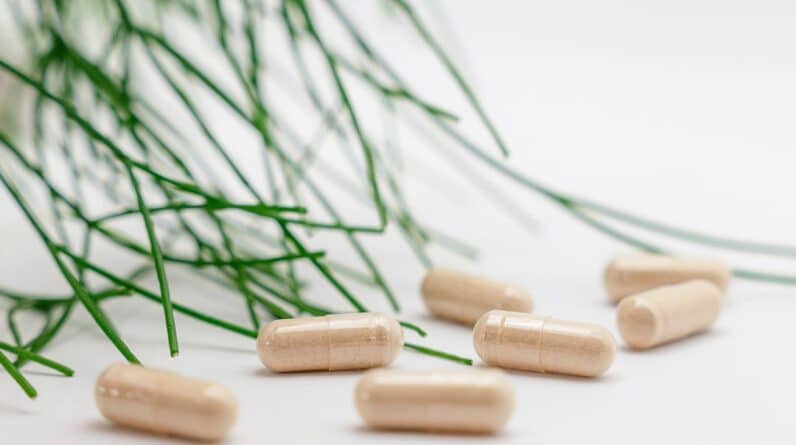
Another popular form is oral supplementation, where you can take glutathione capsules or tablets. This method aims to increase your body’s overall levels of glutathione, potentially leading to systemic benefits for your skin and overall health. Intravenous (IV) administration of glutathione has also gained traction in some beauty clinics, providing a direct and rapid way to boost glutathione levels in your body.
Each form has its pros and cons, so it’s essential to choose one that fits your lifestyle and skincare goals.
How to use Glutathione for skin whitening

Incorporating glutathione into your skincare routine can be straightforward if you follow a few key steps. If you opt for topical products, start by cleansing your face thoroughly to remove any impurities. After cleansing, apply a serum or cream containing glutathione directly onto your skin.
It’s advisable to use these products consistently for optimal results; many users report seeing improvements after several weeks of regular application. If you choose oral supplements instead, be sure to follow the recommended dosage on the product label or as advised by a healthcare professional. Consistency is key here as well; taking the supplement daily can help maintain elevated levels of glutathione in your body over time.
For those considering IV treatments, consult with a licensed practitioner who specializes in this area to ensure safety and efficacy.
Real-life experiences and reviews of using Glutathione for skin whitening
Many individuals have shared their experiences with using glutathione for skin whitening, often highlighting both positive outcomes and challenges faced during their journeys. Some users report significant improvements in their skin tone and texture after incorporating glutathione into their routines. They describe their skin as looking brighter and more youthful, with reduced dark spots and an overall even complexion.
However, not all experiences are universally positive. Some users have reported minimal changes or even adverse reactions such as irritation or breakouts after using certain products containing glutathione. These mixed reviews underscore the importance of patch testing new products and consulting with professionals before starting any new treatment regimen.
Your individual skin type and sensitivity can greatly influence how well you respond to glutathione-based treatments.
Alternative methods for achieving skin whitening
If you’re exploring options for achieving a lighter complexion but are hesitant about using glutathione, there are several alternative methods worth considering. Natural remedies such as lemon juice, aloe vera, and turmeric have been traditionally used for their skin-brightening properties. These ingredients can be incorporated into DIY masks or used as part of your daily skincare routine.
Additionally, chemical exfoliants like alpha hydroxy acids (AHAs) and beta hydroxy acids (BHAs) can help improve skin texture and tone by promoting cell turnover and reducing pigmentation over time. Professional treatments such as chemical peels or laser therapy are also effective options for those seeking more immediate results. Ultimately, the best approach will depend on your individual preferences, skin type, and desired outcomes.
In conclusion, understanding glutathione’s role in skin whitening can empower you to make informed decisions about your skincare routine. Whether you choose to incorporate it into your regimen or explore alternative methods, prioritizing your skin’s health should always be at the forefront of your choices.
If you are interested in learning more about common supplement ingredients, you may want to check out this detailed information on common supplement ingredients article. It can provide you with valuable insights into the various components found in skincare products and their potential benefits. Additionally, for more health and beauty tips, you can visit healthnutritionsupplements.net.
FAQs
What is glutathione?
Glutathione is a powerful antioxidant that is naturally produced in the body. It plays a crucial role in protecting cells from oxidative stress and maintaining overall health.
How does glutathione work for skin whitening?
Glutathione is believed to inhibit the production of melanin, the pigment responsible for the color of the skin, hair, and eyes. By reducing melanin production, glutathione may help lighten the skin.
Is there scientific evidence to support the use of glutathione for skin whitening?
While some studies have suggested that glutathione may have skin-lightening effects, the evidence is not conclusive. More research is needed to fully understand the effectiveness of glutathione for skin whitening.
Are there any potential side effects of using glutathione for skin whitening?
Some people may experience side effects such as nausea, stomach cramps, and bloating when taking glutathione supplements. Long-term use of high doses of glutathione may also have potential health risks.
What are the different forms of glutathione for skin whitening?
Glutathione for skin whitening is available in various forms, including oral supplements, topical creams, and intravenous injections. Each form may have different absorption rates and potential side effects.
Is glutathione the only option for skin whitening?
There are various other skin whitening options available, including topical creams, laser treatments, and chemical peels. It is important to consult a dermatologist to determine the most suitable treatment for individual skin concerns.