Anxiety is a complex emotional response that many people experience at various points in their lives. It can manifest as feelings of unease, worry, or fear, often accompanied by physical symptoms such as increased heart rate, sweating, or restlessness. You may find that anxiety can be triggered by specific situations, such as public speaking or job interviews, or it may arise without any clear cause.
Understanding the nature of anxiety is crucial because it allows you to recognize when you are experiencing it and to seek appropriate alternatives to manage it effectively. In recent years, there has been a growing awareness of the limitations and side effects associated with conventional treatments for anxiety, such as prescription medications. While these medications can be effective for some individuals, they often come with a range of side effects that can be uncomfortable or even debilitating.
This has led many people, including yourself, to explore alternative methods for managing anxiety. By seeking out natural remedies and lifestyle changes, you can take an active role in your mental health and find strategies that resonate with you personally.
Key Takeaways
- Anxiety is a common mental health issue that requires alternatives to traditional medication for relief.
- Natural remedies such as herbal supplements, adaptogens, and meditation can help alleviate anxiety symptoms.
- Lifestyle changes, including exercise, diet, and sleep, play a crucial role in managing anxiety.
- Therapy, counseling, and creating a supportive environment are essential for addressing and managing anxiety.
- Breathing techniques and mindfulness practices can be effective tools for relaxation and anxiety relief.
Natural Remedies for Anxiety Relief
When it comes to natural remedies for anxiety relief, you have a wealth of options at your disposal. One popular approach is the use of essential oils, which can be inhaled or applied topically to promote relaxation. Lavender oil, for instance, is renowned for its calming properties and can help reduce feelings of anxiety when diffused in your living space or added to a warm bath.
Similarly, chamomile tea is another soothing option that you might consider incorporating into your daily routine. Sipping on this herbal infusion can create a sense of tranquility and help ease your mind after a long day. Another natural remedy worth exploring is the practice of yoga.
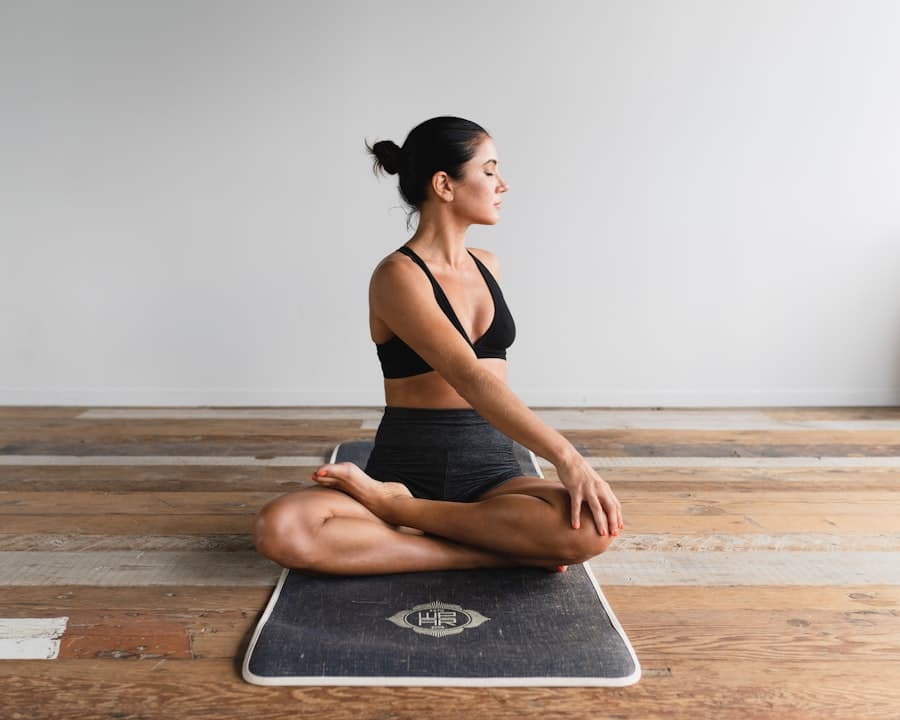
This ancient discipline combines physical postures, breath control, and meditation to foster a sense of balance and calm. Engaging in regular yoga sessions can help you connect with your body and mind, allowing you to release tension and cultivate a more peaceful state of being. Whether you choose to attend a class or follow along with online tutorials, the benefits of yoga can be profound in alleviating anxiety and promoting overall well-being.
Lifestyle Changes for Managing Anxiety

Making lifestyle changes can significantly impact your ability to manage anxiety effectively. One of the most important adjustments you can make is to prioritize regular physical activity. Exercise releases endorphins, which are natural mood lifters that can help combat feelings of anxiety.
You don’t need to engage in intense workouts; even a daily walk in nature or a gentle bike ride can work wonders for your mental health. By incorporating movement into your routine, you create an opportunity to clear your mind and reduce stress levels. In addition to physical activity, paying attention to your diet can also play a crucial role in managing anxiety.
You may want to consider reducing your intake of caffeine and sugar, as these substances can exacerbate feelings of nervousness and agitation. Instead, focus on nourishing your body with whole foods rich in vitamins and minerals. Foods such as leafy greens, nuts, seeds, and fatty fish are known to support brain health and may help stabilize your mood.
By making conscious choices about what you eat, you empower yourself to take control of your mental well-being.
Therapy and Counseling Options
Therapy and counseling are invaluable resources for anyone struggling with anxiety. Engaging with a mental health professional provides you with a safe space to explore your thoughts and feelings without judgment. Cognitive-behavioral therapy (CBT) is one effective approach that focuses on identifying negative thought patterns and replacing them with healthier ones.
Through this process, you can learn practical skills to manage anxiety triggers and develop coping strategies tailored to your unique experiences. In addition to CBT, there are various other therapeutic modalities that may resonate with you. For instance, mindfulness-based therapy emphasizes the importance of being present in the moment and accepting your thoughts without judgment.
This approach can help you cultivate a greater sense of awareness and reduce the power that anxious thoughts hold over you. By exploring different therapy options, you can find the right fit that aligns with your needs and preferences.
Meditation and Mindfulness Practices
Meditation and mindfulness practices have gained popularity as effective tools for managing anxiety. These techniques encourage you to focus on the present moment, allowing you to detach from racing thoughts and worries about the future. You might start with just a few minutes of meditation each day, gradually increasing the duration as you become more comfortable with the practice.
Guided meditations are widely available through apps or online platforms, making it easy for you to find sessions that suit your preferences. Incorporating mindfulness into your daily life can also be beneficial. This could involve simple practices such as mindful eating—paying attention to the flavors and textures of your food—or taking mindful walks where you focus on the sensations around you.
By integrating mindfulness into various aspects of your life, you create opportunities to ground yourself in the present moment, reducing anxiety and enhancing your overall sense of well-being.
Herbal Supplements and Adaptogens
Herbal supplements and adaptogens are gaining recognition for their potential to support mental health and alleviate anxiety symptoms. Adaptogens are natural substances that help the body adapt to stressors and promote balance within the system. Ashwagandha is one such adaptogen that has been shown to reduce stress levels and improve overall mood.
You might consider incorporating this herb into your routine through capsules or powders added to smoothies or teas. Another herbal option is valerian root, which is often used as a natural remedy for insomnia but can also help calm anxious thoughts. Chamomile, as mentioned earlier, is another excellent choice for promoting relaxation.
Before trying any new supplements, it’s essential to consult with a healthcare professional to ensure they are safe for you and won’t interact with any medications you may be taking.
Breathing Techniques for Relaxation
Breathing techniques are powerful tools that can help you manage anxiety in the moment. When you feel overwhelmed or anxious, your breath often becomes shallow and rapid. By consciously slowing down your breathing, you can activate your body’s relaxation response.
One effective technique is the 4-7-8 method: inhale deeply through your nose for four counts, hold your breath for seven counts, and exhale slowly through your mouth for eight counts. Practicing this technique regularly can help train your body to respond more calmly during stressful situations. Another technique worth exploring is diaphragmatic breathing, which involves engaging your diaphragm fully while breathing.
This method encourages deeper breaths that can help lower heart rate and promote relaxation. You might find it helpful to practice these techniques during moments of quiet reflection or even incorporate them into your daily routine as a preventive measure against anxiety.
Creating a Supportive Environment for Mental Well-being
Creating a supportive environment is essential for fostering mental well-being and managing anxiety effectively. Start by evaluating your physical space—are there elements that contribute positively to your mood? Consider decluttering your surroundings or adding calming elements such as plants or soothing colors that promote tranquility.
A well-organized space can help reduce feelings of chaos and overwhelm. Additionally, surrounding yourself with supportive individuals is crucial for maintaining mental health. Reach out to friends or family members who understand what you’re going through and can offer encouragement when needed.
Joining support groups or online communities focused on mental health can also provide a sense of belonging and connection with others who share similar experiences. By cultivating a supportive environment both physically and socially, you empower yourself to navigate anxiety more effectively while fostering resilience in the face of challenges.
If you are looking for natural alternatives to Xanax to help calm your anxiety, you may want to consider incorporating zinc supplements into your routine. Zinc has been shown to have a positive impact on mental health and can help reduce symptoms of anxiety. To learn more about the benefits of zinc for anxiety relief, check out this informative article on healthnutritionsupplements.net.
FAQs
What are some alternatives to Xanax for managing anxiety?
Some alternatives to Xanax for managing anxiety include therapy, relaxation techniques such as deep breathing and meditation, exercise, and natural supplements like lavender and chamomile.
What are the potential side effects of Xanax?
Potential side effects of Xanax include drowsiness, dizziness, headache, nausea, constipation, and difficulty concentrating. Long-term use can lead to dependence and withdrawal symptoms.
Are there natural supplements that can help with anxiety?
Yes, natural supplements such as lavender, chamomile, and valerian root have been shown to have calming effects and can help with anxiety. However, it’s important to consult with a healthcare professional before taking any supplements.
How effective is therapy in managing anxiety?
Therapy, particularly cognitive-behavioral therapy (CBT), has been shown to be highly effective in managing anxiety. It helps individuals identify and change negative thought patterns and behaviors that contribute to their anxiety.
What are some lifestyle changes that can help with anxiety?
Lifestyle changes such as regular exercise, adequate sleep, a healthy diet, and stress management techniques can all help reduce anxiety. Avoiding caffeine and alcohol can also be beneficial.