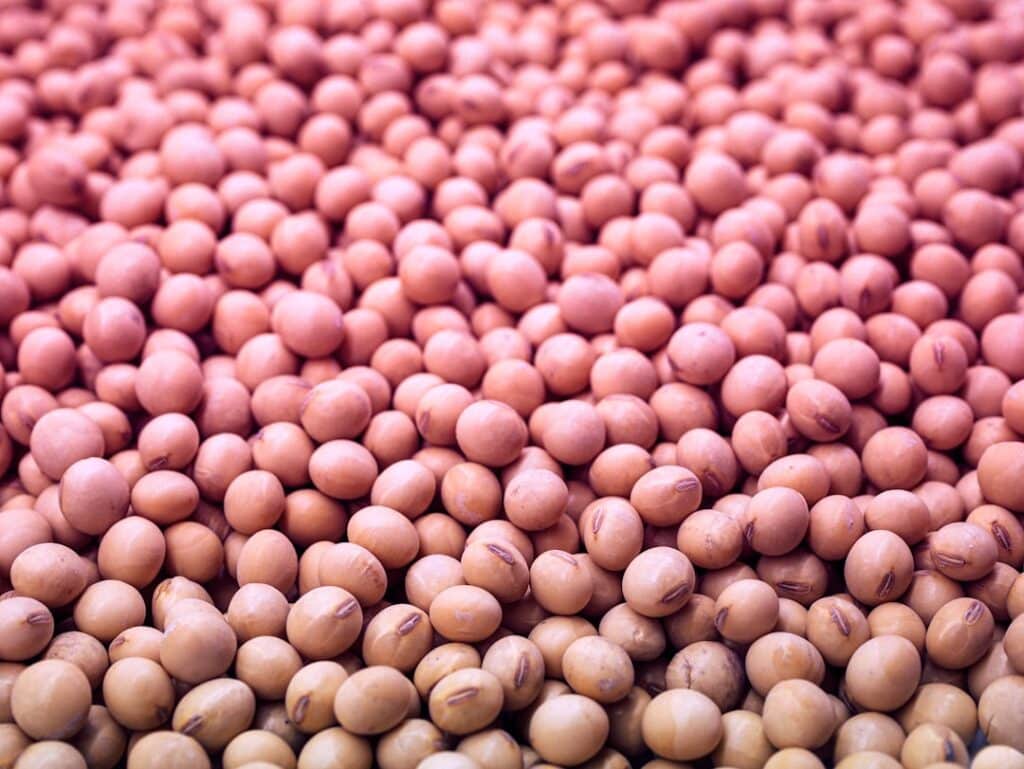
Isoflavones are a class of phytoestrogens, which are plant-derived compounds that mimic estrogen in the body. Found predominantly in soy products, such as tofu, tempeh, and soy milk, isoflavones have garnered attention for their potential health benefits. As you explore the world of nutrition, understanding isoflavones can be crucial, especially if you are looking to enhance your overall well-being.
These compounds are known for their antioxidant properties, which help combat oxidative stress and inflammation in the body. By neutralizing free radicals, isoflavones may contribute to a lower risk of chronic diseases. In addition to their antioxidant effects, isoflavones have been linked to various health benefits, including improved heart health, better bone density, and relief from menopausal symptoms.
Research suggests that these compounds can positively influence hormonal balance, making them particularly beneficial for women during and after menopause. As you delve deeper into the science of nutrition, you may find that incorporating isoflavones into your diet can be a proactive step toward maintaining your health and vitality.
Key Takeaways
- Isoflavones are plant-based compounds with potential health benefits, including reducing the risk of certain chronic diseases.
- Isoflavone supplements may help improve menopausal symptoms such as hot flashes and night sweats.
- Research suggests that isoflavones may play a role in promoting heart health by improving cholesterol levels and reducing the risk of heart disease.
- Isoflavones can contribute to bone health by potentially reducing the risk of osteoporosis and improving bone density.
- Some studies have shown that isoflavones may have potential anti-cancer effects, particularly in hormone-related cancers such as breast and prostate cancer.
How Isoflavones Supplements can Improve Menopausal Symptoms
Menopause can bring about a host of uncomfortable symptoms, including hot flashes, night sweats, and mood swings. For many women, these changes can be distressing and disruptive to daily life. Isoflavones supplements have emerged as a natural alternative to hormone replacement therapy (HRT) for alleviating these symptoms.
By mimicking estrogen in the body, isoflavones can help stabilize hormonal fluctuations that occur during menopause. This can lead to a reduction in the frequency and intensity of hot flashes, allowing you to regain a sense of control over your body. Moreover, studies have shown that isoflavones may also improve mood and cognitive function during menopause.
As you navigate this transitional phase, you might find that incorporating isoflavones into your routine not only eases physical symptoms but also enhances your emotional well-being. Many women report feeling more balanced and less irritable after using isoflavone supplements. This holistic approach to managing menopausal symptoms can empower you to embrace this new chapter in life with confidence and grace.
The Role of Isoflavones in Heart Health
Heart health is a critical aspect of overall wellness, and isoflavones may play a significant role in promoting cardiovascular health. Research indicates that these compounds can help lower cholesterol levels and improve blood vessel function. By enhancing endothelial function, isoflavones may contribute to better circulation and reduced risk of heart disease.
As you consider your heart health, it’s essential to recognize the potential benefits of incorporating isoflavones into your diet or supplement regimen. In addition to lowering cholesterol, isoflavones have been associated with reduced blood pressure levels. This dual action makes them a valuable ally in maintaining cardiovascular health.
If you are concerned about heart disease or simply want to support your cardiovascular system, adding isoflavones to your lifestyle could be a wise choice. Whether through dietary sources or supplements, these compounds may help you achieve a healthier heart and improve your overall quality of life.
Isoflavones and Bone Health: What You Need to Know
Bone health is another area where isoflavones have shown promise. As you age, maintaining bone density becomes increasingly important to prevent conditions like osteoporosis. Isoflavones may help support bone health by promoting the activity of osteoblasts, the cells responsible for bone formation.
This can be particularly beneficial for postmenopausal women, who experience a decline in estrogen levels that can lead to accelerated bone loss. Incorporating isoflavones into your diet may also enhance calcium absorption, further supporting bone strength. If you are looking for ways to bolster your skeletal system as you age, consider adding foods rich in isoflavones or taking supplements designed to promote bone health.
By prioritizing isoflavones in your nutritional strategy, you can take proactive steps toward maintaining strong bones and reducing the risk of fractures later in life.
Potential Anti-Cancer Effects of Isoflavones
The potential anti-cancer effects of isoflavones have sparked considerable interest among researchers and health enthusiasts alike. Some studies suggest that these compounds may help inhibit the growth of certain types of cancer cells, particularly breast and prostate cancer. Isoflavones are thought to exert their effects by modulating hormone levels and influencing cell signaling pathways involved in cancer development.
As you explore the landscape of cancer prevention, understanding the role of isoflavones could be an essential part of your strategy. While more research is needed to fully understand the mechanisms at play, the preliminary findings are promising. If you are concerned about cancer risk or simply want to adopt a more preventive approach to your health, incorporating isoflavone-rich foods into your diet may be beneficial.
Foods like soybeans, lentils, and chickpeas not only provide isoflavones but also offer a wealth of other nutrients that contribute to overall health. By making informed dietary choices, you can empower yourself in the fight against cancer.
Choosing the Right Isoflavones Supplement for You

When it comes to selecting an isoflavone supplement, it’s essential to consider several factors to ensure you choose the right product for your needs. First and foremost, look for supplements that contain standardized extracts of soy isoflavones, as these will provide consistent dosages and potency. Reading labels carefully can help you identify reputable brands that prioritize quality and transparency in their formulations.
Additionally, consider your specific health goals when choosing an isoflavone supplement. Are you looking to alleviate menopausal symptoms, support heart health, or enhance bone density? Different formulations may target different concerns, so aligning your choice with your personal health objectives will maximize the benefits you receive from the supplement.
Consulting with a healthcare professional can also provide valuable insights tailored to your individual needs.
Risks and Side Effects of Isoflavones Supplements
While isoflavone supplements offer numerous potential benefits, it’s important to be aware of possible risks and side effects associated with their use. Some individuals may experience gastrointestinal discomfort, such as bloating or gas when taking these supplements. Additionally, those with soy allergies should avoid isoflavone products altogether due to the risk of allergic reactions.
Another consideration is the potential interaction between isoflavones and certain medications. If you are taking medications for hormone-sensitive conditions or blood thinners, it’s crucial to consult with your healthcare provider before starting an isoflavone supplement regimen. By being informed about potential risks and side effects, you can make educated decisions about incorporating isoflavones into your health routine.
Tips for Incorporating Isoflavones into a Healthy Diet
Incorporating isoflavones into your diet doesn’t have to be complicated or overwhelming. Start by adding more soy-based foods to your meals; options like edamame, tempeh, and miso are delicious ways to boost your intake of these beneficial compounds. You might also consider swapping out dairy milk for soy milk in smoothies or cereals for an easy transition.
Additionally, explore other sources of isoflavones beyond soy products. Legumes such as lentils and chickpeas also contain these compounds and can be easily added to salads or soups for extra nutrition. By diversifying your sources of isoflavones, you not only enhance your diet but also enjoy a variety of flavors and textures that keep meals interesting.
Embracing these dietary changes can lead to improved health outcomes while making mealtime enjoyable. In conclusion, understanding the role of isoflavones in your diet can empower you to make informed choices about your health. From alleviating menopausal symptoms to supporting heart and bone health, these compounds offer a range of benefits worth exploring.
By choosing the right supplements and incorporating isoflavone-rich foods into your meals, you can take proactive steps toward achieving optimal wellness.
If you are interested in supplements for overall health and beauty, you may also want to check out this article on supplements for skin, hair, and nail health. This article provides valuable information on how certain supplements can improve the health and appearance of your skin, hair, and nails. It is a great resource for those looking to enhance their beauty from the inside out.
FAQs
What are isoflavones?
Isoflavones are a type of phytoestrogen, which are naturally occurring compounds found in plants. They are known for their potential health benefits, particularly in supporting hormonal balance.
What are the potential health benefits of isoflavones?
Isoflavones have been studied for their potential to support menopausal symptoms, bone health, heart health, and overall hormonal balance. They are also known for their antioxidant properties.
What are some food sources of isoflavones?
Soybeans and soy products, such as tofu and soy milk, are the most well-known sources of isoflavones. Other legumes, such as chickpeas and lentils, also contain small amounts of isoflavones.
What is an isoflavones health supplement?
An isoflavones health supplement is a dietary supplement that contains concentrated amounts of isoflavones, typically derived from soy or other plant sources. These supplements are often used to support specific health concerns related to hormonal balance and menopause.
Are there any potential side effects of isoflavones supplements?
Some individuals may experience mild digestive discomfort when taking isoflavones supplements. Additionally, individuals with certain hormone-sensitive conditions should consult with a healthcare professional before taking isoflavones supplements.
How should I choose the best isoflavones health supplement?
When choosing an isoflavones health supplement, look for products that are standardized to contain specific amounts of isoflavones, such as genistein and daidzein. It’s also important to choose a reputable brand that undergoes third-party testing for quality and purity. Always consult with a healthcare professional before starting any new supplement regimen.