
When considering Zoloft, it’s essential to understand that while it can be effective for many, it also comes with a range of potential risks and side effects. As a selective serotonin reuptake inhibitor (SSRI), Zoloft works by increasing serotonin levels in the brain, which can help alleviate symptoms of anxiety and depression. However, this alteration in brain chemistry can lead to unwanted side effects.
You might experience nausea, insomnia, or sexual dysfunction, which can be distressing and may even exacerbate your anxiety rather than relieve it. Moreover, some individuals report experiencing emotional blunting or a sense of detachment from their feelings while on Zoloft. This can create a paradox where you may feel less anxious but also less engaged with life.
In rare cases, Zoloft has been linked to more severe side effects, such as increased suicidal thoughts, particularly in younger individuals. It’s crucial to weigh these risks against the potential benefits and to have open discussions with your healthcare provider about your concerns and experiences while on the medication.
Key Takeaways
- Zoloft comes with potential risks and side effects that should be understood before use.
- Natural alternatives to Zoloft can provide safe and effective relief for anxiety.
- Lifestyle changes such as diet, exercise, and stress reduction can help manage anxiety.
- Herbal remedies offer a natural approach to anxiety relief with the power of Mother Nature.
- Mind-body therapies like meditation, yoga, and acupuncture can be effective for managing anxiety.
Natural Alternatives to Zoloft: Safe and Effective Anxiety Relief
Natural Supplements for Anxiety Relief
Certain supplements have gained popularity for their potential to alleviate anxiety symptoms. Omega-3 fatty acids, found in fish oil, have been shown to support brain health and may help reduce anxiety levels. Similarly, magnesium is known for its calming properties and can be found in foods like leafy greens, nuts, and whole grains.
A Holistic Approach to Managing Anxiety
By incorporating these natural alternatives into your routine, you may find a more holistic approach to managing your anxiety that aligns better with your lifestyle and values.
Lifestyle Changes for Managing Anxiety: Diet, Exercise, and Stress Reduction
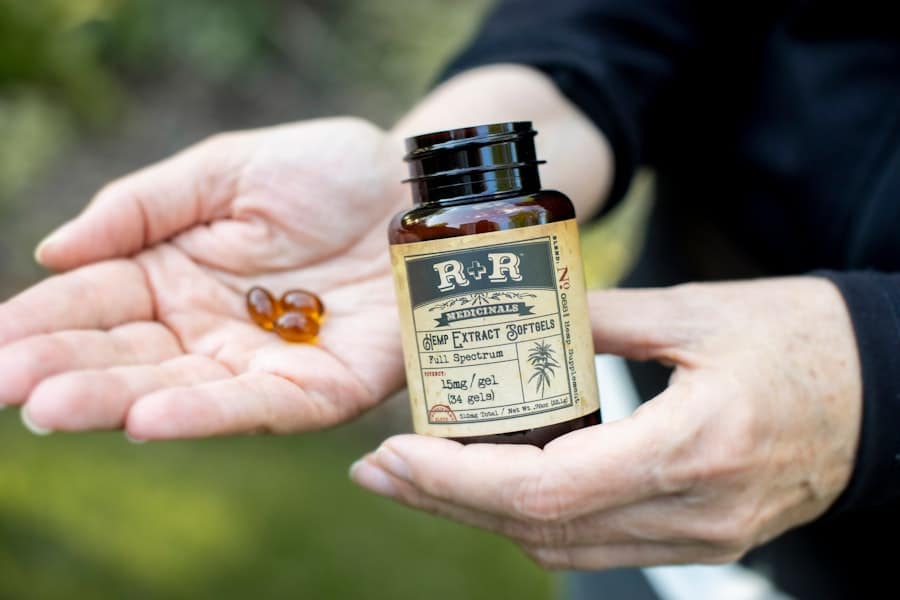
Your daily habits play a significant role in how you manage anxiety. By making conscious lifestyle changes, you can create a supportive environment for your mental health. A balanced diet rich in whole foods can have a profound impact on your mood and energy levels.
Foods high in antioxidants, such as berries and leafy greens, can combat oxidative stress in the body, while complex carbohydrates can help stabilize blood sugar levels, which is crucial for maintaining emotional balance. Exercise is another powerful tool in your anxiety management arsenal. Engaging in regular physical activity releases endorphins, which are natural mood lifters.
Whether it’s a brisk walk, a dance class, or a yoga session, finding an activity you enjoy can make it easier to incorporate exercise into your routine. Additionally, practicing stress reduction techniques such as journaling or spending time in nature can help you process your emotions and reduce anxiety levels over time.
Herbal Remedies for Anxiety: Exploring the Power of Mother Nature
Herbal remedies have been used for centuries to promote mental well-being and alleviate anxiety symptoms. If you’re looking for natural options to complement your anxiety management plan, consider exploring herbs like chamomile, valerian root, and passionflower. Chamomile tea is often praised for its calming effects and can be a soothing ritual before bedtime.
Valerian root is another popular choice that may help improve sleep quality and reduce anxiety levels. Passionflower has also gained attention for its potential to ease anxiety without the sedative effects associated with some other herbs. You might find these herbal remedies available in various forms, including teas, tinctures, or capsules.
However, it’s essential to consult with a healthcare professional before starting any new herbal regimen to ensure safety and effectiveness based on your individual health needs.
Mind-Body Therapies for Anxiety: Meditation, Yoga, and Acupuncture
Mind-body therapies offer a unique approach to managing anxiety by focusing on the connection between your mental state and physical well-being. Meditation is one of the most accessible practices you can incorporate into your daily routine. By dedicating just a few minutes each day to mindfulness meditation or guided imagery, you can cultivate a greater sense of awareness and control over your thoughts and emotions.
Yoga is another powerful mind-body practice that combines physical movement with breath control and meditation. The combination of these elements can help reduce stress hormones in the body while promoting relaxation and mental clarity. Additionally, acupuncture has been used for centuries in traditional Chinese medicine to balance energy flow within the body.
Many individuals report experiencing reduced anxiety symptoms after receiving acupuncture treatments, making it a valuable option to consider as part of your holistic approach to mental health.
Cognitive Behavioral Therapy (CBT): A Proven Method for Managing Anxiety
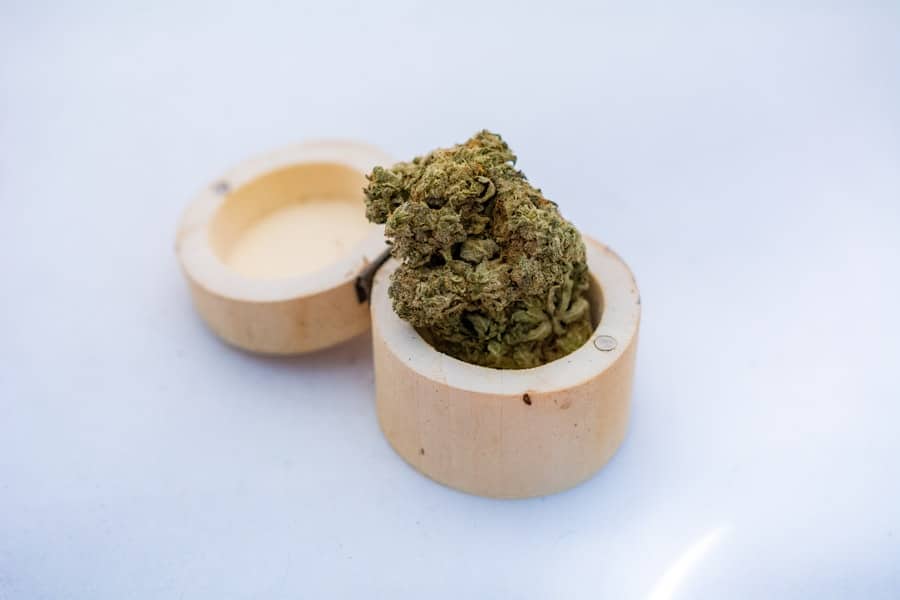
Cognitive Behavioral Therapy (CBT) is one of the most effective therapeutic approaches for managing anxiety disorders. This evidence-based treatment focuses on identifying and challenging negative thought patterns that contribute to your anxiety. Through CBT, you learn practical skills to reframe your thoughts and develop healthier coping mechanisms.
You might find that working with a trained therapist can provide you with personalized strategies tailored to your specific experiences and triggers. CBT often involves exposure therapy as well, where you gradually confront situations that cause anxiety in a controlled manner. This process helps desensitize you to those triggers over time, empowering you to face them with greater confidence.
The Role of Prescription Medications in Anxiety Treatment: Exploring the Options
While natural remedies and lifestyle changes can be effective for many individuals, prescription medications still play a crucial role in treating anxiety disorders for others. Beyond Zoloft, there are various classes of medications available that may suit your needs better. For instance, benzodiazepines are often prescribed for short-term relief of acute anxiety symptoms but come with their own set of risks, including dependency.
Other SSRIs or serotonin-norepinephrine reuptake inhibitors (SNRIs) may also be options worth discussing with your healthcare provider. Each medication has its own profile of potential benefits and side effects, so it’s essential to have an open dialogue about what might work best for you based on your medical history and personal preferences.
Finding the Right Anxiety Treatment for You: Personalized Approaches and Considerations
Ultimately, finding the right treatment for anxiety is a highly individualized process that requires careful consideration of various factors. Your unique experiences, preferences, and lifestyle will all play a role in determining the most effective approach for you. It’s essential to take the time to explore different options—whether they be natural remedies, therapy modalities like CBT or mind-body practices—and assess how they resonate with you.
Don’t hesitate to seek support from healthcare professionals who can guide you through this journey. They can help you weigh the pros and cons of different treatments while considering any underlying health conditions or medications you may already be taking. Remember that managing anxiety is often not about finding a one-size-fits-all solution but rather about discovering what works best for you through trial and exploration.
If you are interested in exploring natural alternatives to traditional medications like Zoloft, you may also want to check out this article on the best quality supplements. This article discusses the importance of choosing high-quality supplements to support your overall health and well-being. By incorporating these supplements into your routine, you may be able to find relief from anxiety and other symptoms without the potential side effects of prescription medications.
FAQs
What is Zoloft?
Zoloft is a prescription medication used to treat depression, obsessive-compulsive disorder, panic disorder, and anxiety disorders.
What are the potential side effects of Zoloft?
Common side effects of Zoloft include nausea, dizziness, drowsiness, dry mouth, loss of appetite, and sweating. More serious side effects can include suicidal thoughts, serotonin syndrome, and withdrawal symptoms.
Are there safe and effective alternatives to Zoloft for anxiety?
Yes, there are several alternatives to Zoloft for anxiety, including therapy, lifestyle changes, and other medications such as selective serotonin reuptake inhibitors (SSRIs) or serotonin-norepinephrine reuptake inhibitors (SNRIs).
What are some lifestyle changes that can help with anxiety?
Lifestyle changes that can help with anxiety include regular exercise, a healthy diet, adequate sleep, stress management techniques, and avoiding alcohol and caffeine.
Is therapy an effective alternative to Zoloft for anxiety?
Yes, therapy, such as cognitive-behavioral therapy (CBT) or mindfulness-based therapy, can be an effective alternative to medication for treating anxiety.
What are some other medications that can be used as alternatives to Zoloft for anxiety?
Other medications that can be used as alternatives to Zoloft for anxiety include SSRIs such as Prozac or Celexa, and SNRIs such as Effexor or Cymbalta. It is important to consult with a healthcare professional to determine the best treatment option.