Glutathione is a powerful antioxidant that plays a crucial role in maintaining your overall health. It is a tripeptide composed of three amino acids: cysteine, glutamine, and glycine. This unique structure allows glutathione to perform various functions in your body, including detoxification, immune system support, and the protection of cells from oxidative stress.
As you age or face environmental stressors, your body’s natural production of glutathione may decline, making it essential to understand its significance and how to maintain optimal levels. In addition to its antioxidant properties, glutathione is involved in numerous biochemical processes. It helps in the synthesis of proteins and the regulation of cellular functions.
Furthermore, it plays a vital role in the metabolism of fats and carbohydrates, ensuring that your body operates efficiently. By understanding what glutathione is and its multifaceted roles, you can appreciate why maintaining adequate levels is essential for your health and well-being.
Key Takeaways
- Glutathione is a powerful antioxidant that is naturally produced in the body and plays a crucial role in protecting cells from damage and supporting the immune system.
- Glutathione is important for detoxification, immune function, and maintaining cellular health, making it essential for overall well-being.
- Natural food sources of glutathione include fruits such as avocado, watermelon, and oranges, as well as vegetables like spinach, asparagus, and okra.
- Fruits high in glutathione include strawberries, peaches, and bananas, which can help boost the body’s antioxidant levels.
- Vegetables rich in glutathione include broccoli, Brussels sprouts, and kale, which can be incorporated into a balanced diet to support glutathione production.
Importance of Glutathione in the Body
The importance of glutathione in your body cannot be overstated. As one of the most potent antioxidants, it helps neutralize free radicals that can cause cellular damage. This protective function is vital for preventing chronic diseases such as cancer, heart disease, and neurodegenerative disorders.
By combating oxidative stress, glutathione supports your body’s ability to repair itself and maintain optimal function. Moreover, glutathione plays a significant role in detoxification processes. It binds to harmful substances, making them easier for your body to eliminate.
This detoxifying action is particularly important for your liver, which is responsible for filtering toxins from your bloodstream. When glutathione levels are sufficient, your liver can function more effectively, promoting overall health and vitality. Thus, ensuring adequate glutathione levels is essential for both disease prevention and the maintenance of good health.
Natural Food Sources of Glutathione
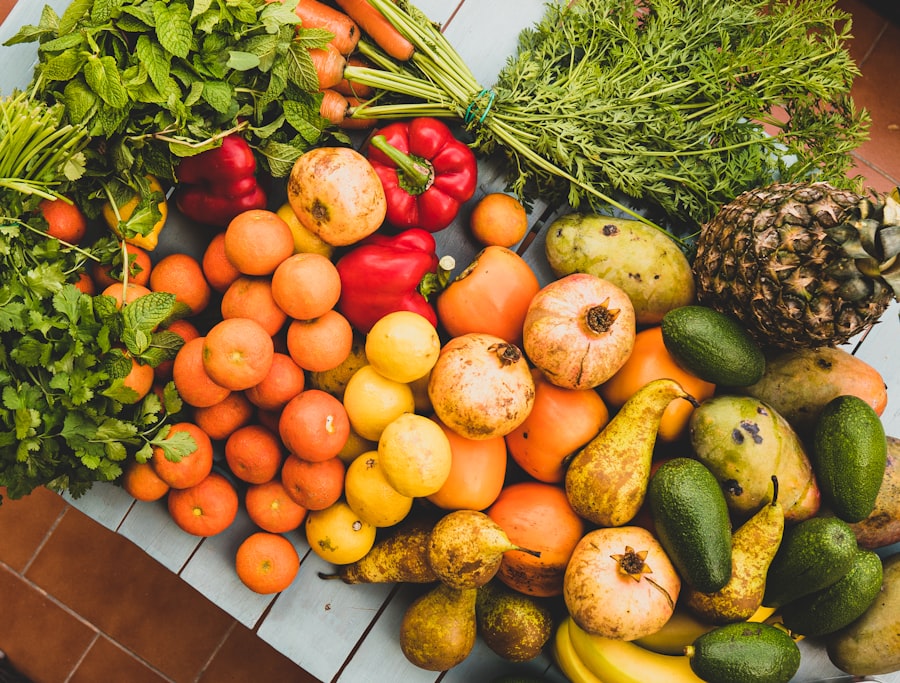
To boost your glutathione levels naturally, incorporating specific foods into your diet can be highly beneficial. Many foods contain precursors that help your body produce more glutathione or are rich in the antioxidant itself. By focusing on a balanced diet that includes these foods, you can support your body’s natural defenses and enhance your overall health.
Some of the most effective natural sources of glutathione include fruits, vegetables, nuts, and whole grains. These foods not only provide essential nutrients but also promote the synthesis of glutathione within your body. By being mindful of your dietary choices and including a variety of these foods, you can help ensure that your body has the necessary building blocks to maintain optimal glutathione levels.
Fruits High in Glutathione
Fruits are an excellent source of glutathione and can easily be incorporated into your daily diet. One standout fruit is avocado, which is not only creamy and delicious but also packed with healthy fats and antioxidants. Avocados contain significant amounts of glutathione, making them a fantastic choice for boosting your levels.
You can enjoy them in salads, smoothies, or simply spread on whole-grain toast. Another fruit that deserves mention is watermelon. This refreshing summer fruit is not only hydrating but also contains a good amount of glutathione.
Watermelon is rich in vitamins A and C, which work synergistically with glutathione to enhance its antioxidant effects. Including watermelon in your diet can be as simple as enjoying it fresh or blending it into a smoothie for a nutritious treat.
Vegetables Rich in Glutathione
When it comes to vegetables high in glutathione, cruciferous vegetables take center stage. Broccoli, kale, and Brussels sprouts are all excellent choices that can help elevate your glutathione levels. These vegetables are not only nutrient-dense but also contain compounds that promote the production of glutathione in your body.
Incorporating them into your meals can be as easy as steaming them lightly or adding them to stir-fries. Spinach is another vegetable that boasts high levels of glutathione. This leafy green is versatile and can be added to salads, smoothies, or cooked dishes.
Its rich nutrient profile includes vitamins A, C, and K, along with iron and magnesium, making it a powerhouse for overall health. By including spinach and other glutathione-rich vegetables in your diet, you can support your body’s antioxidant defenses while enjoying delicious meals.
Protein Sources of Glutathione

Protein sources also play a vital role in boosting your glutathione levels due to their amino acid content. Foods rich in sulfur-containing amino acids are particularly beneficial for glutathione production. Eggs are an excellent source of these amino acids and can easily be incorporated into various meals.
Whether you prefer them scrambled, poached, or hard-boiled, eggs provide not only protein but also essential nutrients that support overall health. Another great protein source is lean meats such as chicken and turkey. These meats are rich in cysteine, one of the key amino acids needed for glutathione synthesis.
Including lean meats in your diet can help ensure that you are getting enough of this important nutrient while also providing you with energy and supporting muscle health. For those who prefer plant-based options, legumes like lentils and chickpeas are excellent alternatives that offer protein along with other essential nutrients.
Other Foods Containing Glutathione
In addition to fruits and vegetables, several other foods contain glutathione or its precursors. Nuts and seeds are particularly noteworthy; walnuts and sunflower seeds are rich in healthy fats and antioxidants that can help boost your levels. Snacking on these nutrient-dense options can provide you with sustained energy while also supporting your body’s antioxidant defenses.
Whole grains such as brown rice and quinoa are also beneficial for increasing glutathione levels. These grains provide essential nutrients and fiber that contribute to overall health while supporting the production of this vital antioxidant. By incorporating a variety of whole grains into your meals, you can enjoy their health benefits while promoting optimal glutathione levels.
Tips for Increasing Glutathione Levels through Diet
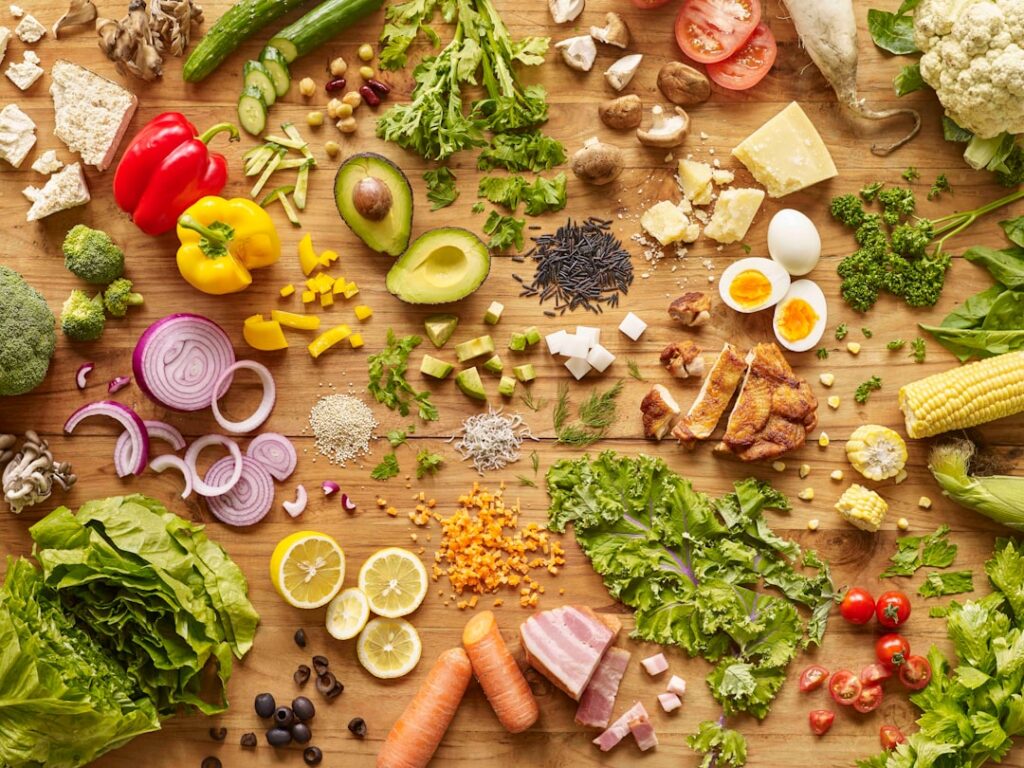
To effectively increase your glutathione levels through diet, consider adopting a few practical strategies. First and foremost, focus on consuming a diverse range of fruits and vegetables daily. Aim for a colorful plate filled with various produce items to ensure you receive a wide array of nutrients that support glutathione production.
Additionally, consider incorporating foods rich in sulfur-containing amino acids into your meals regularly. This includes not only protein sources like eggs and lean meats but also legumes and nuts. By diversifying your protein sources, you can enhance your body’s ability to synthesize glutathione effectively.
Lastly, stay hydrated by drinking plenty of water throughout the day. Proper hydration supports overall bodily functions and aids in detoxification processes where glutathione plays a crucial role. By following these tips and being mindful of your dietary choices, you can naturally boost your glutathione levels and promote better health for years to come.
If you are interested in learning more about supplements and their benefits, you may want to check out this article on top-rated supplements in different categories. This article provides valuable information on various supplements that can help improve your overall health and well-being. Additionally, if you are considering taking supplements, it is important to consider certain factors before doing so. You can find helpful tips and advice in this article on factors to consider before taking supplements. Lastly, if you are specifically looking for supplements to support joint and bone health, be sure to read this article on supplements for joint and bone health.
FAQs
What is glutathione?
Glutathione is a powerful antioxidant that is naturally produced in the body. It plays a crucial role in protecting cells from oxidative damage and supporting the immune system.
Why is glutathione important for health?
Glutathione is important for health because it helps to neutralize free radicals, detoxify the body, and support the immune system. It also plays a role in maintaining the health of various organs and tissues.
Which foods contain glutathione?
Foods that are rich in glutathione include fruits and vegetables such as avocados, spinach, asparagus, okra, and squash. Additionally, foods high in sulfur, such as garlic, onions, and cruciferous vegetables, can help support the body’s production of glutathione.
Can glutathione be taken as a supplement?
Yes, glutathione supplements are available and can be taken to support the body’s natural production of glutathione. However, it’s important to consult with a healthcare professional before starting any new supplement regimen.
What are the benefits of consuming glutathione-rich foods?
Consuming glutathione-rich foods can help support the body’s natural production of glutathione, which in turn can help protect cells from oxidative damage, support the immune system, and promote overall health and well-being.