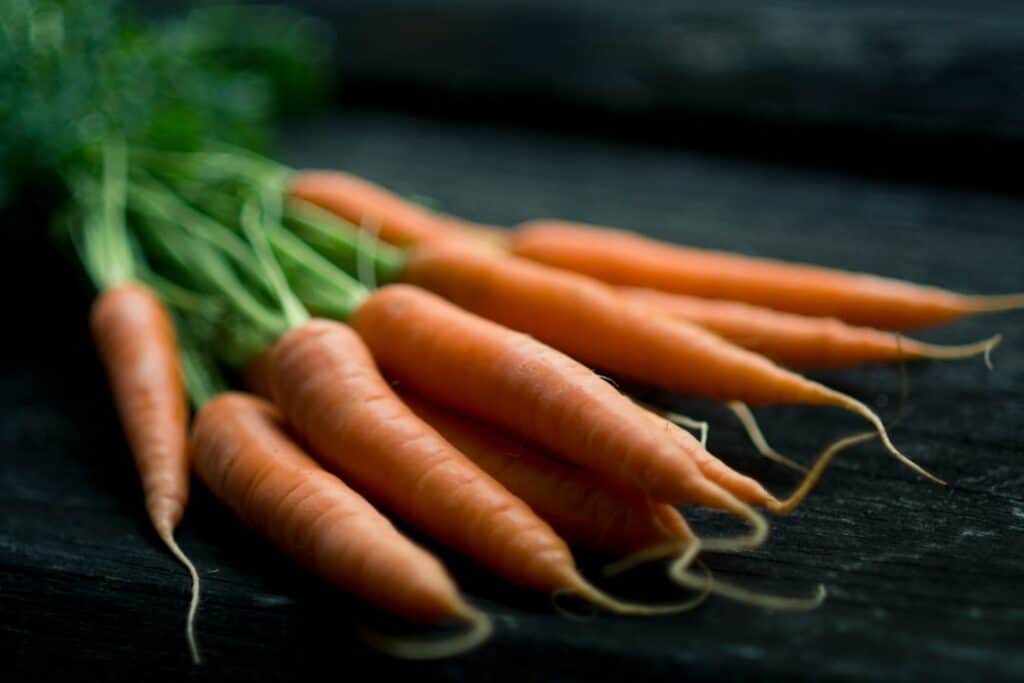
Vitamin Retinol, a form of Vitamin A, is a fat-soluble vitamin that plays a crucial role in various bodily functions. It is essential for maintaining healthy vision, supporting immune function, and promoting skin health. Retinol is often recognized for its significant impact on cellular growth and differentiation, making it a vital nutrient for overall well-being.
As you delve deeper into the world of vitamins, you will find that retinol is not just another nutrient; it is a powerhouse that influences many aspects of your health. Retinol is found in animal products and is converted from beta-carotene, which is present in plant-based foods. This conversion process is essential because it allows your body to utilize the vitamin effectively.
When you consume foods rich in retinol or beta-carotene, your body can transform these compounds into the active forms it needs. Understanding the nature of retinol and its various forms can help you appreciate its importance in your diet and health regimen.
Key Takeaways
- Vitamin Retinol is a form of vitamin A that is essential for vision, immune function, and skin health.
- Benefits of Vitamin Retinol include improved vision, immune system support, and promotion of healthy skin and hair.
- Food sources of Vitamin Retinol include liver, eggs, dairy products, and fortified foods.
- Supplements for Vitamin Retinol can be taken in the form of capsules, tablets, or liquid drops, but should be used with caution due to the risk of toxicity.
- Topical sources of Vitamin Retinol can be found in skincare products such as retinol creams and serums, which can help improve skin texture and reduce the appearance of wrinkles.
- Best practices for absorbing Vitamin Retinol include consuming it with dietary fat to enhance absorption and avoiding excessive intake to prevent toxicity.
- Risks and side effects of Vitamin Retinol include birth defects in pregnant women, liver damage, and skin irritation when used topically.
- Conclusion: The best source of Vitamin Retinol is through a balanced diet that includes a variety of foods rich in this essential nutrient.
Benefits of Vitamin Retinol
Enhancing Skin Health
One of the most well-known advantages of retinol is its ability to enhance skin health. Retinol promotes cell turnover, which helps to reduce the appearance of fine lines, wrinkles, and age spots. By encouraging the production of new skin cells, retinol can give your skin a more youthful and radiant appearance. If you are looking to improve your skin’s texture and tone, incorporating retinol into your skincare routine may be a game-changer.
Supporting Eye Health
In addition to its cosmetic benefits, retinol also plays a significant role in eye health. It is a critical component of rhodopsin, a pigment found in the retina that is essential for low-light vision. A deficiency in retinol can lead to night blindness and other vision-related issues. By ensuring you have adequate levels of this vitamin, you can support your eye health and maintain optimal vision as you age.
Contributing to Overall Health
The benefits of retinol extend beyond aesthetics; they encompass vital functions that contribute to your overall health.
Food Sources of Vitamin Retinol
To harness the benefits of Vitamin Retinol, it is essential to include food sources rich in this nutrient in your diet. Animal products are the primary sources of retinol, with liver being one of the richest sources available. Consuming liver from beef, chicken, or fish can provide you with a concentrated dose of this vital vitamin.
If you enjoy organ meats, incorporating them into your meals can significantly boost your retinol intake. In addition to liver, other animal-based foods such as dairy products and eggs are excellent sources of retinol. Whole milk, cheese, and butter contain varying amounts of this vitamin, making them valuable additions to your diet.
Eggs, particularly the yolk, are another great source that can easily be included in breakfast or other meals. If you are looking for plant-based alternatives, consider foods high in beta-carotene, such as carrots, sweet potatoes, and leafy greens. While these foods do not contain retinol directly, they can be converted into the active form by your body.
Supplements for Vitamin Retinol
If you find it challenging to obtain sufficient Vitamin Retinol through diet alone, supplements can be an effective alternative. Retinol supplements are available in various forms, including capsules and soft gels. These supplements can provide a concentrated dose of retinol, making it easier for you to meet your nutritional needs.
However, it is essential to approach supplementation with caution and consult with a healthcare professional before starting any new regimen. When considering retinol supplements, pay attention to the dosage and form of the vitamin. Some supplements may contain preformed Vitamin A (retinol), while others may provide beta-carotene as a precursor.
Depending on your individual needs and dietary restrictions, one form may be more suitable than the other. Additionally, be mindful of the recommended daily allowance (RDA) for Vitamin A to avoid potential toxicity from excessive intake.
Topical Sources of Vitamin Retinol
Topical applications of Vitamin Retinol have gained immense popularity in the skincare industry due to their proven effectiveness in promoting skin health. Many skincare products now feature retinol as a key ingredient because of its ability to penetrate the skin and stimulate collagen production. When applied topically, retinol can help reduce the appearance of fine lines and wrinkles while improving skin texture and tone.
Incorporating topical retinol into your skincare routine can yield impressive results over time. However, it is essential to start slowly to allow your skin to acclimate to the ingredient. Begin with lower concentrations and gradually increase as your skin becomes accustomed to it.
Additionally, using sunscreen during the day is crucial when using retinol products since they can increase your skin’s sensitivity to sunlight.
Best Practices for Absorbing Vitamin Retinol
Optimize Your Diet
Ensure that you consume retinol-rich foods alongside healthy fats. Since retinol is fat-soluble, pairing it with sources of healthy fats—such as avocados, nuts, or olive oil—can enhance its absorption in your digestive system.
Effective Topical Application
When using topical retinol products, timing and application techniques matter as well. Applying retinol at night allows it to work effectively without interference from sunlight. Additionally, cleanse your skin thoroughly before application to remove any barriers that may hinder absorption.
Post-Application Care
Following up with a moisturizer can help lock in hydration and minimize potential irritation associated with retinol use.
Risks and Side Effects of Vitamin Retinol
While Vitamin Retinol offers numerous benefits, it is essential to be aware of potential risks and side effects associated with its use. High doses of retinol can lead to toxicity, resulting in symptoms such as nausea, dizziness, and even liver damage in severe cases. It is crucial to adhere to recommended dosages when taking supplements or consuming foods rich in retinol.
Topical retinol can also cause side effects such as redness, peeling, and dryness—especially when first introduced into your skincare routine. These reactions are often temporary as your skin adjusts to the ingredient; however, if you experience severe irritation or discomfort, it may be wise to consult with a dermatologist for guidance on how to proceed.
The Best Source of Vitamin Retinol
In conclusion, Vitamin Retinol is an essential nutrient that offers a multitude of benefits for both skin health and overall well-being. While animal-based foods like liver, dairy products, and eggs are excellent sources of retinol, incorporating beta-carotene-rich plant foods can also support your body’s needs. For those who struggle to meet their requirements through diet alone, supplements can provide an effective alternative when used responsibly.
When considering topical applications of retinol for skincare purposes, remember that patience is key; results take time but can be well worth the wait. By following best practices for absorption and being mindful of potential risks and side effects, you can harness the power of Vitamin Retinol effectively. Ultimately, understanding how to incorporate this vital nutrient into your life will empower you to make informed choices that promote long-term health and vitality.
If you are interested in learning more about nutrition and its importance, you may want to check out this article on What is Nutrition? It provides valuable information on the role of nutrition in maintaining overall health and well-being. Additionally, if you are looking for different types of health nutrition supplements available, you can read this article on Types of Health Nutrition Supplements Available. It discusses various supplements that can help support your health goals. Lastly, if you are interested in supplements that can improve cognitive health and focus, you may want to read this article on