
When it comes to skincare, retinol is often hailed as a miracle ingredient. You may have heard about its remarkable ability to reduce the appearance of fine lines and wrinkles, improve skin texture, and promote a more youthful complexion. Retinol, a derivative of vitamin A, works by accelerating cell turnover, which means it helps your skin shed dead cells and generate new ones more efficiently.
This process not only smooths out uneven skin but also helps to unclog pores, making it a popular choice for those dealing with acne-prone skin. In addition to its anti-aging properties, retinol can also help to fade hyperpigmentation and dark spots. If you’ve ever struggled with uneven skin tone or sun damage, incorporating retinol into your routine could be a game-changer.
By stimulating collagen production, retinol enhances your skin’s elasticity and firmness, giving you a plumper and more radiant appearance. With consistent use, you may find that your skin looks brighter and more vibrant, making it a staple in many skincare regimens.
Key Takeaways
- Retinol can help improve skin texture, reduce the appearance of wrinkles, and promote collagen production.
- Side effects of retinol may include redness, dryness, and increased sensitivity to the sun.
- Natural alternatives to retinol include ingredients like rosehip oil, bakuchiol, and niacinamide.
- Bakuchiol is a plant-based alternative to retinol that has been shown to have similar benefits without the irritation.
- Rosehip oil is a gentle alternative to retinol that can help improve skin tone and texture.
The Limitations and Side Effects of Retinol
Despite its numerous benefits, retinol is not without its drawbacks. You might experience some initial irritation when you first start using it, including redness, peeling, or dryness. These side effects can be particularly pronounced if you have sensitive skin or if you use a product with a high concentration of retinol.
It’s essential to introduce retinol gradually into your routine, allowing your skin to acclimate to the ingredient over time. This approach can help minimize discomfort while still reaping the benefits. Moreover, retinol can make your skin more sensitive to sunlight.
If you’re planning to incorporate this powerful ingredient into your skincare routine, it’s crucial to apply it at night and use sunscreen during the day. Failing to do so can lead to increased sun damage and negate the positive effects of retinol. Additionally, pregnant or breastfeeding individuals are often advised to avoid retinol due to potential risks to the developing fetus or infant.
Understanding these limitations is vital for making informed decisions about your skincare choices.
Exploring Natural Alternatives to Retinol
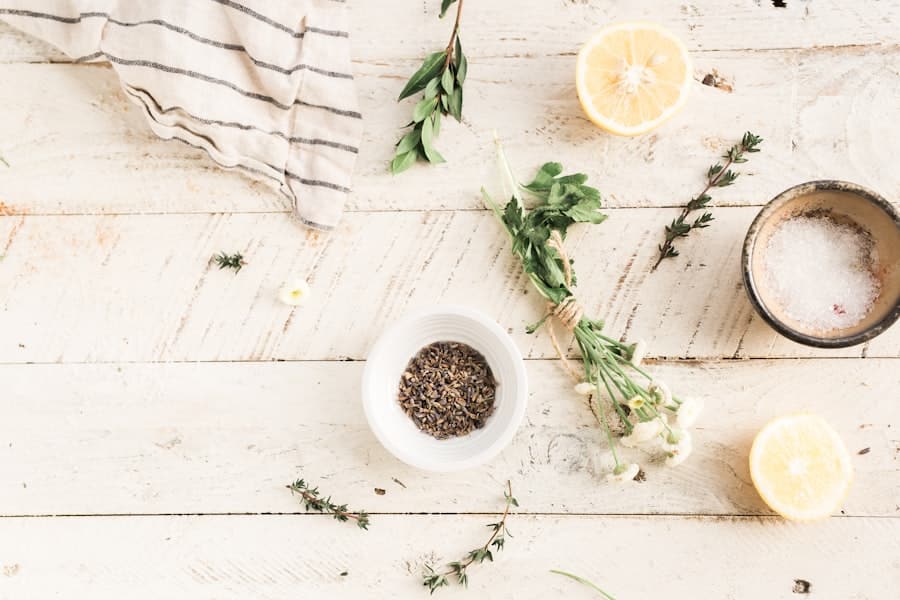
As the demand for clean beauty products continues to rise, many individuals are seeking natural alternatives to retinol that offer similar benefits without the potential side effects. You may find that these alternatives provide a gentler approach to skincare while still promoting healthy skin. Ingredients like plant-based oils, vitamins, and botanical extracts can deliver impressive results without the irritation often associated with synthetic retinoids.
One of the most appealing aspects of natural alternatives is their versatility. Many of these ingredients not only target signs of aging but also provide additional benefits such as hydration and nourishment. By exploring these options, you can create a skincare routine that aligns with your values while still addressing your skin concerns effectively.
Whether you’re looking for something to brighten your complexion or reduce the appearance of fine lines, there are plenty of natural ingredients worth considering.
The Power of Bakuchiol as a Retinol Alternative
Bakuchiol has emerged as one of the most talked-about natural alternatives to retinol in recent years. Derived from the seeds and leaves of the Psoralea corylifolia plant, bakuchiol offers similar anti-aging benefits without the harsh side effects commonly associated with retinol. You might be intrigued to learn that studies have shown bakuchiol can improve skin elasticity and reduce the appearance of fine lines and wrinkles, making it an excellent option for those seeking a gentler approach.
What sets bakuchiol apart is its ability to provide these benefits without causing irritation or increased sensitivity to sunlight. This makes it suitable for all skin types, including sensitive skin that may react poorly to traditional retinoids. Incorporating bakuchiol into your skincare routine can help you achieve a youthful glow while minimizing the risk of adverse reactions.
As you explore this ingredient, you may find that it fits seamlessly into your regimen, offering a natural solution for maintaining healthy skin.
Rosehip Oil: A Gentle Alternative to Retinol
Another natural alternative worth considering is rosehip oil. Extracted from the seeds of wild rose bushes, this oil is rich in essential fatty acids and antioxidants that can nourish and rejuvenate your skin. You may appreciate how rosehip oil contains vitamin A in its natural form, which can help promote cell turnover similar to retinol but with a much gentler touch.
This makes it an excellent choice for those who want to avoid the irritation often associated with stronger retinoids. In addition to its anti-aging properties, rosehip oil is known for its ability to hydrate and soothe the skin. If you struggle with dryness or irritation, incorporating this oil into your routine can provide much-needed moisture while also addressing signs of aging.
You might find that using rosehip oil not only improves your skin’s texture but also enhances its overall radiance. With its lightweight consistency and nourishing properties, rosehip oil can easily become a beloved staple in your skincare arsenal.
Incorporating Niacinamide into Your Skincare Routine
Niacinamide, also known as vitamin B3, is another powerful ingredient that can serve as an effective alternative to retinol. This versatile vitamin offers a range of benefits for your skin, including reducing inflammation, minimizing pores, and improving uneven skin tone. If you’re looking for an ingredient that can address multiple concerns without causing irritation, niacinamide may be just what you need.
One of the standout features of niacinamide is its ability to strengthen the skin’s barrier function. By enhancing your skin’s natural defenses, niacinamide helps retain moisture and protect against environmental stressors. This makes it an excellent choice for those with sensitive or compromised skin.
You might consider incorporating niacinamide into your routine by using serums or moisturizers that contain this ingredient, allowing you to enjoy its numerous benefits while keeping your skin healthy and balanced.
Harnessing the Antioxidant Properties of Green Tea Extract
Green tea extract is another natural ingredient that deserves a spot in your skincare routine as an alternative to retinol. Rich in antioxidants known as polyphenols, green tea extract helps combat free radicals that contribute to premature aging. By incorporating this powerful extract into your regimen, you can protect your skin from environmental damage while promoting a more youthful appearance.
In addition to its antioxidant properties, green tea extract has anti-inflammatory benefits that can soothe irritated skin and reduce redness. If you struggle with conditions like acne or rosacea, green tea extract may help calm your skin while providing anti-aging benefits. You might find that using products infused with green tea extract not only enhances your skin’s overall health but also gives you a refreshing boost in your daily routine.
Other Natural Ingredients to Consider for Retinol Alternatives
Beyond bakuchiol, rosehip oil, niacinamide, and green tea extract, there are several other natural ingredients worth exploring as alternatives to retinol. For instance, alpha-hydroxy acids (AHAs) derived from fruits can gently exfoliate the skin and promote cell turnover without the harshness of traditional retinoids. Ingredients like glycolic acid and lactic acid can help improve texture and tone while providing hydration.
Additionally, consider incorporating peptides into your skincare routine. These small chains of amino acids can stimulate collagen production and improve skin elasticity, making them an excellent complement to any anti-aging regimen. You might also explore products containing hyaluronic acid for added hydration or vitamin C for brightening effects.
By diversifying your skincare routine with these natural alternatives, you can create a comprehensive approach that addresses your unique concerns while minimizing potential side effects associated with traditional retinoids. As you experiment with different ingredients, pay attention to how your skin responds and adjust accordingly for optimal results. Embracing these alternatives allows you to maintain healthy, radiant skin without compromising on safety or comfort.
If you are interested in exploring more natural alternatives for skincare, you may also want to consider incorporating a multivitamin into your routine. According to healthnutritionsupplements.net, multivitamins can help support overall skin health and provide essential nutrients that may be lacking in your diet. By combining a natural alternative to retinol with a quality multivitamin, you can enhance your skincare routine from the inside out.
FAQs
What is retinol?
Retinol is a form of vitamin A that is commonly used in skincare products for its anti-aging and skin-renewing properties.
What are the benefits of retinol?
Retinol can help reduce the appearance of fine lines and wrinkles, improve skin texture, and promote collagen production.
What are the potential side effects of retinol?
Some people may experience skin irritation, redness, and peeling when using retinol. It can also make the skin more sensitive to the sun.
What are natural alternatives to retinol?
Natural alternatives to retinol include bakuchiol, rosehip oil, and marula oil, which are known for their anti-aging and skin-renewing properties.
Do natural alternatives to retinol have similar benefits?
Natural alternatives to retinol have been shown to have similar benefits in terms of reducing the appearance of fine lines and wrinkles, improving skin texture, and promoting collagen production.
Are there any potential side effects of natural alternatives to retinol?
Natural alternatives to retinol are generally well-tolerated, but some individuals may still experience skin irritation or allergic reactions. It’s always best to do a patch test before using any new skincare product.