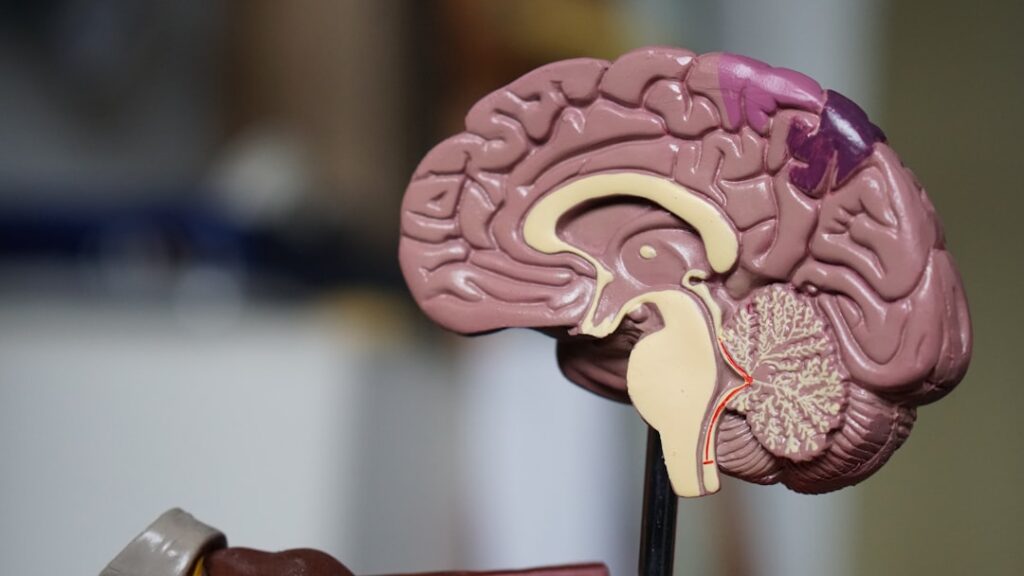
In the intricate tapestry of human emotions, hormones play a pivotal role in shaping your overall sense of well-being. These chemical messengers, produced by various glands in your body, influence not only your physical health but also your mental state. Understanding how hormones affect your happiness can empower you to make choices that enhance your emotional well-being.
As you delve into the world of hormones, you will discover how they interact with your brain and body, creating a complex interplay that can either uplift or dampen your spirits. The quest for happiness is universal, yet it often feels elusive. You may find yourself searching for external sources of joy—be it through relationships, achievements, or material possessions.
However, the key to lasting happiness may lie within you, in the delicate balance of hormones that govern your mood and emotions. By exploring the roles of specific hormones, you can gain insights into how to cultivate a more joyful existence. This article will guide you through the fascinating world of hormones that contribute to happiness, offering practical tips on how to harness their power for a more fulfilling life.
Key Takeaways
- Hormones play a crucial role in regulating our happiness and well-being.
- Dopamine is the hormone responsible for the feeling of reward and motivation.
- Serotonin is known as the mood regulator and plays a key role in maintaining emotional balance.
- Oxytocin, often referred to as the love hormone, is responsible for bonding and social connections.
- Endorphins act as natural pain relievers and can also induce feelings of pleasure and euphoria.
Dopamine: The Reward Hormone
Dopamine is often referred to as the “reward hormone” because of its crucial role in the brain’s reward system. When you engage in activities that bring you pleasure—such as eating your favorite food, achieving a goal, or spending time with loved ones—your brain releases dopamine, creating feelings of satisfaction and joy. This neurotransmitter not only motivates you to pursue rewarding experiences but also reinforces behaviors that lead to positive outcomes.
Understanding dopamine’s function can help you recognize the importance of setting and achieving personal goals as a pathway to happiness. However, it’s essential to maintain a healthy balance of dopamine in your life. While it can be tempting to chase after quick rewards—like indulging in junk food or excessive screen time—these behaviors can lead to a dopamine crash, leaving you feeling depleted and unfulfilled.
Instead, consider engaging in activities that promote sustainable dopamine release. This could include exercising regularly, pursuing hobbies that ignite your passion, or practicing mindfulness. By fostering a lifestyle that encourages healthy dopamine levels, you can create a more consistent sense of happiness and motivation.
Serotonin: The Mood Regulator
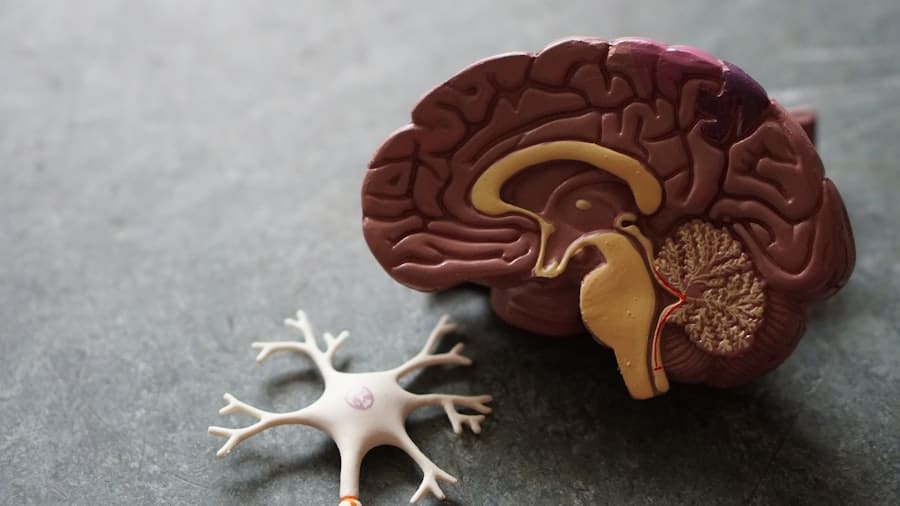
Serotonin is often dubbed the “mood regulator” due to its significant influence on emotional stability and overall mood. This neurotransmitter helps regulate feelings of happiness, contentment, and well-being. When serotonin levels are balanced, you are more likely to experience positive emotions and cope effectively with stressors.
Conversely, low serotonin levels can lead to feelings of sadness, anxiety, and even depression. Understanding the role of serotonin in your emotional landscape can empower you to take proactive steps toward enhancing your mood. To boost serotonin levels naturally, consider incorporating practices that promote its production.
Regular physical activity is one of the most effective ways to increase serotonin levels; exercise stimulates the release of this neurotransmitter while also improving your overall physical health. Additionally, exposure to sunlight can enhance serotonin production, so make it a point to spend time outdoors whenever possible. Mindfulness practices such as meditation and deep breathing can also help regulate serotonin levels by reducing stress and promoting relaxation.
By prioritizing these activities in your daily routine, you can cultivate a more positive mindset and enhance your overall happiness.
Oxytocin: The Love Hormone
Oxytocin is often referred to as the “love hormone” because of its association with bonding, trust, and social connections. This powerful hormone is released during moments of intimacy—whether it’s hugging a loved one, cuddling with a pet, or even engaging in acts of kindness. Oxytocin fosters feelings of connection and belonging, which are essential components of happiness.
When you nurture relationships and engage in social interactions, you not only boost your own oxytocin levels but also contribute to the well-being of those around you. To enhance oxytocin production in your life, focus on building meaningful connections with others. Simple acts like holding hands, sharing a meal, or offering a compliment can trigger oxytocin release and strengthen your bonds with friends and family.
Volunteering or participating in community activities can also foster a sense of belonging and connection, further enhancing your oxytocin levels. By prioritizing relationships and engaging in acts of kindness, you can create a supportive network that contributes to your overall happiness.
Endorphins: The Pain Reliever
Endorphins are often referred to as the body’s natural pain relievers and mood enhancers. These neurotransmitters are released in response to stress or pain and help alleviate discomfort while promoting feelings of euphoria. When you engage in physical activities such as exercise or laughter, your body releases endorphins, leading to what is commonly known as the “runner’s high.” This natural high not only helps reduce stress but also enhances your overall sense of well-being.
To boost endorphin levels in your life, consider incorporating regular exercise into your routine. Whether it’s jogging, dancing, or practicing yoga, physical activity is one of the most effective ways to stimulate endorphin release. Additionally, laughter is a powerful tool for increasing endorphins; watching a funny movie or spending time with friends who make you laugh can elevate your mood significantly.
Engaging in creative activities such as painting or playing music can also trigger endorphin release. By embracing these joyful experiences, you can cultivate a more positive outlook on life.
How to Boost Hormones for Happiness

Now that you’ve explored the various hormones that contribute to happiness, it’s essential to understand how you can actively boost these hormones in your daily life. A holistic approach that encompasses physical activity, nutrition, social connections, and mindfulness practices can significantly enhance your hormonal balance and overall well-being. Start by incorporating regular exercise into your routine; aim for at least 30 minutes of moderate activity most days of the week.
This not only boosts endorphins but also promotes dopamine and serotonin production. Nutrition plays a vital role in hormone regulation as well. Consuming a balanced diet rich in whole foods—such as fruits, vegetables, lean proteins, and healthy fats—can support optimal hormone function.
Foods high in omega-3 fatty acids, such as salmon and walnuts, are particularly beneficial for serotonin production. Additionally, consider incorporating foods rich in probiotics—like yogurt and fermented vegetables—into your diet; these can positively influence gut health and contribute to serotonin synthesis. Social connections are equally important for boosting happiness hormones.
Make it a priority to spend quality time with friends and family; engaging in meaningful conversations and shared experiences fosters oxytocin release and strengthens bonds. Don’t underestimate the power of small acts of kindness; volunteering or helping others can create a sense of fulfillment while enhancing your own happiness. Finally, mindfulness practices such as meditation or deep breathing exercises can help regulate stress hormones while promoting relaxation and emotional balance.
By integrating these strategies into your daily life, you can create an environment that nurtures hormonal health and fosters lasting happiness.
The Impact of Hormones on Mental Health
The intricate relationship between hormones and mental health cannot be overstated. Imbalances in hormone levels can lead to various mental health issues, including anxiety and depression. For instance, low serotonin levels are often linked to mood disorders; understanding this connection can empower you to seek appropriate interventions when needed.
Similarly, fluctuations in dopamine levels can affect motivation and pleasure-seeking behavior; recognizing these patterns allows you to take proactive steps toward improving your mental well-being. Moreover, hormonal changes throughout different life stages—such as puberty, pregnancy, and menopause—can significantly impact mental health. For example, many women experience mood swings during their menstrual cycle due to hormonal fluctuations; being aware of these changes can help you navigate emotional challenges more effectively.
Additionally, postpartum depression is often linked to hormonal shifts after childbirth; understanding this connection can encourage seeking support when needed. By prioritizing hormonal balance through lifestyle choices and self-care practices, you can mitigate the risk of mental health issues while enhancing your overall emotional resilience. Recognizing the signs of hormonal imbalances allows you to take proactive steps toward seeking professional help if necessary.
Harnessing the Power of Hormones for Happiness
In conclusion, understanding the role of hormones in shaping your happiness is a powerful tool for enhancing your emotional well-being. By recognizing how dopamine, serotonin, oxytocin, and endorphins influence your mood and behavior, you can take intentional steps toward cultivating a more joyful existence. Embracing practices that promote hormonal balance—such as regular exercise, healthy nutrition, meaningful social connections, and mindfulness—can significantly impact your overall happiness.
As you navigate life’s challenges and joys, remember that happiness is not solely dependent on external circumstances but is deeply rooted in the intricate workings of your body and mind. By harnessing the power of hormones for happiness, you empower yourself to create a fulfilling life filled with joy and connection. Embrace this knowledge as a guiding light on your journey toward lasting happiness; after all, the key to emotional well-being lies within you.
If you are interested in learning more about how nutrients play a role in overall well-being, you may want to check out this article on what nutrients do you need daily. Understanding the importance of proper nutrition can have a significant impact on your happiness and overall health. Additionally, taking supplements for skin, hair, and nail health can also contribute to your well-being. To learn more about the benefits of these supplements, you can read this article on supplements for skin, hair, and nail health. In simple terms, nutrition is the process of providing the body with the necessary nutrients it needs to function properly. To gain a better understanding of nutrition, you can read this article on what is nutrition in simple words. By incorporating these concepts into your daily routine, you can improve your overall happiness and well-being.
FAQs
What are the 4 hormones for happiness?
The 4 hormones for happiness are dopamine, oxytocin, serotonin, and endorphins. These hormones play a crucial role in regulating mood, emotions, and overall well-being.
What is dopamine and how does it contribute to happiness?
Dopamine is a neurotransmitter that is associated with pleasure, reward, and motivation. It is released in response to pleasurable activities such as eating, exercising, or achieving a goal, contributing to feelings of happiness and satisfaction.
How does oxytocin contribute to happiness?
Oxytocin, often referred to as the “love hormone,” is released during social bonding, intimacy, and acts of kindness. It promotes feelings of trust, connection, and overall happiness.
What role does serotonin play in happiness?
Serotonin is a neurotransmitter that helps regulate mood, sleep, and appetite. It is often referred to as the “feel-good” hormone and is associated with feelings of well-being, contentment, and happiness.
How do endorphins contribute to happiness?
Endorphins are the body’s natural painkillers and are released in response to stress or physical exertion. They can produce feelings of euphoria and act as natural mood lifters, contributing to a sense of happiness and well-being.