Vitamin B7, commonly known as biotin, is a water-soluble vitamin that plays a crucial role in various bodily functions. As part of the B-vitamin complex, biotin is essential for the metabolism of carbohydrates, fats, and proteins, making it a vital nutrient for overall health. You may have heard of biotin in the context of beauty products or dietary supplements, often touted for its benefits to hair, skin, and nails.
However, its importance extends far beyond aesthetics. Understanding biotin’s multifaceted role in your body can help you appreciate why it is often referred to as the “beauty vitamin.” Biotin is not only important for maintaining healthy hair and skin; it also supports metabolic processes that are fundamental to your energy levels and overall well-being. While deficiencies in biotin are rare due to its presence in a variety of foods, awareness of its benefits can encourage you to incorporate more biotin-rich foods into your diet.
In this article, we will explore the various roles of biotin in promoting health and beauty, as well as the best sources and potential risks associated with its supplementation.
Key Takeaways
- Vitamin B7, also known as biotin, is a water-soluble vitamin that plays a key role in maintaining healthy hair, skin, and nails, as well as supporting energy metabolism.
- Biotin is essential for maintaining healthy hair, as it helps in the production of keratin, a protein that makes up the structure of hair.
- Biotin is also important for nail strength, as it helps in the formation of keratin, which is a key component of nails.
- Biotin is beneficial for skin health, as it helps in the production of fatty acids that nourish the skin and maintain its health and appearance.
- Biotin is involved in energy metabolism, as it helps convert carbohydrates, fats, and proteins into energy for the body.
The Role of Biotin in Hair Health
When it comes to hair health, biotin is often hailed as a miracle worker. Many people seek out biotin supplements or products containing this vitamin in hopes of achieving luscious locks. Biotin plays a significant role in the production of keratin, a protein that forms the structural foundation of your hair.
By supporting keratin production, biotin helps strengthen hair strands and may even promote hair growth. If you’ve been struggling with thinning hair or breakage, increasing your biotin intake could be a beneficial step. Moreover, biotin is believed to improve the overall health of your scalp.
A healthy scalp is essential for hair growth, as it provides the necessary environment for hair follicles to thrive. Biotin’s role in maintaining the integrity of cell membranes can help keep your scalp hydrated and free from dryness or irritation. This means that not only can biotin contribute to stronger hair, but it can also create a healthier foundation for new growth.
If you’re looking to enhance your hair care routine, consider incorporating biotin-rich foods or supplements to support your efforts.
Biotin and Nail Strength
Just as biotin is linked to hair health, it also plays a pivotal role in maintaining strong and resilient nails. Brittle nails can be a common concern for many individuals, often leading to frustration when trying to achieve a polished look. Biotin has been shown to improve nail strength and reduce brittleness, making it an appealing option for those seeking to enhance their nail health.
By promoting keratin production, biotin helps fortify the structure of your nails, making them less prone to chipping and breaking. In addition to strengthening nails, biotin may also contribute to faster nail growth. If you find yourself frequently dealing with slow-growing nails or unsightly splits, increasing your biotin intake could provide the boost you need.
Many people report noticeable improvements in their nail health after incorporating biotin into their daily routine. Whether through dietary sources or supplements, adding biotin can be a simple yet effective way to achieve the strong, beautiful nails you desire.
Biotin and Skin Health
Biotin’s benefits extend beyond hair and nails; it also plays a significant role in maintaining healthy skin. This vitamin is essential for the production of fatty acids that nourish the skin and help maintain its elasticity and hydration. If you’ve been experiencing dry or flaky skin, it may be worth considering whether you’re getting enough biotin in your diet.
A deficiency in this vitamin can lead to skin issues such as rashes or dermatitis, highlighting its importance in your skincare regimen. Furthermore, biotin is known for its ability to support the skin’s natural barrier function. A healthy skin barrier helps protect against environmental stressors and retains moisture, which is crucial for maintaining a youthful appearance.
By ensuring that your body has adequate levels of biotin, you can help promote a radiant complexion and reduce the signs of aging. Incorporating biotin-rich foods into your meals or considering supplementation can be beneficial steps toward achieving healthier skin.
Biotin and Energy Metabolism
Beyond its beauty benefits, biotin plays an essential role in energy metabolism within your body. As a coenzyme, biotin assists in converting carbohydrates, fats, and proteins into energy that your body can utilize. This means that adequate levels of biotin are crucial for maintaining optimal energy levels throughout the day.
If you often feel fatigued or sluggish, it may be worth examining your biotin intake as part of a broader approach to boosting your energy. Additionally, biotin supports the synthesis of glucose through gluconeogenesis, which is particularly important during periods of fasting or low carbohydrate intake. By facilitating this process, biotin helps ensure that your body has a steady supply of energy available for various functions.
Understanding the role of biotin in energy metabolism can empower you to make informed dietary choices that support not only your physical appearance but also your overall vitality.
Dietary Sources of Biotin

Richest Sources of Biotin
Some of the richest sources of biotin include eggs, nuts (especially almonds and walnuts), seeds (such as sunflower seeds), fish (like salmon), dairy products (including cheese and yogurt), and certain vegetables (such as sweet potatoes and spinach).
Alternative Sources of Biotin
For those who follow specific dietary restrictions or have limited access to certain foods, it’s important to explore alternative sources of biotin. Whole grains and legumes are also good options that can help you meet your daily requirements. Additionally, some fruits like bananas and avocados contain small amounts of biotin.
Ensuring Adequate Biotin Intake
By diversifying your diet and including a range of these foods, you can ensure that you’re getting enough of this essential vitamin to support your health.
Biotin Supplements
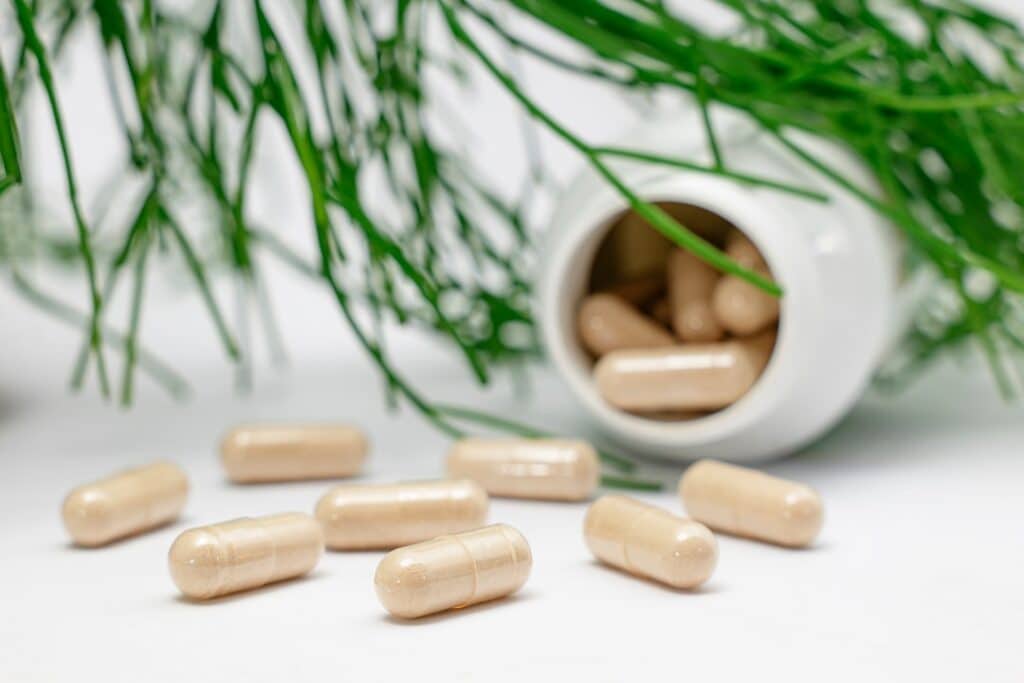
While obtaining nutrients from food is always preferable, some individuals may find it challenging to meet their biotin needs through diet alone. In such cases, biotin supplements can be an effective solution. Available in various forms such as capsules, tablets, and gummies, these supplements offer a convenient way to increase your intake of this vital vitamin.
If you’re considering adding a biotin supplement to your routine, it’s essential to choose a reputable brand and consult with a healthcare professional to determine the appropriate dosage for your needs. Biotin supplements are particularly popular among those seeking improvements in hair, skin, and nail health. Many users report positive results after consistent use over several weeks or months.
However, it’s important to remember that individual responses may vary; what works for one person may not necessarily yield the same results for another. Monitoring how your body responds to supplementation can help you make informed decisions about continuing or adjusting your intake.
Potential Risks and Side Effects of Biotin
While biotin is generally considered safe and well-tolerated by most individuals, it’s important to be aware of potential risks and side effects associated with excessive supplementation. High doses of biotin can lead to inaccurate lab test results, particularly those related to thyroid function or hormone levels. This could result in misdiagnosis or inappropriate treatment if healthcare providers are unaware that you are taking high doses of biotin.
Additionally, some individuals may experience mild side effects such as digestive upset or skin rashes when taking high doses of biotin supplements. If you notice any adverse reactions after starting supplementation, it’s advisable to consult with a healthcare professional for guidance. As with any supplement regimen, moderation is key; ensuring that you’re taking an appropriate dose based on your individual needs will help minimize potential risks while maximizing the benefits of this essential vitamin.
In conclusion, understanding the multifaceted role of biotin in promoting health and beauty can empower you to make informed choices about your diet and supplementation practices. From supporting hair growth and nail strength to enhancing skin health and energy metabolism, biotin is an essential nutrient that contributes significantly to overall well-being. By incorporating biotin-rich foods into your meals or considering supplementation when necessary, you can harness the benefits of this vital vitamin for a healthier lifestyle.
If you are considering incorporating Vitamin B7-biotin into your health routine for its benefits on hair health, nail strength, skin health, and energy metabolism, you may also want to read about the comparisons of popular supplement brands on healthnutritionsupplements.net. Additionally, understanding the natural beauty benefits of biotin for women can be found in the article Natural Beauty in a Woman. Before starting any new supplement regimen, it is important to consider various factors, which are outlined in the article Factors to Consider Before Taking Supplements.
FAQs
What is Vitamin B7 (Biotin)?
Vitamin B7, also known as biotin, is a water-soluble vitamin that is part of the B-vitamin complex. It plays a key role in maintaining healthy hair, nails, and skin, as well as supporting energy metabolism.
What are the benefits of Vitamin B7 (Biotin) for hair health?
Vitamin B7 (Biotin) is known to promote healthy hair growth and prevent hair breakage. It also helps in maintaining the overall health of the hair follicles.
How does Vitamin B7 (Biotin) support nail strength?
Vitamin B7 (Biotin) helps in improving the thickness and strength of nails, reducing brittleness and preventing breakage.
What role does Vitamin B7 (Biotin) play in skin health?
Vitamin B7 (Biotin) is essential for maintaining healthy skin, as it helps in the production of fatty acids that nourish the skin and prevent dryness and irritation.
How does Vitamin B7 (Biotin) support energy metabolism?
Vitamin B7 (Biotin) plays a crucial role in the metabolism of carbohydrates, fats, and proteins, converting them into energy that the body can use.
What are the dietary sources of Vitamin B7 (Biotin)?
Vitamin B7 (Biotin) can be found in foods such as eggs, nuts, seeds, fish, meat, and certain vegetables. It can also be taken as a supplement to ensure an adequate intake.
What are the symptoms of Vitamin B7 (Biotin) deficiency?
Symptoms of Vitamin B7 (Biotin) deficiency may include thinning hair, brittle nails, dry skin, fatigue, and neurological symptoms such as depression and tingling in the extremities.
What is the recommended daily intake of Vitamin B7 (Biotin)?
The recommended daily intake of Vitamin B7 (Biotin) for adults is 30-100 mcg per day. Pregnant and breastfeeding women may require higher amounts. Always consult a healthcare professional before starting any new supplement regimen.