When it comes to managing pain, many individuals find themselves seeking alternatives to traditional medications like Vicodin, which contains hydrocodone and acetaminophen. Understanding the various alternatives available is crucial for anyone looking to alleviate discomfort without the potential risks associated with opioid use. Vicodin, while effective for many, can lead to dependency and a host of side effects, prompting the need for safer options.
By exploring alternatives, you can empower yourself to make informed decisions about your pain management strategy. The landscape of pain relief is vast, encompassing a range of non-opioid medications, over-the-counter options, natural remedies, and lifestyle changes. Each alternative comes with its own set of benefits and considerations, allowing you to tailor your approach based on your specific needs and circumstances.
As you delve into these alternatives, it’s essential to weigh the effectiveness, safety, and potential side effects of each option. This understanding will not only help you manage your pain more effectively but also reduce the risk of developing a dependency on stronger medications.
Key Takeaways
- Vicodin alternatives include non-opioid pain relief options, over-the-counter alternatives, prescription medication alternatives, natural remedies, alternative therapies, and lifestyle changes.
- Non-opioid pain relief options such as NSAIDs, acetaminophen, and muscle relaxants can be effective alternatives to Vicodin for managing pain.
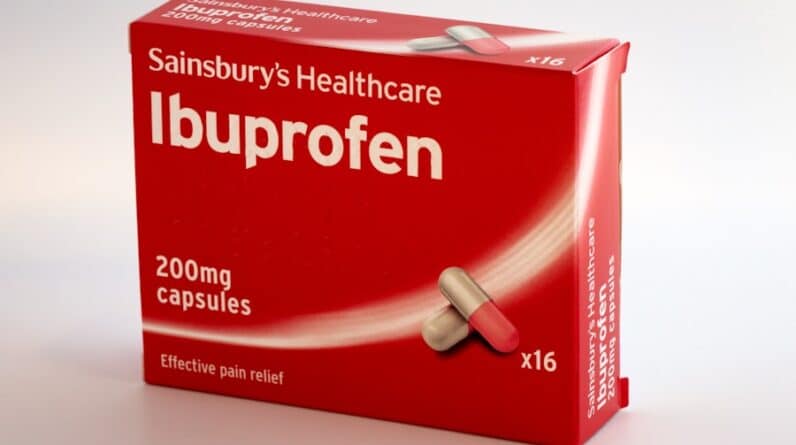
- Over-the-counter alternatives like ibuprofen, aspirin, and naproxen can provide relief for mild to moderate pain without a prescription.
- Prescription medication alternatives to Vicodin may include tramadol, codeine, or other opioid or non-opioid options, depending on the severity and type of pain.
- Natural remedies for pain relief, such as acupuncture, massage, and herbal supplements, can be considered as alternatives to Vicodin for managing pain.
Non-Opioid Pain Relief Options
Non-opioid pain relief options have gained significant attention in recent years as healthcare providers and patients alike seek safer alternatives to opioids. Medications such as nonsteroidal anti-inflammatory drugs (NSAIDs) and acetaminophen are commonly recommended for mild to moderate pain relief. These options can be effective in managing conditions like arthritis, headaches, and muscle pain without the addictive properties associated with opioids.
By choosing non-opioid medications, you can often achieve satisfactory pain relief while minimizing the risk of adverse effects. In addition to NSAIDs and acetaminophen, there are other non-opioid prescription medications available that may be suitable for your situation. Certain antidepressants and anticonvulsants have been found to be effective in treating chronic pain conditions, such as fibromyalgia or neuropathic pain.
These medications work by altering the way your brain processes pain signals, providing relief without the risks associated with opioid use. Consulting with your healthcare provider about these options can help you find a tailored approach that addresses your specific pain management needs.
Over-the-Counter Alternatives

Over-the-counter (OTC) alternatives offer a convenient and accessible way to manage pain without the need for a prescription. Common OTC medications include ibuprofen, naproxen, and acetaminophen, each with its own mechanism of action and potential benefits. For instance, ibuprofen and naproxen are NSAIDs that not only relieve pain but also reduce inflammation, making them particularly effective for conditions like arthritis or sports injuries.
On the other hand, acetaminophen is often recommended for headaches or general discomfort due to its analgesic properties. While OTC medications can be effective for many individuals, it’s important to use them responsibly. Always adhere to the recommended dosages and be aware of any potential interactions with other medications you may be taking.
Additionally, consider your personal health history; for example, individuals with certain medical conditions or those who are pregnant should consult their healthcare provider before using OTC pain relievers. By being informed about your options and using OTC medications wisely, you can effectively manage your pain while minimizing risks.
Prescription Medication Alternatives
If over-the-counter options are insufficient for your pain management needs, prescription medication alternatives may be necessary. Your healthcare provider can prescribe a variety of medications that are not classified as opioids but still offer effective pain relief. For instance, certain muscle relaxants can help alleviate pain associated with muscle spasms or tension.
Additionally, topical analgesics containing lidocaine or capsaicin can provide localized relief without systemic side effects. Another category of prescription alternatives includes corticosteroids, which can be particularly useful for inflammatory conditions such as arthritis or tendinitis. These medications work by reducing inflammation in the affected area, leading to decreased pain and improved function.
However, it’s essential to discuss the potential side effects and long-term implications of using corticosteroids with your healthcare provider. By exploring these prescription alternatives, you can find a comprehensive approach to managing your pain that aligns with your health goals.
Natural Remedies for Pain Relief
Natural remedies have gained popularity as individuals seek holistic approaches to pain management. Many people find relief through methods such as herbal supplements, acupuncture, or physical therapy. Herbal remedies like turmeric or ginger have anti-inflammatory properties that may help reduce pain associated with conditions like arthritis or muscle soreness.
Incorporating these natural options into your routine can provide a complementary approach to traditional pain relief methods. Acupuncture is another natural remedy that has been used for centuries to alleviate various types of pain. This ancient practice involves inserting thin needles into specific points on the body to stimulate energy flow and promote healing.
Many individuals report significant improvements in their pain levels after undergoing acupuncture treatments. Additionally, physical therapy can be an effective way to address underlying issues contributing to your pain while promoting strength and flexibility. By exploring these natural remedies, you can create a well-rounded approach to managing your discomfort.
Alternative Therapies for Pain Management

Chiropractic Care and Musculoskeletal Issues
Chiropractic adjustments can help realign the spine and improve overall function, potentially reducing discomfort associated with musculoskeletal issues.
Massage Therapy for Stress-Related Pain
Massage therapy can relieve tension in muscles and promote relaxation, making it an excellent option for stress-related pain.
Mindfulness Meditation for Chronic Pain Management
Mindfulness meditation has gained traction in recent years. By focusing on the present moment and cultivating awareness of your thoughts and feelings, you can develop coping strategies for managing chronic pain. Research has shown that mindfulness practices can lead to reduced perceptions of pain and improved emotional well-being.
Exploring these alternative therapies allows you to take an active role in your pain management journey while discovering new ways to enhance your overall quality of life.
Lifestyle Changes for Pain Management
Making lifestyle changes can significantly impact your ability to manage pain effectively. Regular physical activity is one of the most beneficial changes you can implement; exercise releases endorphins, which are natural pain relievers that also improve mood. Engaging in low-impact activities such as walking, swimming, or yoga can help strengthen muscles and improve flexibility without exacerbating existing pain conditions.
In addition to physical activity, paying attention to your diet can also play a crucial role in managing pain. A balanced diet rich in anti-inflammatory foods—such as fruits, vegetables, whole grains, and healthy fats—can help reduce inflammation in the body and alleviate discomfort. Staying hydrated is equally important; dehydration can lead to muscle cramps and increased sensitivity to pain.
By adopting these lifestyle changes, you can create a supportive environment for your body to heal and thrive.
Discussing Options with a Healthcare Provider
Navigating the world of pain management can be overwhelming, which is why discussing your options with a healthcare provider is essential. Your provider can help you assess your specific situation and recommend appropriate alternatives based on your medical history and current health status. Open communication is key; don’t hesitate to express any concerns or preferences you may have regarding treatment options.
Your healthcare provider may also refer you to specialists who can offer additional insights into alternative therapies or non-opioid medications tailored to your needs. Collaborating with a team of professionals ensures that you receive comprehensive care that addresses not only your physical symptoms but also your emotional well-being. By taking an active role in these discussions, you empower yourself to make informed decisions about your pain management journey while fostering a partnership with your healthcare team that prioritizes your health and comfort.
If you are looking for alternatives to Vicodin for pain relief, you may also be interested in exploring the importance of nutrition for overall health. this article for more information on how to optimize your nutrition for better health and pain management.
FAQs
What are some alternatives to Vicodin for pain relief?
Some alternatives to Vicodin for pain relief include nonsteroidal anti-inflammatory drugs (NSAIDs) such as ibuprofen or naproxen, acetaminophen, muscle relaxants, and certain antidepressants or anticonvulsants.
Are there non-prescription alternatives to Vicodin for pain relief?
Yes, there are non-prescription alternatives to Vicodin for pain relief, such as over-the-counter NSAIDs like ibuprofen or naproxen, as well as acetaminophen. These can be effective for mild to moderate pain.
What are some natural alternatives to Vicodin for pain relief?
Some natural alternatives to Vicodin for pain relief include acupuncture, massage therapy, physical therapy, and certain herbal supplements such as turmeric, ginger, or capsaicin.
What are the risks of using Vicodin for pain relief?
The risks of using Vicodin for pain relief include the potential for addiction, dependence, and overdose. Vicodin contains the opioid hydrocodone, which can be habit-forming and has a high potential for abuse.
Are there any non-opioid alternatives to Vicodin for pain relief?
Yes, there are non-opioid alternatives to Vicodin for pain relief, such as NSAIDs, acetaminophen, muscle relaxants, and certain antidepressants or anticonvulsants. These medications can provide effective pain relief without the risk of opioid addiction.