
Lowering blood pressure is crucial for maintaining overall health and well-being. High blood pressure, or hypertension, is often referred to as a silent killer because it typically presents no symptoms until significant damage has occurred. When your blood pressure remains elevated over time, it can lead to serious health complications, including heart disease, stroke, and kidney failure.
By taking proactive steps to lower your blood pressure, you can significantly reduce your risk of these life-threatening conditions and improve your quality of life. Moreover, managing your blood pressure can enhance your daily functioning. When your blood pressure is within a healthy range, you may experience increased energy levels, better sleep quality, and improved mental clarity.
This can lead to a more active lifestyle, allowing you to engage in activities you enjoy without the fatigue or discomfort that often accompanies hypertension. Therefore, understanding the importance of lowering blood pressure is not just about avoiding disease; it’s about enhancing your overall vitality and well-being.
Key Takeaways
- Lowering blood pressure is important for reducing the risk of heart disease, stroke, and other health complications.
- Losartan and its alternatives are commonly used to lower blood pressure and manage conditions like hypertension.
- Natural supplements such as garlic, hibiscus, and fish oil can also help in lowering blood pressure.
- Research supports the use of alternative supplements in lowering blood pressure, but it’s important to choose the right one for your specific needs.
- When considering alternative supplements, it’s important to be aware of potential risks and interactions, and to consult with a healthcare professional.
Understanding Losartan and its Alternatives
Losartan is a medication commonly prescribed to help manage high blood pressure. As an angiotensin II receptor blocker (ARB), it works by relaxing blood vessels, making it easier for your heart to pump blood. While Losartan can be effective for many individuals, it is essential to recognize that not everyone responds to medications in the same way.
Some may experience side effects or find that their blood pressure remains stubbornly high despite treatment. This has led many to explore alternative options for managing their hypertension. Alternatives to Losartan can range from other prescription medications to natural supplements and lifestyle changes.
Understanding these alternatives is vital for anyone looking to take control of their blood pressure management. For instance, other classes of antihypertensive medications, such as ACE inhibitors or calcium channel blockers, may be suitable for some individuals. Additionally, natural supplements like omega-3 fatty acids or magnesium have gained popularity as potential adjuncts or alternatives to traditional medications.
By exploring these options, you can find a tailored approach that aligns with your health needs and preferences.
Natural Supplements for Lowering Blood Pressure

Natural supplements have emerged as a popular choice for those seeking to lower their blood pressure without relying solely on pharmaceuticals. These supplements often contain ingredients that have been shown to support cardiovascular health and promote healthy blood flow. For example, omega-3 fatty acids, commonly found in fish oil, have been linked to reduced blood pressure levels and improved heart health.
Similarly, beetroot juice has gained attention for its ability to enhance nitric oxide production in the body, leading to vasodilation and lower blood pressure. Another noteworthy supplement is Coenzyme Q10 (CoQ10), which plays a crucial role in energy production within cells and has been associated with improved cardiovascular function. Research suggests that CoQ10 supplementation may help lower systolic and diastolic blood pressure in individuals with hypertension.
Additionally, garlic extract has been studied for its potential to reduce blood pressure through its ability to relax blood vessels and improve circulation. By incorporating these natural supplements into your routine, you may find a holistic approach to managing your blood pressure effectively.
Research and Evidence Supporting the Use of Alternative Supplements
The growing interest in alternative supplements for lowering blood pressure has led to an increase in research exploring their efficacy. Numerous studies have examined the effects of various natural compounds on hypertension, providing valuable insights into their potential benefits. For instance, a meta-analysis published in a reputable journal found that omega-3 fatty acids significantly reduced both systolic and diastolic blood pressure in individuals with hypertension.
This evidence supports the idea that dietary sources of omega-3s or supplementation can be beneficial for those looking to manage their blood pressure naturally. Similarly, research on beetroot juice has shown promising results in lowering blood pressure due to its high nitrate content. A study demonstrated that participants who consumed beetroot juice experienced significant reductions in both systolic and diastolic blood pressure compared to those who did not.
These findings highlight the potential of dietary interventions as effective strategies for managing hypertension. As more studies emerge, the body of evidence supporting the use of alternative supplements continues to grow, offering hope for individuals seeking non-pharmaceutical options.
Choosing the Right Alternative Supplement for You
When considering alternative supplements for lowering blood pressure, it’s essential to choose the right one for your individual needs. Factors such as your overall health status, existing medical conditions, and any medications you may be taking should all be taken into account. For instance, if you have a history of heart disease or are currently on medication for hypertension, certain supplements may interact with your treatment plan or exacerbate existing conditions.
To make an informed decision, it’s advisable to conduct thorough research on each supplement’s benefits and potential side effects. Reading scientific literature and consulting reputable sources can provide valuable insights into which supplements may be most effective for you. Additionally, consider starting with one supplement at a time to monitor its effects on your body before introducing others into your regimen.
This approach allows you to assess how each supplement impacts your blood pressure and overall well-being.
Potential Risks and Interactions of Alternative Supplements
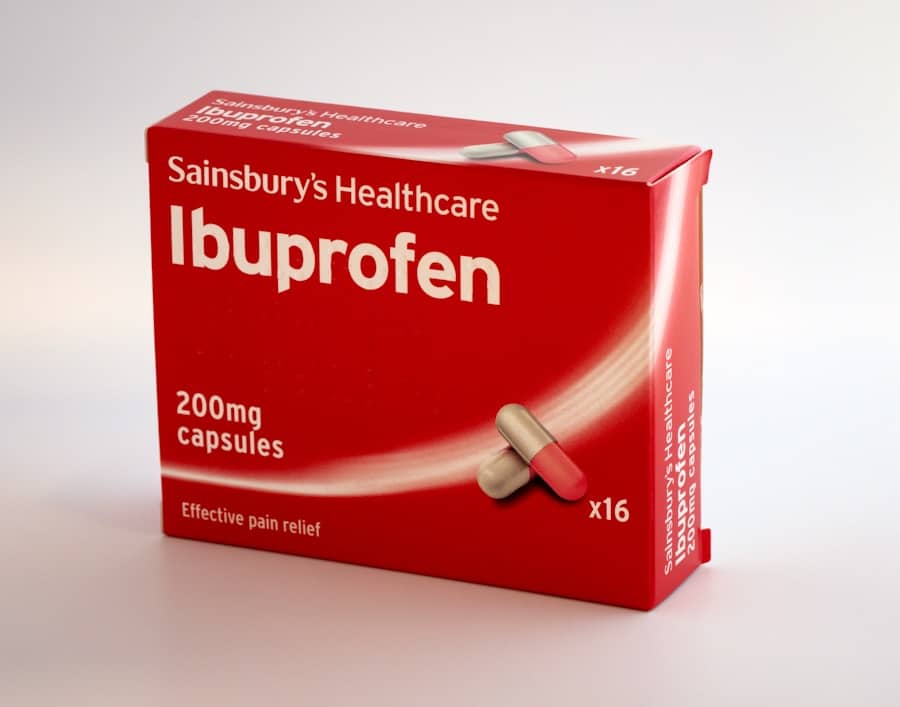
While natural supplements can offer numerous benefits for lowering blood pressure, it’s crucial to be aware of potential risks and interactions. Just because a product is labeled as “natural” does not mean it is free from side effects or interactions with other medications. For example, garlic supplements can thin the blood and may increase the risk of bleeding when taken alongside anticoagulant medications.
Similarly, high doses of potassium-rich supplements can pose risks for individuals with kidney issues or those taking certain diuretics. Before incorporating any alternative supplement into your routine, it’s essential to consult with a healthcare professional who can help you navigate these potential risks. They can provide guidance on appropriate dosages and monitor any interactions with your current medications or health conditions.
By taking these precautions, you can enjoy the benefits of alternative supplements while minimizing any adverse effects on your health.
Lifestyle Changes to Complement Alternative Supplements
In addition to considering alternative supplements for lowering blood pressure, making lifestyle changes can significantly enhance their effectiveness. Adopting a heart-healthy diet rich in fruits, vegetables, whole grains, and lean proteins can provide essential nutrients that support cardiovascular health. The DASH (Dietary Approaches to Stop Hypertension) diet is particularly beneficial for those looking to lower their blood pressure naturally.
Regular physical activity is another critical component of managing hypertension. Engaging in aerobic exercises such as walking, jogging, swimming, or cycling can help strengthen your heart and improve circulation. Aim for at least 150 minutes of moderate-intensity exercise each week to reap the benefits.
Additionally, managing stress through mindfulness practices like yoga or meditation can contribute positively to your overall well-being and help regulate blood pressure levels.
Consultation with a Healthcare Professional
Before embarking on any new supplement regimen or making significant lifestyle changes, consulting with a healthcare professional is paramount. They can provide personalized advice based on your unique health profile and help you navigate the complexities of managing high blood pressure effectively. A healthcare provider can also assist in monitoring your progress and adjusting your treatment plan as needed.
By working collaboratively with a healthcare professional, you can ensure that you are making informed decisions about your health. They can help you weigh the benefits and risks of alternative supplements while considering any underlying conditions or medications you may be taking. Ultimately, this partnership will empower you to take control of your blood pressure management journey while prioritizing your overall health and well-being.
If you are looking for more information on the importance of taking vitamins every day, check out this article here. It discusses the benefits of incorporating essential vitamins into your daily routine to maintain overall health and well-being. Additionally, if you are interested in learning about the different types of nutrition that can support heart health, you may want to read this article here. It provides valuable insights into the various supplements that can help improve heart function and lower blood pressure.
FAQs
What are the top alternative supplements to lower blood pressure?
The top alternative supplements to lower blood pressure include Coenzyme Q10, Garlic, Hawthorn, Fish Oil, and Magnesium.
How do Coenzyme Q10 supplements help lower blood pressure?
Coenzyme Q10 is a powerful antioxidant that helps improve heart health and lower blood pressure by improving the function of the endothelium, the lining of blood vessels.
What is the role of Garlic supplements in lowering blood pressure?
Garlic supplements contain allicin, a compound that has been shown to have blood pressure-lowering effects by helping to relax blood vessels and improve blood flow.
How does Hawthorn help in lowering blood pressure?
Hawthorn supplements have been used traditionally to support heart health and lower blood pressure by dilating blood vessels and improving blood circulation.
What is the benefit of Fish Oil supplements for lowering blood pressure?
Fish Oil supplements contain omega-3 fatty acids, which have been shown to help lower blood pressure by reducing inflammation and improving blood vessel function.
How does Magnesium help in lowering blood pressure?
Magnesium supplements can help lower blood pressure by relaxing blood vessels and improving the body’s ability to regulate blood pressure.