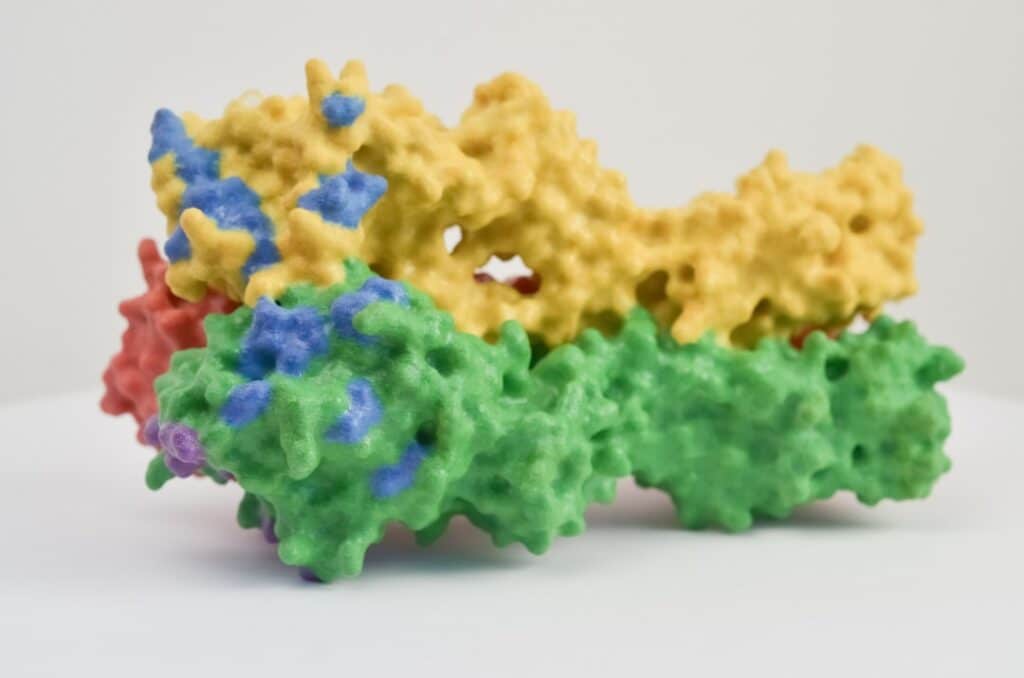
Glutathione is a powerful antioxidant that plays a crucial role in maintaining your overall health. It is a tripeptide composed of three amino acids: cysteine, glutamine, and glycine. This unique structure allows glutathione to perform a variety of functions within your body, including detoxification, immune system support, and cellular repair.
Often referred to as the “master antioxidant,” glutathione is found in every cell, particularly in the liver, where it helps neutralize harmful substances and protect against oxidative stress. Understanding glutathione’s significance goes beyond its chemical composition. It is essential for various biochemical processes, including the synthesis of proteins and the regulation of cellular functions.
As you age or face environmental stressors, your body’s natural production of glutathione may decline, making it vital to understand how to maintain optimal levels for your health.
Key Takeaways
- Glutathione is a powerful antioxidant produced in the body that plays a crucial role in protecting cells from damage and supporting immune function.
- Glutathione is important for detoxification, immune function, and maintaining cellular health, making it essential for overall well-being.
- Foods rich in sulfur, such as garlic, onions, and cruciferous vegetables, can help boost glutathione levels in the body.
- Glutathione works as an antioxidant by neutralizing free radicals and preventing oxidative stress, which can lead to various health issues.
- Health benefits of glutathione include improved immune function, detoxification, and protection against chronic diseases such as cancer and heart disease.
The Importance of Glutathione in the Body
Glutathione serves as a cornerstone for your body’s defense mechanisms. It plays a pivotal role in detoxifying harmful substances, such as heavy metals and pollutants, which can accumulate over time and lead to various health issues. By binding to these toxins, glutathione facilitates their excretion from your body, thereby reducing the risk of damage to your cells and organs.
This detoxification process is particularly important for your liver, which is responsible for filtering out toxins from your bloodstream. Moreover, glutathione is integral to your immune system’s functionality. It helps regulate immune responses and supports the proliferation of lymphocytes, which are crucial for fighting infections.
When your glutathione levels are adequate, your body can respond more effectively to pathogens and reduce inflammation. This means that maintaining healthy levels of glutathione can enhance your overall resilience against illnesses and infections.
Sources of Glutathione

While your body produces glutathione naturally, certain dietary sources can help boost its levels. Foods rich in sulfur-containing amino acids are particularly beneficial. For instance, cruciferous vegetables like broccoli, Brussels sprouts, and kale are excellent choices.
These vegetables not only provide the necessary building blocks for glutathione synthesis but also contain other antioxidants that work synergistically to enhance its effects. In addition to vegetables, fruits such as avocados and watermelon are also good sources of glutathione. These fruits contain compounds that can help increase your body’s production of this vital antioxidant.
Furthermore, incorporating foods high in vitamin C, such as citrus fruits and bell peppers, can support glutathione levels by recycling it back into its active form after it has neutralized free radicals.
How Glutathione Works as an Antioxidant
As an antioxidant, glutathione plays a critical role in neutralizing free radicals—unstable molecules that can cause oxidative damage to your cells. When free radicals accumulate in your body due to factors like pollution, stress, or poor diet, they can lead to cellular damage and contribute to various chronic diseases. Glutathione acts as a scavenger, seeking out these harmful molecules and neutralizing them before they can inflict damage.
The mechanism by which glutathione operates involves donating electrons to free radicals, effectively stabilizing them and preventing them from causing harm. This process not only protects your cells but also helps regenerate other antioxidants in your body, such as vitamins C and E. By maintaining a balance between antioxidants and free radicals, glutathione plays a vital role in promoting cellular health and longevity.
Health Benefits of Glutathione
The health benefits of glutathione are extensive and multifaceted. One of the most notable advantages is its role in supporting liver health. By aiding in detoxification processes, glutathione helps protect the liver from damage caused by toxins and excessive alcohol consumption.
This protective effect can be particularly beneficial for individuals who are exposed to environmental pollutants or who consume a diet high in processed foods. Additionally, glutathione has been linked to improved skin health. Its antioxidant properties help combat oxidative stress that can lead to premature aging and skin conditions such as acne or eczema.
Many skincare products now incorporate glutathione due to its ability to brighten the skin and reduce the appearance of dark spots. By enhancing skin elasticity and promoting a more youthful appearance, glutathione has become a sought-after ingredient in beauty regimens.
Factors that Deplete Glutathione Levels

Chronic Stress: A Significant Contributor
Prolonged stress can lead to an imbalance in the body’s antioxidant levels. When the body experiences chronic stress, it produces more free radicals than it can neutralize with available antioxidants like glutathione. This imbalance can lead to oxidative stress and further depletion of this vital compound.
Lifestyle Factors
Poor diet, lack of sleep, and exposure to environmental toxins such as heavy metals and pesticides can also contribute to the depletion of glutathione levels.
Medical Conditions
Certain medical conditions, such as diabetes, liver disease, and autoimmune disorders, can also lower the body’s glutathione levels. It is essential to recognize these factors and take proactive steps to maintain optimal levels of this crucial antioxidant.
Supplementing with Glutathione
For those looking to boost their glutathione levels beyond dietary sources, supplementation may be an option worth considering. Glutathione supplements come in various forms, including capsules, powders, and intravenous injections. However, it’s essential to approach supplementation with caution; not all forms of glutathione are equally effective when taken orally due to absorption issues in the digestive tract.
Liposomal glutathione is one form that has gained popularity because it is encapsulated in liposomes, which enhance its absorption into the bloodstream. Before starting any supplementation regimen, it’s advisable to consult with a healthcare professional who can guide you on the appropriate dosage and form based on your individual needs.
Tips for Boosting Glutathione Levels Naturally
If you’re looking to enhance your body’s natural production of glutathione without relying solely on supplements, there are several lifestyle changes you can implement. First and foremost, adopting a balanced diet rich in fruits and vegetables will provide the necessary nutrients for glutathione synthesis. Incorporating foods high in sulfur—such as garlic and onions—can also be beneficial.
Regular physical activity is another effective way to boost glutathione levels naturally. Exercise has been shown to enhance antioxidant defenses and promote the production of this vital compound. Additionally, prioritizing quality sleep is crucial; restorative sleep allows your body to repair itself and maintain optimal antioxidant levels.
Lastly, managing stress through mindfulness practices such as meditation or yoga can significantly impact your body’s ability to produce glutathione. By taking proactive steps to support your overall well-being, you can help ensure that your body’s levels of this essential antioxidant remain robust. In conclusion, understanding glutathione’s role in your body is vital for maintaining optimal health.
From its detoxification capabilities to its antioxidant properties, this powerful compound plays an integral part in protecting you from various health issues. By being mindful of factors that deplete its levels and taking steps to boost it naturally through diet and lifestyle changes, you can harness the full potential of glutathione for better health and well-being.
If you are interested in learning more about the importance of nutrition in maintaining overall health and well-being, check out this informative article on what is nutrition. Understanding the role of essential nutrients like Vitamin C, as discussed in this article on updates on regulatory changes and guidelines, can ensure that you are following the most current recommendations for optimal health.
FAQs
What is glutathione?
Glutathione is a powerful antioxidant that is naturally produced in the body. It is made up of three amino acids: cysteine, glutamine, and glycine.
What are the functions of glutathione in the body?
Glutathione plays a crucial role in protecting cells from oxidative stress and damage caused by free radicals. It also supports the immune system, detoxifies the body, and helps in the regeneration of other antioxidants such as vitamins C and E.
How is glutathione obtained?
Glutathione can be obtained through the consumption of certain foods such as fruits, vegetables, and meats. It can also be taken as a dietary supplement.
What are the benefits of glutathione?
Glutathione has been linked to various health benefits, including improved immune function, reduced inflammation, and protection against chronic diseases such as cancer, heart disease, and neurodegenerative disorders.
Are there any risks or side effects associated with glutathione supplementation?
Glutathione supplementation is generally considered safe and well-tolerated. However, some individuals may experience mild side effects such as stomach upset or allergic reactions. It is important to consult a healthcare professional before starting any new supplement regimen.