Cholesterol management is a crucial aspect of maintaining overall health, particularly when it comes to preventing cardiovascular diseases. You may have heard the term “cholesterol” frequently, but understanding its role in your body is essential. Cholesterol is a waxy substance found in your blood, and while your body needs it to build healthy cells, having high levels can increase your risk of heart disease.
There are two main types of cholesterol: low-density lipoprotein (LDL), often referred to as “bad” cholesterol, and high-density lipoprotein (HDL), known as “good” cholesterol. The balance between these two types is vital for your health. Managing cholesterol involves not only monitoring your levels but also making informed lifestyle choices.
You might be surprised to learn that genetics play a role in your cholesterol levels, but lifestyle factors such as diet, exercise, and stress management are equally significant. By understanding how these elements interact with your body, you can take proactive steps to maintain healthy cholesterol levels. Regular check-ups with your healthcare provider can help you keep track of your cholesterol and make necessary adjustments to your management plan.
Key Takeaways
- Cholesterol management involves understanding the different types of cholesterol and their impact on overall health.
- Lifestyle changes such as regular exercise and a healthy diet can help manage cholesterol levels effectively.
- Dietary alternatives to Zetia include incorporating more plant-based foods, omega-3 fatty acids, and soluble fiber into the diet.
- Regular physical activity, including aerobic and strength training exercises, can help lower cholesterol levels.
- Natural supplements such as garlic, red yeast rice, and plant sterols can be used to lower cholesterol levels as an alternative to prescription medication.
Lifestyle Changes for Managing Cholesterol
Lifestyle Changes Beyond Diet
In addition to dietary changes, you should also focus on other aspects of your lifestyle. Quitting smoking and limiting alcohol consumption can have a positive impact on your cholesterol levels and overall heart health. You may also want to prioritize stress management techniques such as meditation, yoga, or deep-breathing exercises.
A Holistic Approach to Managing Cholesterol
These practices not only help reduce stress but can also contribute to better cardiovascular health. By adopting a holistic approach to your lifestyle, you can create a supportive environment for managing your cholesterol effectively.
Dietary Alternatives to Zetia
If you’re looking for dietary alternatives to Zetia, a medication commonly prescribed to lower cholesterol, you have several options at your disposal. One of the most effective strategies is to focus on foods that naturally lower cholesterol levels. For example, incorporating foods rich in omega-3 fatty acids, such as fatty fish like salmon and mackerel, can help improve your lipid profile.
These healthy fats can reduce inflammation and promote heart health, making them an excellent addition to your diet. Another dietary alternative involves increasing your intake of soluble fiber. Foods like oats, beans, lentils, and apples are known for their ability to bind cholesterol in the digestive system and help eliminate it from the body.
You might also consider adding plant sterols and stanols to your diet, which are found in fortified foods like margarine and orange juice. These compounds can block the absorption of cholesterol in the intestines, further supporting your efforts to manage cholesterol levels without relying solely on medication.
Exercise and Physical Activity for Cholesterol Management
Regular physical activity is a cornerstone of effective cholesterol management. Engaging in exercise not only helps raise HDL cholesterol but also lowers LDL cholesterol and triglycerides. You may find that incorporating at least 150 minutes of moderate aerobic activity each week can significantly benefit your heart health.
Activities such as brisk walking, cycling, swimming, or dancing can be enjoyable ways to stay active while reaping the rewards of improved cholesterol levels. In addition to aerobic exercise, strength training is also beneficial for managing cholesterol. Building muscle mass can enhance your metabolism and improve insulin sensitivity, which plays a role in lipid metabolism.
You might consider incorporating resistance exercises into your routine at least twice a week. By combining both aerobic and strength training exercises, you create a well-rounded fitness regimen that supports not only cholesterol management but also overall well-being.
Natural Supplements for Lowering Cholesterol
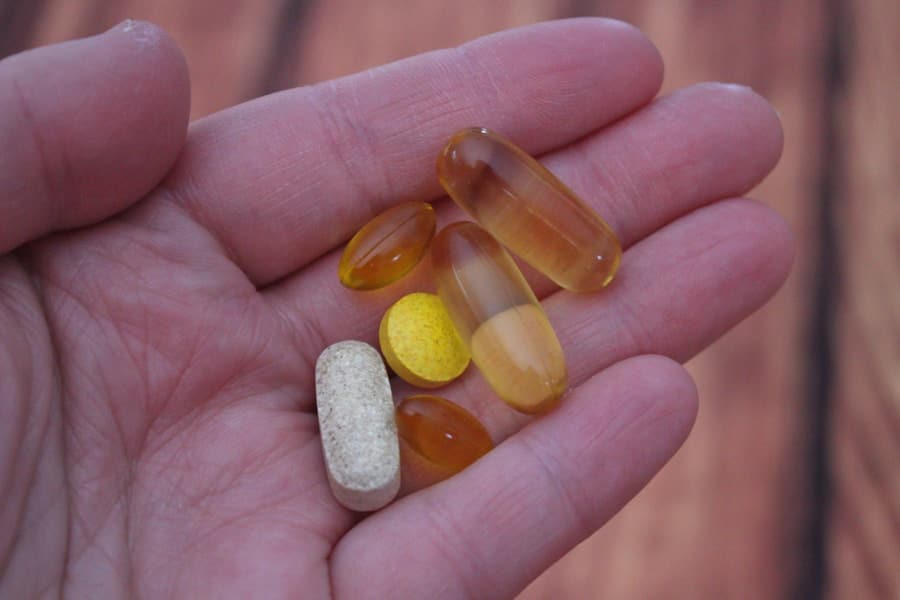
If you’re interested in exploring natural supplements for lowering cholesterol, there are several options that may complement your lifestyle changes effectively. One popular supplement is fish oil, which is rich in omega-3 fatty acids known for their heart-protective properties. You might consider taking fish oil capsules or incorporating more fatty fish into your diet to harness these benefits.
Another supplement worth considering is red yeast rice, which contains compounds that can help lower LDL cholesterol levels. However, it’s essential to consult with a healthcare professional before starting any new supplement regimen, as they can interact with medications or have side effects. Additionally, plant-based supplements like psyllium husk or flaxseed may also aid in lowering cholesterol by providing soluble fiber that helps eliminate excess cholesterol from the body.
Prescription Medication Alternatives to Zetia
Statins: A Well-Known Alternative
Statins are perhaps the most well-known class of cholesterol-lowering medications. They inhibit the liver’s ability to produce cholesterol. If you’re unable to tolerate Zetia or prefer not to use it, discussing statins with your healthcare provider may be worthwhile.
Bile Acid Sequestrants: Another Option
Bile acid sequestrants work by binding bile acids in the intestine, which prompts the liver to use more cholesterol to produce new bile acids, thereby lowering overall cholesterol levels.
PCSK9 Inhibitors: A Newer Class of Medications
PCSK9 inhibitors are a newer class of medications that target specific proteins involved in cholesterol regulation. They can be particularly effective for individuals with familial hypercholesterolemia or those who have not achieved their target levels with other treatments.
Managing Cholesterol with Combination Therapies
Managing cholesterol effectively often requires a multifaceted approach that may include combination therapies. You might find that using more than one medication or treatment strategy can yield better results than relying on a single method alone. For instance, combining statins with ezetimibe (the active ingredient in Zetia) can provide a more comprehensive approach to lowering LDL cholesterol levels.
Additionally, lifestyle changes should always be part of your management plan alongside any medications you may be taking. By integrating dietary modifications, regular exercise, and possibly natural supplements into your routine while using prescribed medications, you create a synergistic effect that enhances overall cholesterol management. This holistic approach not only targets cholesterol levels but also promotes better cardiovascular health overall.
Consultation with a Healthcare Professional for Cholesterol Management
Consulting with a healthcare professional is an essential step in managing your cholesterol effectively. Your doctor can provide personalized recommendations based on your individual health profile and risk factors. During your consultation, you should discuss any concerns you have regarding your cholesterol levels and explore potential treatment options together.
Regular follow-ups with your healthcare provider will allow you to monitor your progress and make necessary adjustments to your management plan as needed. They can help you interpret lab results and guide you through lifestyle changes or medication options that align with your goals. Remember that managing cholesterol is not a one-time effort; it requires ongoing attention and collaboration with healthcare professionals to ensure you stay on track toward achieving optimal heart health.
If you are looking for alternatives to Zetia for managing your cholesterol, you may also be interested in learning about the most important nutrient for the body. According to this article, understanding the role of essential nutrients in maintaining overall health can be crucial in managing cholesterol levels. Additionally, exploring different supplements for weight management, as discussed in this article, can also be beneficial in improving heart health and reducing cholesterol. Lastly, learning about examples of a balanced nutrition plan, as outlined in this article, can provide valuable insights into making dietary choices that support cholesterol management.
FAQs
What are the best alternatives to Zetia for cholesterol management?
Some of the best alternatives to Zetia for cholesterol management include statins such as atorvastatin (Lipitor), rosuvastatin (Crestor), and simvastatin (Zocor), as well as other non-statin medications like ezetimibe (Vytorin) and PCSK9 inhibitors.
Are there any natural alternatives to Zetia for managing cholesterol?
Yes, there are natural alternatives to Zetia for managing cholesterol, including dietary changes such as increasing intake of soluble fiber, omega-3 fatty acids, and plant sterols, as well as regular exercise and weight management.
What are the potential side effects of Zetia and its alternatives?
The potential side effects of Zetia and its alternatives may include muscle pain, liver problems, digestive issues, and potential interactions with other medications. It is important to consult with a healthcare professional before starting any new medication or supplement.
How do Zetia and its alternatives work to manage cholesterol?
Zetia and its alternatives work by different mechanisms to manage cholesterol. Zetia works by blocking the absorption of cholesterol in the intestines, while statins work by reducing the production of cholesterol in the liver. Other non-statin medications and natural alternatives may work through various mechanisms to lower cholesterol levels.