
You may not realize it, but your gut health plays a crucial role in your overall well-being. The gut is often referred to as the “second brain” because it houses a complex network of neurons and is responsible for a variety of functions beyond digestion. It influences your immune system, mental health, and even your skin condition.
When your gut is functioning optimally, you feel energized, focused, and healthy. However, when it becomes imbalanced, it can lead to a cascade of health issues that affect not just your digestive system but your entire body. Maintaining a healthy gut is essential for nutrient absorption and the elimination of toxins.
Your gut microbiome, which consists of trillions of bacteria, fungi, and other microorganisms, plays a pivotal role in this process. A balanced microbiome helps break down food, synthesize vitamins, and protect against harmful pathogens. When this balance is disrupted—due to poor diet, stress, or other factors—it can lead to dysbiosis, which is linked to various health problems such as obesity, diabetes, and autoimmune diseases.
Therefore, understanding the importance of gut health is the first step toward achieving a healthier lifestyle.
Key Takeaways
- Gut health is crucial for overall well-being and can impact various aspects of health, including digestion, immunity, and mental health.
- Inflammation plays a significant role in gut health and can lead to various digestive disorders and conditions.
- Common inflammatory gut conditions include irritable bowel syndrome (IBS), Crohn’s disease, and ulcerative colitis.
- Inflammation-fighting supplements such as turmeric, fish oil, and probiotics can help support gut health and reduce inflammation.
- Probiotics, omega-3 fatty acids, and curcumin are all beneficial for gut health and can help reduce inflammation and support a healthy digestive system.
The Role of Inflammation in Gut Health
Inflammation is a natural response of your immune system to injury or infection. However, when inflammation becomes chronic, it can wreak havoc on your gut health. You might not be aware that low-grade inflammation can occur without any obvious symptoms, yet it can still contribute to various gastrointestinal disorders.
Chronic inflammation in the gut can lead to conditions such as irritable bowel syndrome (IBS), inflammatory bowel disease (IBD), and even leaky gut syndrome. This persistent state of inflammation can disrupt the delicate balance of your gut microbiome, leading to further complications. Understanding the role of inflammation in gut health is essential for you to take proactive measures.
When your gut lining becomes inflamed, it can become permeable, allowing toxins and undigested food particles to enter your bloodstream. This condition, often referred to as “leaky gut,” can trigger systemic inflammation throughout your body. You may experience symptoms like fatigue, joint pain, and skin issues as a result.
By recognizing the signs of inflammation and its impact on your gut health, you can make informed choices about your diet and lifestyle that promote healing and balance.
Common Inflammatory Gut Conditions

As you delve deeper into the realm of gut health, you may encounter several common inflammatory conditions that can affect your digestive system. One of the most prevalent is irritable bowel syndrome (IBS), which affects millions of people worldwide. IBS is characterized by symptoms such as abdominal pain, bloating, and irregular bowel movements.
While the exact cause remains unclear, it is believed that inflammation plays a significant role in exacerbating these symptoms. If you find yourself experiencing these issues frequently, it may be worth consulting a healthcare professional for guidance. Another serious condition to be aware of is inflammatory bowel disease (IBD), which includes Crohn’s disease and ulcerative colitis.
These chronic conditions involve severe inflammation of the gastrointestinal tract and can lead to debilitating symptoms such as severe abdominal pain, diarrhea, and weight loss. Living with IBD can be challenging, as flare-ups can significantly impact your quality of life. Understanding these conditions and their inflammatory nature can empower you to seek appropriate treatment options and lifestyle changes that may alleviate symptoms and improve your gut health.
Inflammation-Fighting Supplements for Gut Health
| Supplement | Benefit | Recommended Dosage |
|---|---|---|
| Turmeric | Anti-inflammatory properties | 500-2,000 mg per day |
| Probiotics | Supports gut health and reduces inflammation | 1-10 billion CFUs per day |
| Omega-3 fatty acids | Reduces inflammation in the body | 1,000-2,000 mg per day |
| Quercetin | Antioxidant and anti-inflammatory effects | 500 mg twice a day |
In your quest for better gut health, you may want to explore various supplements that have been shown to combat inflammation effectively. One popular option is curcumin, a compound found in turmeric known for its potent anti-inflammatory properties. Curcumin has been studied extensively for its ability to reduce inflammation in the gut and promote healing in conditions like IBD.
Incorporating curcumin supplements into your routine may provide you with the relief you seek while supporting overall gut health. Another supplement worth considering is glutamine, an amino acid that plays a vital role in maintaining the integrity of your gut lining. Glutamine has been shown to reduce intestinal permeability and support the healing of the gut barrier.
If you struggle with digestive issues or have experienced leaky gut symptoms, glutamine may be a beneficial addition to your regimen. By taking proactive steps with inflammation-fighting supplements, you can create an environment conducive to healing and balance within your gut.
Probiotics and Gut Health
Probiotics are another essential component in the conversation about gut health. These beneficial bacteria help restore balance to your microbiome and combat inflammation effectively. You might be surprised to learn that not all probiotics are created equal; different strains offer various benefits.
For instance, Lactobacillus rhamnosus has been shown to reduce symptoms of IBS and improve overall gut function. By incorporating a diverse range of probiotic strains into your diet—whether through supplements or fermented foods—you can enhance your gut health significantly. In addition to their anti-inflammatory properties, probiotics also play a role in strengthening your immune system.
A healthy gut microbiome helps regulate immune responses and protects against harmful pathogens. If you’re looking for ways to boost your immune system while supporting gut health, consider adding probiotic-rich foods like yogurt, kefir, sauerkraut, or kimchi to your meals. By prioritizing probiotics in your diet, you’re taking an active step toward maintaining a balanced microbiome and reducing inflammation in your gut.
Omega-3 Fatty Acids and Gut Health
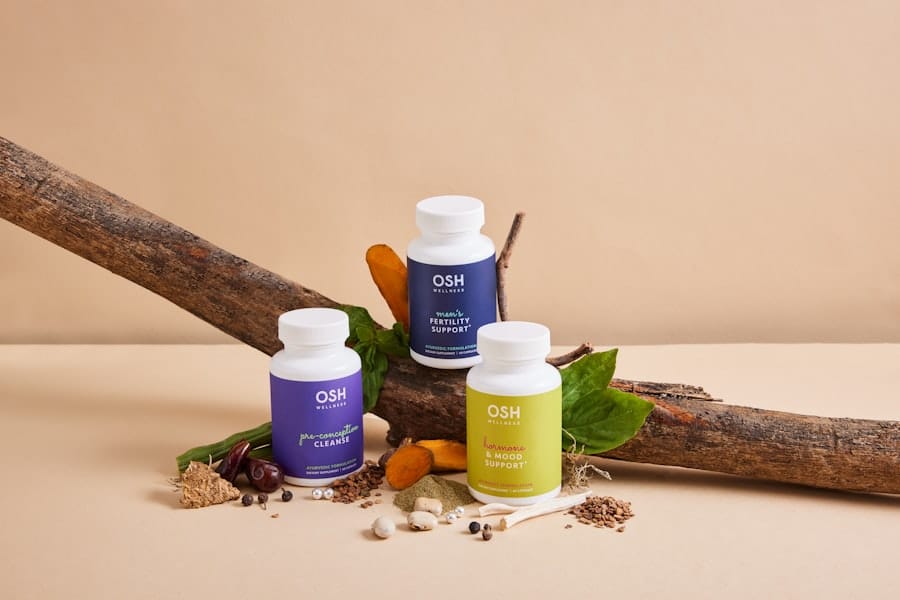
The Anti-Inflammatory Effects of Omega-3s
Research has demonstrated that omega-3 fatty acids can help reduce inflammation in conditions like IBD and promote overall gut health. In addition to their anti-inflammatory effects, omega-3 fatty acids also support the production of beneficial compounds called resolvins and protectins that help resolve inflammation in the body.
Supporting Overall Wellness
By ensuring you’re getting adequate omega-3s in your diet or through supplementation, you’re not only supporting your gut health but also promoting overall wellness.
Don’t Overlook the Importance of Omega-3s
As you explore ways to enhance your diet for better gut health, don’t overlook the importance of these essential fatty acids.
Curcumin and Gut Health
Curcumin deserves special mention when discussing inflammation-fighting supplements for gut health due to its remarkable properties. This vibrant yellow compound found in turmeric has been used for centuries in traditional medicine for its anti-inflammatory benefits. Research has shown that curcumin can inhibit inflammatory pathways in the body and reduce markers of inflammation in individuals with various gastrointestinal disorders.
If you’re looking for a natural way to support your gut health while combating inflammation, curcumin may be an excellent choice. Incorporating curcumin into your daily routine can be as simple as adding turmeric to your meals or taking a curcumin supplement with enhanced bioavailability for better absorption. Many people find that combining curcumin with black pepper extract (piperine) enhances its effectiveness even further.
As you explore this powerful supplement, remember that consistency is key; regular intake will yield the best results in supporting your gut health and reducing inflammation over time.
Supporting Gut Health with Inflammation-Fighting Supplements
In conclusion, supporting your gut health is essential for overall well-being, and understanding the role of inflammation is crucial in this journey. By recognizing common inflammatory conditions and their impact on your digestive system, you can take proactive steps toward healing and balance. Incorporating inflammation-fighting supplements such as curcumin, omega-3 fatty acids, glutamine, and probiotics into your daily routine can significantly enhance your gut health.
As you embark on this journey toward better gut health, remember that small changes can lead to significant improvements over time. Prioritize a balanced diet rich in whole foods while considering supplements that align with your specific needs. By taking these steps, you’re not only investing in your digestive health but also nurturing your overall well-being for years to come.
Embrace this opportunity to support your body from within and enjoy the benefits of a healthy gut!
If you are interested in learning more about how to understand supplement labels and ingredient lists, check out this informative article here. Understanding what goes into the health supplements you are taking can help you make more informed decisions about your gut health and overall well-being.
FAQs
What is gut inflammation?
Gut inflammation, also known as enteritis, is a condition characterized by inflammation of the lining of the digestive tract. It can be caused by various factors such as infections, autoimmune disorders, and inflammatory bowel diseases.
What are the symptoms of gut inflammation?
Symptoms of gut inflammation may include abdominal pain, bloating, diarrhea, constipation, fatigue, and weight loss. In severe cases, it can lead to complications such as malabsorption and nutrient deficiencies.
What are health supplements for gut inflammation?
Health supplements for gut inflammation are products that contain ingredients such as probiotics, prebiotics, digestive enzymes, and anti-inflammatory compounds. These supplements are designed to support gut health and reduce inflammation in the digestive tract.
How do health supplements help with gut inflammation?
Health supplements for gut inflammation can help by promoting a healthy balance of gut bacteria, reducing inflammation, and supporting the repair of the intestinal lining. They may also aid in improving digestion and nutrient absorption.
Are health supplements for gut inflammation safe to use?
When used as directed, health supplements for gut inflammation are generally safe for most people. However, it is important to consult with a healthcare professional before starting any new supplement, especially if you have underlying health conditions or are taking medications.
Can health supplements for gut inflammation replace medical treatment?
Health supplements for gut inflammation should not replace medical treatment for underlying conditions. They can be used as a complementary approach to support gut health, but it is important to follow the advice of a healthcare provider for the treatment of gut inflammation.