
When it comes to skincare, two ingredients have gained significant attention for their remarkable benefits: hyaluronic acid and retinol. You may have heard of these terms in beauty blogs or during your visits to the skincare aisle, but understanding what they are and how they work can help you make informed choices for your skin. Hyaluronic acid is a naturally occurring substance in your body, primarily found in connective tissues, skin, and cartilage.
Its primary function is to retain moisture, holding up to 1,000 times its weight in water. This makes it an exceptional hydrator, providing your skin with the plumpness and elasticity it needs to look youthful and vibrant. On the other hand, retinol is a derivative of vitamin A, known for its powerful anti-aging properties.
It works by promoting cell turnover, which means it helps your skin shed dead cells and encourages the growth of new ones. This process can lead to a smoother texture, reduced appearance of fine lines, and an overall brighter complexion. While both ingredients serve different purposes, they can complement each other beautifully when used correctly.
Understanding their unique properties will empower you to harness their benefits effectively in your skincare routine.
Key Takeaways
- Hyaluronic acid is a hydrating ingredient that helps to retain moisture in the skin, making it look plump and youthful.
- Retinol is a powerful ingredient that helps to improve skin texture, reduce fine lines and wrinkles, and promote collagen production.
- Hyaluronic acid benefits the skin by providing intense hydration, improving skin elasticity, and reducing the appearance of fine lines and wrinkles.
- Retinol benefits the skin by promoting cell turnover, reducing the appearance of dark spots, and improving overall skin tone and texture.
- To incorporate hyaluronic acid into your skincare routine, use a hyaluronic acid serum or moisturizer after cleansing and before applying other skincare products.
The Benefits of Hyaluronic Acid for the Skin
Hyaluronic acid is often hailed as a miracle worker for hydration, and for good reason. When you incorporate this ingredient into your skincare regimen, you may notice an immediate boost in moisture levels. This is particularly beneficial if you live in a dry climate or experience seasonal changes that can leave your skin feeling parched.
By attracting and retaining moisture, hyaluronic acid helps to create a barrier that locks in hydration, resulting in a plump and dewy complexion. You might find that your skin feels softer and more supple after just a few applications. In addition to its hydrating properties, hyaluronic acid also plays a role in promoting skin elasticity.
As you age, your skin naturally loses moisture and elasticity, leading to sagging and the formation of wrinkles. By using products containing hyaluronic acid, you can help counteract these effects. The ingredient not only hydrates but also supports the skin’s natural ability to retain moisture over time.
This dual action can lead to a more youthful appearance, making hyaluronic acid a staple in many anti-aging skincare routines.
The Benefits of Retinol for the Skin

Retinol is often referred to as the gold standard in anti-aging skincare. Its ability to stimulate collagen production makes it a powerful ally in the fight against fine lines and wrinkles. When you apply retinol to your skin, it penetrates deeply and encourages the production of new skin cells while simultaneously shedding old ones.
This process can lead to a more even skin tone and texture, reducing the appearance of dark spots and blemishes. You may find that regular use of retinol results in a brighter complexion that looks revitalized. Moreover, retinol is not just for those concerned about aging; it can also be beneficial for individuals dealing with acne or uneven skin texture.
By promoting cell turnover, retinol helps prevent clogged pores, which can lead to breakouts. If you’ve struggled with acne in the past, incorporating retinol into your routine may help you achieve clearer skin over time. However, it’s essential to start slowly with this potent ingredient to allow your skin to adjust and minimize potential irritation.
How to Incorporate Hyaluronic Acid into Your Skincare Routine
Integrating hyaluronic acid into your skincare routine is relatively straightforward and can be done at any stage of your regimen. You might consider using a serum that contains hyaluronic acid after cleansing your face but before applying moisturizer. This layering technique allows the serum to penetrate deeply into your skin while locking in moisture with your moisturizer on top.
You may also find that using hyaluronic acid in conjunction with other hydrating ingredients enhances its effectiveness. For optimal results, consider applying hyaluronic acid on slightly damp skin. This technique can help the ingredient attract even more moisture from the environment into your skin.
Additionally, you might want to explore different formulations—hyaluronic acid is available in serums, creams, and even sheet masks. Experimenting with various products can help you find what works best for your unique skin type and concerns.
How to Incorporate Retinol into Your Skincare Routine
When it comes to adding retinol to your skincare routine, patience is key. Since retinol can cause irritation if introduced too quickly, it’s advisable to start with a lower concentration and gradually increase usage as your skin builds tolerance. You might begin by applying retinol once or twice a week at night after cleansing and before moisturizing.
This approach allows your skin to adjust without overwhelming it. As you become more comfortable with retinol, you can increase the frequency of application. However, it’s essential to monitor how your skin responds; if you experience excessive dryness or irritation, consider scaling back or using a lower concentration.
Additionally, always remember to apply sunscreen during the day when using retinol at night, as it can make your skin more sensitive to UV rays.
Can You Use Hyaluronic Acid and Retinol Together?
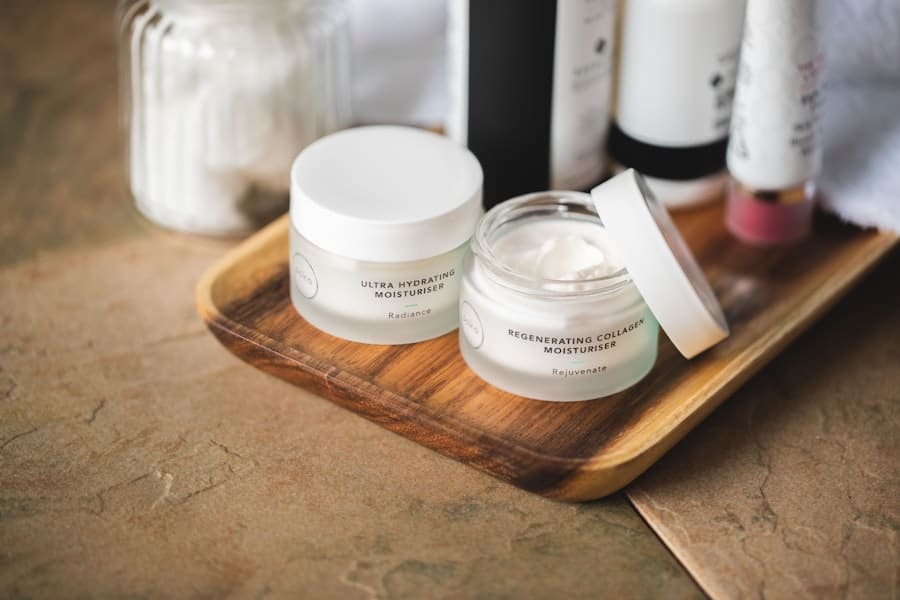
Powerhouse Ingredients for Impressive Results
The good news is that hyaluronic acid and retinol can be used together in your skincare routine! In fact, combining these two powerhouse ingredients can yield impressive results. While retinol works on promoting cell turnover and addressing signs of aging or acne, hyaluronic acid provides the hydration that can counteract any dryness or irritation caused by retinol use.
Comfortable Skincare with Hyaluronic Acid and Retinol
This synergy allows you to enjoy the benefits of both ingredients without compromising on comfort. To effectively use them together, consider applying hyaluronic acid first as a hydrating serum before layering on retinol. This method not only helps mitigate potential irritation but also ensures that your skin remains adequately hydrated throughout the process.
Achieving Smoother, More Radiant Skin
You may find that this combination leads to smoother, more radiant skin over time.
Choosing the Right Skincare Products for Your Needs
Selecting the right skincare products can feel overwhelming given the vast array of options available on the market today. When looking for products containing hyaluronic acid or retinol, it’s essential to consider your specific skin type and concerns. For instance, if you have dry or sensitive skin, opt for formulations that include soothing ingredients alongside hyaluronic acid to enhance hydration without causing irritation.
For retinol products, look for those with a concentration suitable for beginners if you’re new to this ingredient. Many brands offer gentle formulations designed for sensitive skin or those just starting their retinol journey. Reading reviews and seeking recommendations from trusted sources can also guide you toward products that have worked well for others with similar skin types.
Consulting with a Dermatologist for Personalized Skincare Advice
While general guidelines can be helpful, consulting with a dermatologist is one of the best ways to receive personalized skincare advice tailored specifically to your needs. A dermatologist can assess your skin type, concerns, and goals before recommending products or treatments that will work best for you. They can also provide insights into how to effectively incorporate hyaluronic acid and retinol into your routine based on your unique circumstances.
Additionally, if you’re considering combining multiple active ingredients or have specific concerns such as acne or hyperpigmentation, a dermatologist’s expertise can be invaluable in creating a comprehensive skincare plan that addresses all aspects of your skin health. Taking this step ensures that you’re not only using effective products but also doing so safely and effectively for optimal results. In conclusion, understanding the benefits of hyaluronic acid and retinol can significantly enhance your skincare routine.
By incorporating these powerful ingredients thoughtfully and consulting with professionals when needed, you can achieve healthier, more radiant skin tailored to your individual needs.
If you are looking to improve your skin care routine, you may be wondering whether to use hyaluronic acid or retinol. Both ingredients have their own benefits and can be used together for optimal results. However, it is important to understand how each ingredient works and how they can benefit your skin. For more information on the importance of nutrition for overall health and well-being, check out this article on what is nutrition in simple words. Understanding how nutrition plays a role in skin health can help you make informed decisions about your skincare routine. Additionally, incorporating supplements for immune support, such as zinc, can also help improve the overall health of your skin. Learn more about the benefits of zinc and how it can support your immune system by reading this article on zinc.
FAQs
What is Hyaluronic Acid?
Hyaluronic acid is a substance that is naturally present in the human body. It is found in high concentrations in the skin, connective tissues, and eyes. It has the ability to retain moisture, which makes it a popular ingredient in skincare products.
What is Retinol?
Retinol is a form of vitamin A that is commonly used in skincare products. It is known for its ability to improve the appearance of fine lines, wrinkles, and uneven skin tone. It can also help to increase collagen production and promote skin renewal.
What are the benefits of using Hyaluronic Acid?
Hyaluronic acid is known for its ability to hydrate and plump the skin, making it look and feel more supple and smooth. It can also help to reduce the appearance of fine lines and wrinkles, and improve the skin’s overall texture.
What are the benefits of using Retinol?
Retinol is known for its ability to improve the appearance of fine lines, wrinkles, and uneven skin tone. It can also help to increase collagen production and promote skin renewal, leading to smoother, more youthful-looking skin.
Can I use both Hyaluronic Acid and Retinol in my skincare routine?
Yes, you can use both hyaluronic acid and retinol in your skincare routine. Hyaluronic acid can be used to hydrate and plump the skin, while retinol can be used to address signs of aging. It is important to use them at different times of the day, as retinol can make the skin more sensitive to the sun.
Are there any potential side effects of using Hyaluronic Acid or Retinol?
Some people may experience mild irritation or redness when using hyaluronic acid or retinol, especially if they have sensitive skin. It is important to start with a lower concentration and gradually increase the usage to minimize the risk of irritation. It is also important to use sunscreen when using retinol, as it can make the skin more sensitive to the sun.